
Choosing steel, rose gold, or white gold on a Patek Philippe replica is not just a color decision. Because many Patek designs are slim, quiet, and visually exposed, small differences in weight, plating tone, brushing, polished bevels, bracelet movement, and clasp feel become easier to notice. A material that looks attractive in photos may feel less convincing on the wrist, especially when the model is expected to have precious-metal density.
This article helps separate appearance from practical wearability. Steel is usually the least stressful choice for Nautilus and Aquanaut-style replicas because it feels natural, avoids plating wear, and suits daily use. Rose gold can work well when the tone and plating consistency are carefully checked, but it draws more attention. White gold is visually subtle, yet the missing heft can matter on larger cases or full bracelets. The key judgment is matching the material to the model, use case, and level of scrutiny you are comfortable with.
Brand names are used here to identify genuine reference designs and comparison topics. Patek Philippe replicas are replica-market watches, not genuine Patek Philippe products, and they should not be represented, sold, or used as authentic brand-manufactured watches.
| Material Choice | Where It Makes Most Sense | Main Buyer Check |
|---|---|---|
| Steel | Nautilus and Aquanaut-style daily wear | Brush lines, bevel polish, bracelet articulation, clasp fit |
| Rose gold tone | Dressier use or strap-based models | Color consistency across case, crown, clasp, links, and edges |
| White gold look | Smaller or strap models where weight is less obvious | Whether the watch feels too light for the expected metal |
| Full bracelet models | Best judged by handling, not only photos | Balance, link movement, end-link fit, and wrist presence |
| Daily-wear choice | Lower-attention, lower-maintenance situations | Comfort, case thickness, clasp security, and finish durability |
| Gold-plated areas | Selective wear rather than rough daily use | High-contact wear at clasp, crown, lugs, bracelet, and caseback |
Quick Questions Before You Read
Q: Is steel usually the safest Patek replica material?
For many Nautilus and Aquanaut-style models, yes. It fits the design, avoids plating concerns, and feels more natural for daily wear.
Q: Why can white gold replicas be tricky?
The color may look restrained in photos, but the watch may not have the heavier wrist feel expected from genuine precious metal.
Q: What should I check first on a rose gold version?
Check tone consistency under neutral light, especially around the crown, clasp, bracelet edges, lugs, and polished surfaces.
Q: Can a better movement fix the material feel?
It can help thickness, balance, or noise, but it cannot replace the density and wrist presence of precious metal.
Editorial Perspective: At cleanvsfactory.com, this material comparison is treated as a model-specific buying question, not a simple ranking of steel versus gold tone. A factory label, seller description, or attractive QC photo can help narrow the shortlist, but it does not prove that the watch will feel right on the wrist. For Patek Philippe replicas, the more useful judgment is whether the case thickness, bracelet behavior, plating tone, movement fit, and expected daily use all support the same material story.
Evidence Boundary: This guide discusses imitation watches, not authorized Patek Philippe products. Official brand information can help a buyer understand the genuine model’s intended material, design family, and public positioning, but it cannot prove that a replica has the same metal, construction, finishing quality, water resistance, movement behavior, or serviceability. Where seller claims cannot be independently verified, the safer approach is to treat them as claims to inspect through photos, videos, handling feedback, and cautious expectations rather than as guaranteed specifications.
Why Material Choice Matters More on Patek Philippe Replicas
Material choice on Patek Philippe replicas is not just a color decision. It changes how the watch reads on the wrist, how the case finish catches light, how the bracelet or strap feels, and whether the overall impression fits the model. This matters more with Patek-style watches than with many louder sports replicas because the design language is quieter. A small mismatch in tone, weight, or surface behavior can stand out quickly.
The common beginner mistake is judging the watch from a front-facing dial photo. On a Patek replica, the dial may be acceptable, but the material feel can still make the watch less convincing in daily use. A thin Calatrava-style case, a polished complication case, or an integrated Nautilus bracelet does not hide much. The surfaces are broad, clean, and exposed. If the rose-gold tone looks too coppery, or a white-gold-style watch feels unexpectedly light, the issue is not buried deep in the watch. It is part of the first impression.
Replica watch material feel becomes especially important because most buyers are not only asking, “Does it look close?” They are asking, “Does it feel right?” That is a different standard. Wrist weight, case balance, bracelet articulation, and the way polished bevels contrast against brushed sections all affect whether the watch feels natural. Patek Philippe replicas are usually judged by restraint, not by aggressive size or visual drama, so the material has to support the character of the watch instead of fighting it.
Factory reputation can help a buyer find better starting points, but it should not replace model-level checking. A factory that performs well on a steel Nautilus-style case may not handle rose-gold plating, white-metal finishing, or a complication-style case with the same consistency. Version changes also matter: one batch may improve dial printing while another changes bracelet tolerances or plating shade. For this topic, the factory name is a useful signal, but the buyer still needs to verify the exact model, material route, movement, and QC evidence before treating the watch as a sensible choice.
Factory names in the replica watch market are buyer-facing references, not official Patek Philippe affiliations or proof of authorized production. They can help organize comparisons, but they cannot confirm the exact metal, plating formula, bracelet tolerance, movement configuration, or long-term durability of a specific example. A more traceable comparison starts with the factory name, then narrows the question to the reference, version, material finish, side profile, bracelet construction, and real watch evidence available before purchase.
Material claims also need to be read with restraint. A listing phrase such as “white gold version,” “rose gold case,” “904L steel,” or “same weight” should not be treated as proof unless the specific watch is supported by clear evidence. In replica buying, these phrases often describe the intended look rather than a verified metallurgical specification. The buyer’s practical job is to compare what can actually be seen or felt: color consistency, bracelet balance, surface finishing, clasp behavior, side profile, and whether the watch’s material story makes sense for the model.
CleanVSFactory’s buyer-facing approach is to make replica watch comparison clearer by connecting factory names, movement descriptions, visible QC details, version differences, and realistic ownership limits. That approach is educational rather than official: it does not certify watches, authenticate products, or create any affiliation with Patek Philippe or other luxury brands.
Material Is Part of the Watch’s Character
A Nautilus, Aquanaut, Calatrava, or complication-style Patek can change completely depending on the material route. A steel case on an integrated bracelet feels sportier and easier to wear casually. A rose-gold-tone case pushes the watch toward warmth, visibility, and dress presence. A white-gold-tone version may look understated in photos, but it carries a different expectation because precious-metal references are supposed to have more physical presence than standard steel.
This is why material choice should be treated as part of the model decision, not as an afterthought. A steel Nautilus-style replica benefits from the fact that stainless steel already matches the expected visual behavior of many sports Patek references. A rose-gold complication-style replica may look elegant if the tone is controlled, but the same color on a full bracelet can expose more plating area and more chances for inconsistency. The buyer is not only choosing a finish. The buyer is choosing a personality and a risk profile.
Case shape makes this even more obvious. Patek designs often use slim profiles, narrow polished edges, restrained bezels, and carefully shaped lugs. These details do not give a replica much room to hide rough material execution. On a chunkier replica watch, the eye may focus on size, bezel design, or dial layout. On a Patek-style watch, the eye often notices the quiet things first: whether the metal color looks natural, whether the bracelet drapes correctly, and whether the case finish feels refined rather than decorative.
The Real Test Is Wrist Believability
The most useful question is not simply which material looks best in a photo. The better question is which material looks believable for the model, feels consistent with the expected wrist weight, and fits the wearer’s normal setting. Steel is often easier because it attracts less attention and avoids the biggest plating concerns. Rose gold can be attractive but demands better color control. White gold can look discreet but creates a larger gap between visual appearance and expected precious-metal heft.
Social context also matters. A bright gold-tone Patek replica can feel very different at dinner than it does in a seller’s photo. A white-metal watch may seem safer because it looks closer to steel, but on certain references the expected material story becomes more specific. Buyers who ignore this often end up with a watch that photographs well but feels uncomfortable to wear naturally.
At Clean VS Factory, we usually separate appearance accuracy from ownership comfort. A replica can look strong in a close-up photo but still be the wrong choice if the material tone, weight, or wrist presence makes the buyer self-conscious. For Patek Philippe replicas, the safer decision is often the one that feels natural in ordinary use, not the one that looks most luxurious in a staged image.
Steel Patek Philippe Replicas Usually Feel the Most Natural
For most buyers, a steel Patek Philippe replica is the safest starting point because the material expectation is easier to reproduce. Stainless steel already belongs in the visual world of many Nautilus and Aquanaut references, and it does not require a gold tone to be imitated through plating. That gives steel a practical advantage before the factory even gets to the dial, movement, or clasp.
This does not mean every stainless steel replica watch is automatically convincing. Steel still needs clean brushing, crisp polished bevels, a properly shaped case, and a bracelet that does not feel cheap. But the baseline is more forgiving. A steel case can look like steel, weigh like steel, age like steel, and sit in a casual setting without asking the buyer to explain a precious-metal look.
The strongest argument for steel is not that it is the most exciting option. It is that it creates fewer contradictions. A steel Nautilus replica or Aquanaut replica can feel natural because the color, wrist weight, and daily-wear purpose all point in the same direction. With rose gold or white gold, the watch may become more visually dramatic, but the buyer also takes on more risk around plating tone, expected heft, and social visibility.
Why Steel Weight Feels More Convincing
Steel works because the replica does not have to fight a major density expectation. A well-made steel Patek-style replica can land close enough in case weight and bracelet feel that most buyers will not be distracted by the material. The watch may still differ from the genuine reference in finishing quality or movement architecture, but the basic wrist mass does not feel obviously wrong in the way some precious-metal-style replicas can.
This is especially helpful on integrated bracelet designs. A Nautilus-style bracelet has many links, broad brushed surfaces, and polished edges that constantly move under light. If that bracelet is steel, the buyer is mainly evaluating finishing, articulation, and case thickness. If that same visual package is rose-gold-tone or white-gold-tone, the buyer also has to worry about color consistency and whether the weight supports the material story.
Steel also tends to be easier to live with. It is less flashy, less sensitive to small color mismatches, and less likely to show a plating-related problem at a high-contact edge. For a buyer who wants a Patek replica for regular wear rather than occasional display, steel is usually the more rational material route.
Where Steel Still Needs Careful QC
The main steel QC trap is assuming “no plating risk” means “no material problem.” Poor steel finishing can ruin the watch quickly. On a Patek-style case, brushing direction should look controlled and even. Polished bevels should be clean without looking rounded or cloudy. The transition from brushed surface to polished edge should feel deliberate, not soft or over-buffed.

Bracelet feel is equally important. A steel Nautilus-style replica with a rough, stiff, or rattly bracelet will not feel refined, even if the case color is correct. The clasp should close with confidence, the links should articulate smoothly, and the end-link transition should not show awkward gaps or a loose first link. On these designs, bracelet quality is not a secondary detail. It is part of the case architecture.
Case thickness should also be checked carefully. A steel watch can have the right material but still feel wrong if the profile is too tall for the model. Patek designs often rely on thinness and proportion. Extra thickness makes the watch feel heavier in the wrong way, not more premium. It can also change how the case sits under a cuff and how the bracelet falls around the wrist.
Case and Bracelet Checks
Before approving a steel Patek Philippe replica, buyers should look beyond the dial and ask for clear views of the case side, bracelet, clasp, and lug or end-link area. The practical checks are simple: does the bracelet drape naturally, does the clasp close cleanly, do the brushed surfaces run in the right direction, and do the polished edges look sharp without being crude?
Also pay attention to how the watch appears in angled photos. A case that looks fine from the front may reveal excessive thickness from the side. A bracelet that looks clean when flat may show loose tolerances when curved. If the watch looks overly light, rattly, or rough in the seller’s handling video, steel will not save it. The material is forgiving, but it does not compensate for poor construction.
The clear judgment is this: steel is usually the most natural Patek replica material for daily wear, but only when the finishing and bracelet execution are strong enough to match the quiet design. A cheap-feeling steel bracelet on a Patek-style watch is more damaging than a minor dial printing flaw because the buyer feels it every time the watch is worn.
Rose Gold Patek Replicas: Color Accuracy Is the Main Risk
Rose gold Patek replicas can look impressive at first glance, but they carry one major risk: color accuracy. The problem is not simply whether the watch is “gold” enough. A convincing rose-gold tone should look warm, balanced, and controlled. When the plating turns too orange, too pink, or too copper-like, the watch stops looking refined and starts looking artificial.
This matters because rose gold changes the entire personality of a Patek-style watch. It draws more attention than steel, reflects more warmth from polished surfaces, and makes the case and bracelet color part of the main visual event. On a restrained design, that color has nowhere to hide. A small tone error on a crown, clasp, bezel, or bracelet link can be easier to notice than many buyers expect.
Rose gold plating also creates more surfaces to compare. On a full bracelet model, the bezel, mid-case, bracelet links, clasp, crown, and sometimes pushers all need to look like they belong together. If one part appears more coppery and another looks pale or pink, the whole watch feels less coherent. This is why rose gold is often more difficult to judge from a single beauty shot than steel.
The Difference Between Warm and Artificial Rose Gold
A good rose-gold-tone replica should have warmth without becoming loud. The color should sit between yellow gold and copper, with a soft reddish warmth rather than a harsh orange cast. If the tone looks like polished copper pipe, costume jewelry, or a bright pink fashion accessory, it will not suit the restrained character of most Patek Philippe replicas.
The risk becomes stronger on polished cases because polished surfaces intensify color. A rose-gold polished bezel may look richer than a brushed bracelet link even when the plating is technically the same. That is normal to a point. The warning sign is when separate components look like different metals rather than different finishes of the same metal tone.
Buyers should be especially cautious with rose-gold-tone integrated bracelet models. More bracelet surface means more plating exposure, more friction points, and more opportunity for shade variation between links. A rose-gold Calatrava-style strap model may be easier to accept because the gold-tone surface area is concentrated in the case. A full rose-gold bracelet demands a higher standard.
Why Lighting Can Mislead Rose-Gold Buyers
Rose gold is one of the easiest materials to misjudge from photos. Warm indoor lighting can make a weak tone look richer. Heavy editing can smooth out uneven color. Overexposure can hide coppery edges. A seller’s glamour shot may make the watch look soft and luxurious, while neutral daylight reveals a sharper orange or pink cast.
This is why buyers should not approve a rose gold Patek replica from one front-facing photo. The color needs to be checked across angles, especially where polished and brushed surfaces meet. The crown, clasp, bracelet edges, and caseback area often reveal whether the plating is consistent or whether different parts came from slightly different finishing batches.
The non-obvious issue is that the “best-looking” rose gold photo may be the least useful photo. A dramatic warm-light image can flatter the plating but hide the real tone. Neutral-light QC photos are less glamorous, but they tell the buyer much more about whether the watch will look natural in daily wear.
QC Photos to Request
For a rose gold Patek replica, request neutral-light photos from the front, side, clasp, crown, bracelet, and caseback. The goal is not to make the watch look beautiful. The goal is to compare tone consistency across components. The crown should not look noticeably yellower than the case. The clasp should not look pinker than the bracelet. The caseback edge should not show a different underlying shade.
Ask for at least one angled photo where polished and brushed surfaces appear together. This helps separate normal reflection differences from real color mismatch. If possible, a short handling video under steady lighting can be more useful than several edited stills because it shows how the color changes as the watch moves.
QC photos can reduce uncertainty, but they do not guarantee perfection or confirm every seller claim. Buyers should still review visible details, ask whether the photos show the exact watch being supplied, and confirm seller policies before ordering.
The practical judgment is simple: choose rose gold only if you are comfortable with color scrutiny. A good rose-gold-tone Patek replica can look warm and elegant, especially on the right model, but it is less forgiving than steel. If the tone bothers you in QC photos, it will probably bother you more on the wrist.
When possible, buyers should review real watch photos, neutral-light tone checks, clasp finishing, crown color, caseback edges, bracelet surfaces, side thickness, and handling feedback before making a decision. Stock images and factory labels alone are not enough to judge rose-gold consistency, plating exposure, or whether the exact watch shown supports the seller’s description.
White Gold Patek Replicas Have the Biggest Weight Gap
A white gold Patek replica is often easier to photograph well than a rose gold one. The color is quieter, the case does not have to hit a difficult pink-gold tone, and in many lighting conditions it simply reads as a clean white-metal watch. The problem is not the first look. The problem is what happens once the watch is on the wrist.
Genuine white gold carries a different physical expectation from stainless steel. It is not just “steel-colored gold.” On a real precious-metal Patek Philippe, especially a bracelet model or a larger complicated reference, the extra density contributes to the way the watch sits, moves, and feels. Most white-gold-style replicas are built to create a white-metal impression rather than to reproduce precious-metal density, so they may look close enough in casual photos but still feel too light for the material they are trying to represent.
This is why white gold is a more subtle risk than rose gold. Rose gold fails quickly when the tone is too orange, too pink, or uneven across components. White gold can pass the visual restraint test more easily, but it creates a tactile mismatch. A buyer may think, “It looks like steel, so it should be safer,” when the better question is, “Is this model supposed to feel like steel, or is precious-metal heft part of the watch’s character?”
Why White Gold Can Look Right but Feel Wrong
The strongest white gold replica cases usually succeed because they avoid drama. The color should not look icy, chrome-like, or artificially bright. A restrained white metal finish can make a Calatrava-style dress replica, annual calendar, or understated complication look more believable than a loud rose-gold-tone version. Visually, that helps.
The weakness is wrist presence. If the genuine reference is known as a white gold watch, the owner expectation changes. A full bracelet or substantial case should have a denser, more planted feel. When the replica has normal steel-like weight, the watch can feel lighter than the design suggests. This does not always matter to a casual wearer, but it matters to buyers who are sensitive to material feel or who have handled real precious-metal watches before.
The non-obvious issue is that white gold replicas can be more believable to the eye than to the hand. In photos, the understated case may look cleaner than rose gold. In person, the missing mass can make the watch feel less expensive than it appears. That gap is more noticeable on bracelet-heavy Patek designs than on slim strap models because the bracelet multiplies the weight expectation.
When the Weight Gap Matters Less
The white gold replica weight problem is not equally serious on every model. It matters most when the watch has a large case, a full metal bracelet, or a reference identity closely tied to precious metal. In those situations, the buyer expects not only a white-metal look but a certain density on the wrist.
It matters less on strap-based models. A leather strap, rubber strap, or slimmer dress configuration reduces how much the case material controls the total wearing experience. A white-gold-tone Calatrava-style replica on leather, for example, can feel reasonable because the genuine watch itself is not defined by bracelet mass. The case still should not feel hollow or toy-like, but the missing precious-metal heft is less obvious than it would be on a bracelet Nautilus-style watch.
Smaller cases are also more forgiving. When there is less metal overall, the difference between expected precious-metal weight and actual steel-like weight becomes less dramatic. For buyers who mainly want the discreet look of a white-metal Patek replica and do not expect genuine-level material feel, a smaller strap model is usually the safer route than a large white-gold-style bracelet watch.
Movement Route to Verify
Movement choice can affect balance, thickness, and how the watch feels in motion, but it does not solve the white gold weight gap by itself. A thicker movement or heavier case construction may make a replica feel more substantial, yet that is not the same as reproducing precious metal density. Buyers should be careful with claims that a certain movement route makes a white gold replica “feel like real gold.” It may improve case proportions or reduce rotor noise, but it is not a material replacement.
Movement claims should also be separated from movement proof. A seller may describe a watch with a clone-style movement, decorated movement, Miyota-based movement, or other Asian automatic route, but that description should not be treated as verified unless the buyer receives clear movement photos and the claim matches the exact watch being purchased. Even then, movement architecture mainly affects thickness, hand position, winding feel, date behavior, and service practicality; it does not verify case metal, plating quality, water resistance, or long-term durability.
Movement trust in the replica market depends on understanding what the movement claim actually describes: architecture, decoration, layout, reliability expectation, or simply a market name used by sellers. For Patek-style replicas, this matters because a movement route can explain case thickness, subdial placement, rotor sound, calendar behavior, or hand stack, but it should not be read as an official Patek Philippe caliber claim unless supported by clear, verifiable evidence. A buyer comparing two versions should ask whether the movement description matches the exact watch, not only whether the label sounds impressive.
The practical check is simple: look at whether the movement supports the correct case thickness and whether the case feels balanced rather than top-heavy. A visually clean white gold Patek replica with awkward thickness, noisy winding, or poor case balance will not become convincing just because the color is subtle. For this material choice, the safest judgment is to separate three things: color, wrist mass, and movement fit. They are related, but they are not the same problem.
Movement references in this article describe replica-market movement type, layout, decoration, or configuration, not an official Patek Philippe caliber unless supported by verifiable evidence. Buyers should judge movement claims by the exact version, case thickness, hand alignment, winding behavior, service risk, and clear movement information rather than assuming that a movement label confirms material quality or genuine construction.
Model Choice Changes Which Material Makes Sense
Patek replica model choice should come before material preference. The same finish that looks restrained on one model can feel forced on another. Steel, rose gold, and white gold are not universal upgrades or downgrades; they interact with the design language of the watch. A Nautilus-style sports replica, an Aquanaut-style rubber-strap watch, and a Calatrava-style dress replica do not ask the material to do the same job.
This is where many buyers misjudge Patek Philippe replica materials. They start with the color they like, then try to make the model fit around it. The better route is to ask what the original design is supposed to communicate. Is it a daily sports watch? A slim dress watch? A precious-metal complication? A full-bracelet statement piece? Material believability changes with that context.
In super clone watch comparisons, the safer judgment is usually version-specific. A factory may be strong on one Patek-style reference and weaker on another because case shape, dial printing, bracelet construction, bezel finishing, movement layout, and material execution are not equally difficult across every model. A steel Nautilus-style version, a rose-gold annual calendar, and a white-metal Calatrava-style watch should be judged by their own reference logic rather than by a universal factory ranking.
Sports Models Usually Favor Steel
Steel usually makes the most sense on Nautilus and many Aquanaut-style replicas because the material matches the expected use of the watch. These designs are casual, integrated, and worn in settings where stainless steel feels natural. A steel case and bracelet also avoid plating concerns, reduce color scrutiny, and generally make the watch easier to live with every day.
For a Nautilus replica, bracelet behavior often matters more than chasing a precious-metal look. If the bracelet articulates well, the clasp feels secure, the brushing is even, and the case does not feel overly thick, steel can deliver a more convincing daily-wear impression than a gold-tone version with more visual drama but weaker material logic. This is why steel is usually the safer reference choice for buyers who want the watch to feel natural rather than theatrical.
Aquanaut-style replicas are slightly different because the rubber strap reduces bracelet weight issues, but steel still tends to align well with the model’s casual personality. A gold-tone Aquanaut can look impressive in photos, yet it becomes more attention-heavy and less forgiving if the case color, dial tone, and strap integration are not well matched.
Dress and Complication Models Can Support Gold Tones
Rose gold and white gold make more sense on dress and complication-style Patek replicas when the model already supports a precious-metal personality. A Calatrava-style dress watch, annual calendar, or simple complication on leather can absorb a gold-tone case more naturally than a full sports bracelet can. The strap reduces the weight mismatch, and the smaller case surface gives the plating less room to expose inconsistency.
Rose gold works best when the buyer wants warmth and understands the color risk. The tone must be controlled, not coppery or jewelry-like. White gold works best when the buyer wants a discreet precious-metal look and accepts that the tactile feel may be closer to steel than genuine white gold. In both cases, case thickness matters. A dress replica in gold tone loses credibility quickly if it becomes too thick, too shiny, or too heavy-looking for the design.
Complication-style replicas need extra caution because the material is only one part of the believability equation. Subdial spacing, date windows, moonphase execution, case thickness, and movement layout can all affect the final impression. A good gold tone cannot rescue a model if the case architecture already looks wrong.
Full Precious-Metal Bracelets Require More Caution
Full precious-metal bracelet replicas are where buyer expectations rise fastest. A rose-gold-tone bracelet creates many surfaces where color mismatch, plating brightness, and wear points can appear. A white-gold-style bracelet creates a different issue: it may look understated but still lack the mass people associate with precious metal. Both can look strong in still photos and feel less convincing in person.
The bracelet also multiplies finishing problems. Every link, bevel, clasp surface, and end-link transition has to look consistent. If the case and bracelet are slightly different tones, the flaw is harder to ignore than on a strap model. If the clasp feels light or rattly, the precious-metal impression weakens immediately.
For buyers choosing the best material for daily wear, a steel sports model is usually more rational than a large gold-tone bracelet model. Precious-metal bracelets are not automatically bad, but they are less forgiving. They make the replica work harder in color, weight, finishing, and social presence at the same time.
Factory Labels, QC Photos, and Price Need Context
Material choice is also where seller language can become too simple. A listing may describe a watch as “best factory,” “rose gold version,” or “white gold style,” but those labels do not explain how the case is finished, how the bracelet feels, or whether the movement keeps the profile close to the intended model. For a Patek Philippe replica, those practical details often matter more than the broad claim.
Price should be read the same way. A higher price may reflect a different movement route, cleaner bracelet finishing, harder-to-source version, or simply seller margin and demand. It does not automatically mean the plating tone is more accurate or the white-gold-style watch feels heavier. When comparing two versions, the useful question is what the extra money changes: movement stability, case thickness, clasp quality, bracelet tolerance, finish consistency, or only the material label.
Replica watch prices can vary by factory label, version, movement configuration, finishing quality, seller channel, availability, and after-sales support. Buyers should compare like-for-like details before treating one option as better value, and exact price comparisons should be verified at the time of purchase rather than assumed from a general factory name.
QC photos are useful, but they are not final proof. They can show dial alignment, case shape, clasp finish, tone consistency, and side thickness, but they may hide rotor noise, bracelet sharpness, weak clasp tension, poor winding feel, or how light a white-gold-style watch feels in hand. A buyer should treat QC as evidence to compare, not as a guarantee that the watch will feel like the genuine precious-metal reference.
Factory names should be handled as buyer-community shorthand rather than formal manufacturer proof. Names such as Clean Factory, VSF, ZF, 3KF, APSF, GMF, BP Factory, C+ Factory, and others are often used to organize comparisons, but they do not automatically verify the actual material, movement, plating process, or durability of a specific watch. A stronger buying process starts with the factory label, then checks whether the exact example shown in QC supports the claim through consistent finish, correct proportions, sensible movement fit, and seller transparency.
A factory comparison is most useful when it is tied to the specific reference, version, movement, and visible execution details rather than treated as a universal ranking. For material-heavy Patek replicas, this means comparing the side profile, lug shape, brushing direction, bevel sharpness, bracelet drape, clasp engraving, crown color, and plating consistency on the actual watch being offered. The same factory label can be more convincing on a steel daily-wear model than on a rose-gold full bracelet or a white-gold-style complication where weight and finishing expectations are higher.
Wrist Weight, Balance, and Comfort Matter More Than Spec Sheets
Replica watch wrist feel is not only about the number on a scale. Total weight matters, but balance decides whether the watch feels natural during a full day of wear. A Patek replica weight that looks acceptable on paper can still feel wrong if the case is top-heavy, the bracelet is stiff, or the clasp feels thin compared with the visual presence of the watch.
This is especially important with Patek-style designs because many of them rely on thinness and refinement. A watch does not need to feel heavy to feel good. In fact, a lighter strap-based dress replica can be comfortable and convincing if the proportions are right. The problem starts when the visual message and physical feel disagree. A precious-metal-tone watch that looks substantial but feels hollow creates that mismatch quickly.
Total Weight Is Not the Whole Story
Measured weight is only one part of the wearing experience. Case thickness affects how the watch sits. Bracelet construction affects how weight spreads around the wrist. Clasp weight affects whether the watch feels balanced or head-heavy. Strap choice changes almost everything because leather and rubber do not behave like metal bracelets.
A steel bracelet watch can feel more natural than a heavier-looking gold-tone watch if the bracelet drapes smoothly and the clasp closes with confidence. A watch that is slightly lighter but well balanced will usually be more comfortable than one that is heavier in the wrong places. Buyers who focus only on grams often miss this point.
The practical test is whether the watch disappears into daily use or constantly reminds you of a compromise. If the case rocks on the wrist, the bracelet pulls hair, the clasp feels flimsy, or the head feels too tall for the strap, the material choice will not save the experience.
Bracelet Models Expose Material Differences Faster
Bracelet models reveal material differences because the bracelet is both visual and tactile. It adds weight expectation, increases surface area, and puts finishing quality directly against the skin. On a Nautilus-style bracelet replica, the buyer notices not only color and brushing but also link articulation, edge smoothness, clasp feel, and how evenly the bracelet wraps the wrist.
This is where precious-metal-tone versions become harder to justify. A rose-gold-tone bracelet gives more opportunities for plating inconsistency. A white-gold-style bracelet may look clean but still feel closer to steel than the material implies. If the bracelet is also stiff, rattly, or poorly finished, the whole watch feels less convincing even if the dial and case shape are strong.
For daily wear, the better bracelet is not always the flashier one. A well-finished steel bracelet often gives a more natural wrist presence than a gold-tone bracelet that photographs well but feels light, sharp, or uneven in hand.
Strap Models Can Be More Forgiving
Strap models reduce the pressure on material accuracy because the strap controls much of the comfort and perceived weight. A Calatrava-style replica on leather does not need the same bracelet mass or link finishing as a Nautilus-style watch. An Aquanaut-style replica on rubber can also feel practical even when the case material is not a perfect match to the genuine reference.
This does not mean strap models are automatically better. The case still needs proper thickness, clean side finishing, and a convincing crown and bezel shape. But leather and rubber can make a material mismatch less obvious because the wrist feel is no longer dominated by metal mass. For buyers who want rose gold or white gold but worry about bracelet weight, a strap-based model is usually the more sensible compromise.
The clearest decision rule is this: if you care most about natural daily wear, judge balance before prestige. A comfortable steel sports replica or a well-proportioned strap dress replica will usually satisfy more buyers than a visually dramatic precious-metal bracelet watch that feels wrong after an hour on the wrist.
Social Believability: Does the Material Match the Watch and the Wearer?
A believable Patek replica is not only about whether the case color resembles the genuine reference. It is also about whether the material choice looks natural in the setting where the watch will actually be worn. This is where many buyers over-focus on photos. A rose-gold Nautilus may look impressive on a screen, but on the wrist at lunch, in an office, or with casual clothes, it has a very different social presence from a steel Aquanaut or a discreet Calatrava-style dress watch.
The practical question is not “which material looks richest?” It is “which material fits the model, the wearer, and the daily setting without feeling forced?” Steel usually wins that test because it carries less visual pressure. Rose gold adds warmth and status signaling, but it also makes the watch more visible. White gold looks quieter, but if the reference is known as a precious-metal piece, the missing heft or slightly steel-like feel can still create a mismatch for buyers who care about tactile realism.
Social believability should not be confused with representing a replica as genuine. The safer purpose of material comparison is to avoid overpaying, misunderstanding quality, or choosing a version that feels uncomfortable in real use. A replica watch should be treated as an imitation product, and differences may still appear under close inspection in finishing, bracelet feel, movement architecture, case proportions, dial details, or material behavior.
Steel Is Usually the Lowest-Attention Choice
Steel is the safest social choice for most Patek Philippe replicas because it does not ask the watch to explain itself. A steel Nautilus replica or Aquanaut replica can feel casual, sporty, and wearable without looking like a special-occasion object. The color works with jeans, office clothes, travel clothes, and daily settings. It does not create the same “too flashy” concern that many buyers feel after trying a full rose-gold-tone bracelet watch.
This lower attention level matters because Patek design language is already recognizable to watch people. The Nautilus case shape, Aquanaut dial pattern, and slim dress-watch proportions do not need gold tone to stand out. In many situations, steel makes the watch look more natural on wrist because the material supports the design instead of competing with it.
The clear judgment here is simple: if the buyer wants a discreet replica watch for regular wear, steel is usually the most believable option. It is not always the most dramatic choice, but it is often the one that feels least awkward after the novelty wears off.
Rose Gold Changes the Watch’s Personality
Rose gold does more than change the color. It changes the character of the watch. A rose gold Patek replica feels warmer, dressier, and more visually assertive. On a Calatrava-style case or a strap-based complication design, that warmth can make sense because the original design language already leans formal. On a large bracelet sports model, the same rose-gold tone can become much louder than the buyer expected.
This is why rose gold needs more self-awareness from the buyer. It draws the eye faster than steel, and once people notice it, the color tone receives more scrutiny. If the plating is too orange, too pink, or too copper-like, the watch stops looking refined and starts looking artificial. Even if the dial and case shape are strong, the material can dominate the whole impression.
Rose gold is most sensible for buyers who actually want presence and accept that the watch will be noticed. It is less sensible for someone asking for the lowest-attention, easiest daily-wear option. A gold-tone Patek is not just a different version of the same watch; it is a different social signal.
White Gold Is Discreet but Not Automatically Safer
White gold creates a different problem. Visually, it can be the most understated precious-metal look because it stays within the white-metal family. A white gold Patek replica may not appear flashy in the way rose gold does, especially on a strap-based dress watch. For buyers who dislike yellow or rose tones, that discretion is attractive.
The risk is that white gold can look close to steel while being expected to feel different from steel. On genuine precious-metal references, part of the experience is the density and quiet weight of the metal. A standard stainless steel replica may deliver the color impression, but it usually cannot fully deliver the expected wrist mass. That does not matter to every buyer, but it matters more if the model is known as a white-gold reference and the watch is handled or worn by someone who understands the difference.
White gold is therefore not automatically the “safe luxury” choice. It is socially quieter than rose gold, but physically more demanding than steel. It works best when the model context is restrained, the case is not overly large, and the buyer is comfortable separating visual believability from exact material feel.
Plating Wear and Finish Consistency Should Shape the Decision
Replica watch plating should not be treated as a minor afterthought on rose-gold and white-gold-tone Patek replicas. The finish is part of the ownership risk. Steel avoids much of this concern because the visible surface is not trying to imitate a different metal color. With gold-tone or white-gold-tone pieces, the buyer has to think about wear points, tone consistency, and how the surface will look after real contact with cuffs, desks, skin, and clasp handling.
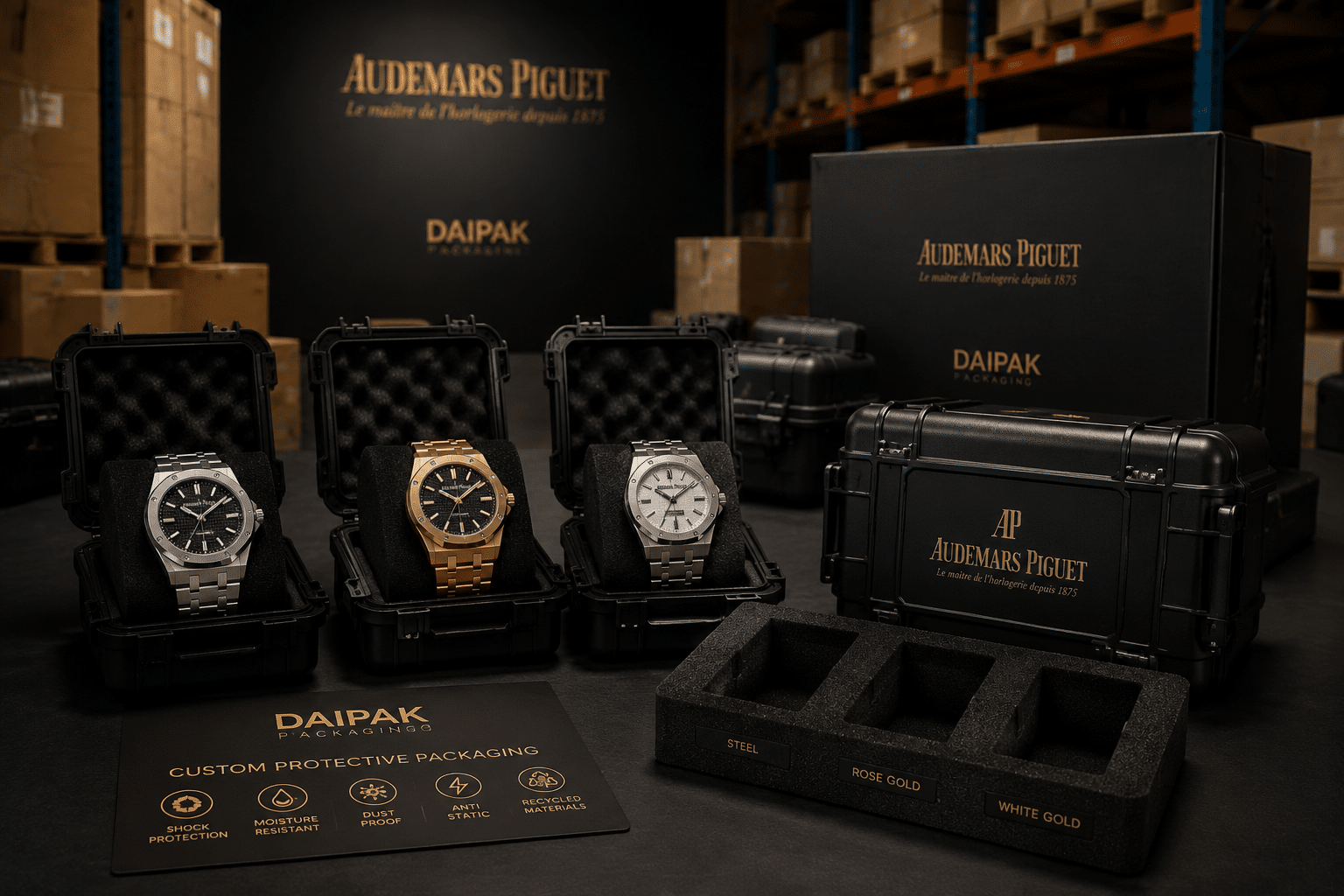
The mistake is judging the watch only from a clean front-facing photo. A Patek replica finish can look convincing from the dial side but weaker around the clasp, crown, bracelet sides, or caseback edge. These are the areas that reveal whether the material execution is consistent enough for daily use.
High-Contact Areas Reveal Plating Weakness
The first areas to check are the parts that get touched or rubbed the most: clasp edges, bracelet links, crown, lugs, caseback edges, and the underside of the case. On bracelet models, the links constantly move against each other. On a rose-gold-tone bracelet, even a small mismatch or worn edge can become more visible because the base metal tone underneath may contrast with the plated surface.
The crown is another practical tell. Buyers wind, set, and handle the crown repeatedly, so crown wear or mismatched crown color can show earlier than the case flank. The clasp also deserves attention because it is handled every time the watch is put on or removed. A good-looking case with a rough, bright, or inconsistent clasp finish is a warning sign.
For daily wear, steel is more forgiving because scratches tend to look like normal metal wear. On plated rose-gold or white-gold-tone replicas, wear can look less natural if it exposes a different underlying tone. That is why buyers who are hard on watches should be cautious with full gold-tone bracelets.
Mixed Finishes Can Expose Color Inconsistency
Patek-style cases often use a mix of brushed and polished surfaces. That is attractive, but it also makes finish consistency harder. A polished bezel reflects light differently from a brushed case side. Bracelet center surfaces, bevels, clasp parts, crown guards, and caseback edges may all show the same plating in different ways. On a strong example, those differences look like normal light behavior. On a weak example, they look like separate parts made in slightly different colors.
This matters most on rose gold because small tone changes are easy to see. A bracelet that looks warmer than the case, a crown that looks more copper than the bezel, or a clasp that appears brighter than the links can make the watch feel assembled rather than refined. White-gold-tone models are subtler, but cloudy polishing or an overly bright surface can still make the finish look cheaper than intended.
Our team usually treats finish consistency as a bigger decision factor than the factory’s material description. A claim about plating or coating means little if the case, crown, bracelet, and clasp do not look like they belong to the same watch.
Red Flags Before Buying
- Uneven rose-gold tone between the case, bracelet, clasp, crown, or pushers.
- Gold tone that looks neon orange, heavy copper, or unusually pink under neutral lighting.
- White-metal finish that looks cloudy, overly bright, or visually cheaper than clean stainless steel.
- Polished surfaces with dull reflections, haze, or inconsistent shine around the bezel and case side.
- Bracelet links that do not match the case color, especially near the end links and clasp.
- Crown color that appears different from the mid-case, which often points to weaker part matching.
If several of these signs appear in QC photos, paying more for the gold-tone version is hard to justify. A simpler steel version with cleaner finishing will usually feel more convincing than a more expensive plated version with obvious tone problems.
How to Choose by Discretion, Wrist Feel, and Budget
The best Patek replica material is not the same for every buyer. The better way to compare steel vs rose gold vs white gold replica options is to start with how the watch will be worn. Daily office use, weekend casual wear, formal events, and occasional collection use do not create the same material demands.
For most buyers, steel is the safest choice because it balances visual accuracy, wrist feel, discretion, and lower plating risk. Rose gold is more emotional and more visible, so it works best when the buyer wants warmth and accepts color scrutiny. White gold is the most nuanced choice: it can look discreet, but it often carries the biggest gap between visual appearance and expected precious-metal weight.
Beginner buyers should be especially careful with complicated Patek-style replicas in precious-metal tones. A simple steel sports model gives fewer things to verify: fewer subdials, less plating risk, more familiar weight, and usually a more forgiving daily-wear profile. A complicated rose-gold or white-gold-style watch asks the buyer to judge movement behavior, case thickness, dial layout, calendar windows, material tone, and social believability at the same time. That can be a rewarding choice for a buyer who knows exactly what to inspect, but it is a higher-risk first purchase.
Choose Steel If You Want the Safest Daily Wear Feel
Choose steel if you want the watch to feel natural without needing constant explanation. Steel works especially well for sports-style Patek replicas because the material suits the casual-luxury character of Nautilus and Aquanaut designs. It is easier to wear with different clothing, less likely to feel too flashy, and less exposed to plating concerns.
Steel is also the more rational choice for buyers who care about comfort and practical use more than precious-metal appearance. The budget is usually better spent on case shape, bracelet feel, dial execution, clasp quality, and movement stability rather than simply choosing a gold-colored version.
Choose Rose Gold If You Accept Color Scrutiny
Choose rose gold if the warmth is the point. A rose gold Patek replica can look elegant on a strap-based dress watch or complication-style design, especially when the case size is restrained and the tone is not too orange or coppery. It is a better fit for buyers who want more presence and are comfortable with the watch drawing attention.
The tradeoff is obvious: rose gold asks more from the plating and from the wearer’s setting. If the color is even slightly wrong, the whole watch can feel less refined. Buyers should only choose rose gold when they are willing to inspect tone consistency carefully and accept that visible wear points may matter more over time.
Choose White Gold Only If the Model Context Makes Sense
Choose white gold carefully. It is useful when the buyer wants a precious-metal look without the visual loudness of rose gold, but it should not be treated as a risk-free upgrade. On some Patek references, white gold is part of the model’s identity, and that identity includes a heavier, denser feel than standard steel can usually reproduce.
White gold makes more sense on restrained strap models or smaller cases where the weight gap is less central to the wearing experience. It is more questionable on full-bracelet precious-metal-style replicas, where the watch may look like a serious white-gold piece but feel closer to stainless steel. That mismatch may not bother every buyer, but it should be understood before purchase.
What to Check Before You Decide
- Model family: Steel usually fits Nautilus and Aquanaut-style daily wear better, while gold tones can suit Calatrava or complication-style designs when the case is controlled.
- Wrist use: For frequent daily wear, steel is usually easier to live with; for occasional dress use, rose gold or white gold may be more acceptable.
- Case color: Rose gold should look warm and balanced, not orange, coppery, or pink like costume jewelry.
- Bracelet versus strap: Full bracelets expose more plating, weight, and finish issues; straps make material mismatch less obvious.
- QC photos: Ask for neutral-light views of the case, bracelet, clasp, crown, side profile, and caseback to compare tone consistency.
- Weight expectations: Steel should feel natural; white gold may look right but feel too light if the reference is expected to have precious-metal heft.
- Plating tolerance: If visible wear or color inconsistency will bother you, steel is usually the calmer choice.
Buyers should also confirm practical terms before ordering, including return, repair, shipping, and after-sales conditions, because these can vary by seller and by model. That confirmation is separate from judging the watch itself: QC photos help evaluate visible execution, while seller terms help define what happens if the delivered watch does not match the buyer’s expectations. Neither point should be assumed from a factory name, a stock photo, or a short material description.
Water resistance should not be assumed from a model name, case shape, or sports-watch appearance. If water exposure matters, buyers should ask whether the specific watch has been tested, what the seller’s policy actually covers, and whether the watch should still be treated cautiously around water compared with genuine watches serviced through official channels.
Final Evidence-Safe Buying Judgment
The safest way to compare steel, rose gold, and white gold Patek Philippe replicas is to avoid absolute claims. No factory label, seller phrase, or beauty photo should be treated as proof that a replica is identical to an authentic watch, made from the same metal, or built to the same finishing, water-resistance, movement, or service standard. A more reliable decision comes from narrowing the claim: steel reduces plating risk, rose gold increases color scrutiny, and white gold increases the chance of a gap between visual restraint and expected precious-metal feel.
Buyers should also avoid treating replica watches as authorized goods. These are imitation products, and they may raise trademark, import, customs, resale, disclosure, and ownership issues depending on the buyer’s location and use case. This article is practical buying guidance, not legal advice, and it should not be read as a guarantee that any purchase, shipment, resale, or public disclosure situation is risk-free.
A replica watch should be evaluated with realistic ownership expectations. Even a strong super clone can have limits in water resistance, long-term movement stability, servicing convenience, plating durability, and close inspection compared with a genuine reference. For CleanVSFactory, the goal is to make this comparison more traceable by connecting factory names, movement claims, visible QC details, material behavior, and realistic ownership limits rather than treating any single label as proof.
The final judgment is straightforward: steel is usually the most believable and least stressful material for a Patek Philippe replica. Rose gold is worth considering only when the tone is convincing and the buyer wants a more visible watch. White gold should be chosen with the most caution because it can be visually discreet while still falling short in wrist weight and material feel.
Disclosure: This article is for general educational and comparison purposes only. Replica watches are not genuine products from the original luxury brands, and brand names are used only to identify reference designs or comparison topics. Factory names, movement descriptions, prices, availability, QC details, seller policies, and version information can change, so readers should verify important details with the seller before making a purchase decision. Replica watches should not be represented, resold, or used as genuine watches.