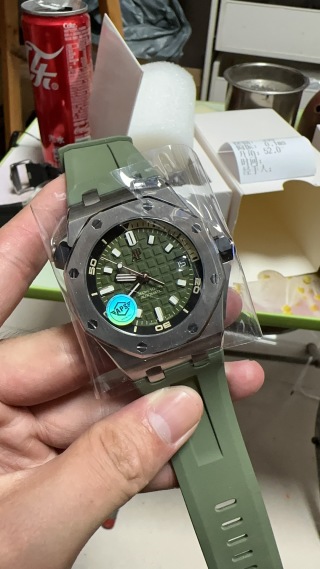
Is Buying an Audemars Piguet Super Clone Right for You?
An Audemars Piguet super clone is not a shortcut to owning an Audemars Piguet. It is a parallel product with its own logic, limits, and risks. Whether it makes sense depends less on budget and more on expectation control.
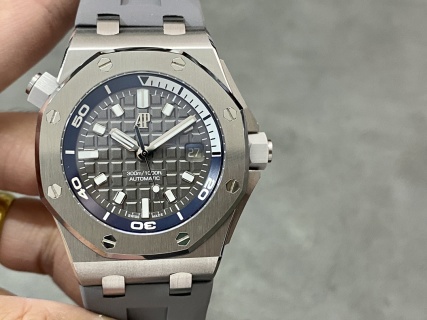
A super clone makes sense for people who already understand what the genuine watch represents, but are not seeking legal ownership, resale value, or brand legitimacy. These buyers care about how the watch wears, how it looks at normal distance, how it survives daily use, and whether it feels structurally convincing on the wrist. They accept that it is not authentic and do not need it to be.
It does not make sense for buyers who want certainty, guarantees, or symbolic status. If the goal is validation, investment, or peace of mind, a replica will eventually disappoint. The closer a super clone gets to the original, the more its remaining gaps become visible to someone who expects perfection.
The most common mistake beginners make is assuming emotional satisfaction comes from visual similarity alone. In practice, satisfaction comes from alignment between expectation and reality. A super clone is a compromise product. If you are comfortable with that idea, you are likely the right kind of buyer. If you are not, no factory or version will fix that mismatch.
Understanding the Price Range of AP Super Clone Watches
Price confusion is one of the fastest ways beginners get trapped. In the AP replica market, low price does not mean good value, and high price does not automatically mean quality. There is a real cost floor for building something that even approaches an Audemars Piguet Royal Oak in structure, finishing, and wearability.
A genuine AP has a complex case geometry, an integrated bracelet, tight tolerances, and a movement designed specifically for the case. Replicating even part of that requires custom tooling, experienced finishing, and controlled assembly. That reality creates a minimum price below which corners are guaranteed to be cut, even if the seller’s language sounds confident.
Understanding what each price tier actually delivers is more important than memorizing numbers.
$300–500 Range (Entry-Level Replicas)
In this range, you are buying a watch that resembles an AP in outline only. The case shape may look acceptable from a distance, but proportions are often off, bracelet articulation is stiff or uneven, and finishing lacks sharp transitions between brushed and polished surfaces.
Movements are usually generic automatic calibers with decorative plates, chosen for cost rather than layout accuracy. Thickness is commonly incorrect, which affects how the watch sits on the wrist. These watches are wearable, but they should never be presented or understood as top-tier or “super clone” products.
This tier is suitable only if expectations are very low and the buyer understands it as a visual homage rather than a serious replica. Marketing these watches as anything close to factory-level super clones is a red flag.

$500–800 Range (Mid-Level Replicas)
This is the most dangerous price zone for beginners. It sits close enough to the high end to feel credible, but still attracts aggressive cost-cutting. Many watches in this range are rebranded lower-tier products sold with upgraded language rather than upgraded construction.
Common tactics include vague factory names, claims of “Swiss movement,” or emphasis on isolated features like sapphire crystal while ignoring structural accuracy. Some examples look impressive in photos but reveal flaws quickly in hand, especially in bracelet comfort, dial texture, or long-term movement reliability.
There are exceptions, but they require experience to identify. For most first-time buyers, this range carries the highest risk of paying too much for something that still falls short in critical areas.
$800–1200+ Range (True Super Clone Level)
This is where real super clone products begin. At this level, factories invest in correct case thickness, more accurate bracelet geometry, improved finishing transitions, and movements that are at least structurally aligned with genuine AP calibers.
Indicators start to align: the watch sits flatter on the wrist, the bracelet flows rather than hinges, the dial texture holds up under close inspection, and the movement behaves consistently over time. This is also where factory reputation starts to matter more than individual claims.
For beginners who want a serious experience without navigating endless compromises, this range represents a realistic starting point. It does not eliminate risk, but it shifts the odds away from obvious disappointment and toward a product that feels intentionally built rather than assembled to meet a price tag.
Choosing the Right AP Model for Your Lifestyle
Choosing an Audemars Piguet model is less about taste and more about self-awareness. The Royal Oak carries a specific visual weight and social signal that does not disappear just because the watch is a super clone. If the model conflicts with how you actually live, it will end up staying in a drawer no matter how accurate it is.
Royal Oak: Who Should Choose It (and Who Shouldn’t)
The Royal Oak is not a neutral watch. Its integrated steel bracelet, exposed screws, and flat, angular case make it visually assertive even in conservative colors. On the wrist, it reads as intentional and noticeable, not incidental.
It works best for people who already wear structured clothing, spend time in professional or semi-formal environments, and are comfortable with a watch that draws quiet attention. In business settings, especially in design, finance, or entrepreneurship, the Royal Oak looks natural rather than forced. The bracelet helps here. It feels deliberate and finished, closer to jewelry than utility.
It is a poor choice for buyers who dress casually most of the time, rotate many watches, or prefer pieces that disappear under a sleeve. The Royal Oak does not disappear. Even a well-made super clone will feel out of place if the wearer is constantly trying to hide it rather than wear it.
Another overlooked factor is psychological visibility. Some people enjoy knowing they are wearing something distinctive. Others become self-conscious. If the idea of someone noticing your watch makes you uncomfortable, the Royal Oak will amplify that feeling rather than solve it.
Case Size, Wrist Size & Comfort
A 41mm Royal Oak does not wear like a typical 41mm round watch. The flat case, wide bezel, and integrated bracelet create a strong horizontal presence that visually expands across the wrist. On paper, the dimensions seem manageable. In practice, the watch wears larger than expected.
This surprises many beginners. They assume that because they wear 41mm sports watches comfortably, the Royal Oak will feel the same. It does not. The first impression is often that the watch feels broader, flatter, and more present than anticipated.
Comfort depends less on wrist circumference and more on wrist shape. Flat wrists tend to carry the Royal Oak well. Rounded wrists sometimes struggle with how the bracelet articulates and how the case edges sit against the skin. Poor replicas exaggerate this problem with stiff links and incorrect tapering.
The most common beginner mistake is choosing size based on numbers instead of wear experience. When possible, focus on how the bracelet flows and how the case sits at rest. A technically accurate size means little if the watch never feels settled on the wrist.
Factory Matters: Why the Factory Is More Important Than the Seller
In the AP replica world, the factory determines the product. The seller determines only how it reaches you. Confusing the two is one of the fastest ways to make a bad decision.
A factory is not a physical place you visit or a brand you can verify. It is a production system: tooling, case molds, bracelet construction, movement sourcing, and assembly standards. Once a factory defines these variables, no seller can change them.
This is why factory names matter more than version names. Labels like “V3,” “latest batch,” or “upgraded edition” are often applied after the fact and mean different things depending on who is speaking. A factory name, when real, anchors expectations to a known construction standard.
Factories like APS and VS are not interchangeable. APS focuses on structural accuracy, especially case thickness and movement architecture. VS tends to emphasize finishing consistency and movement reliability across larger production runs. Neither is universally better. They reflect different priorities. Understanding those priorities matters more than chasing whichever name sounds newer or rarer.
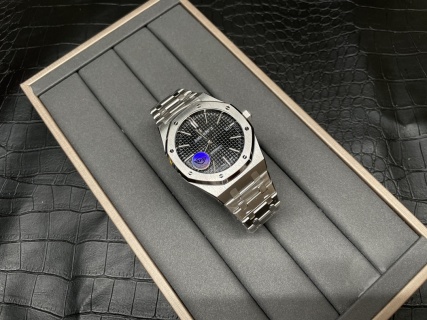
Once you understand the factory, the seller becomes a logistics problem, not a trust problem. Without that understanding, even an honest seller cannot protect you from a poorly chosen product.
How to Avoid Common AP Replica Scams
Most AP replica scams do not involve outright disappearance. They involve expectation manipulation. The product arrives, but it is not what the buyer believed they were paying for.
Fake VS / Fake APS Explained
The most common tactic is borrowing credibility from real factory names. Sellers may claim a watch is “VS quality” or “APS style” without it actually coming from those factories. Sometimes the watch uses older components or unrelated production lines that resemble the originals only superficially.
The language is deliberately vague. Instead of stating the factory clearly, sellers emphasize similarity, inspiration, or internal sourcing. In practice, this means there is no accountability if the watch fails to match known examples from that factory.
The simplest defense is consistency. A real factory product looks similar across multiple sellers because it comes from the same tooling. If every listing looks slightly different, you are likely looking at rebranded stock rather than a true factory piece.
“Swiss Movement” & “1:1 Copy” Myths
These phrases persist because they sound reassuring and mean almost nothing. A “Swiss movement” claim is rarely literal and often irrelevant. Even genuine Swiss movements, when used incorrectly or modified poorly, do not guarantee performance or longevity.
“1:1 copy” is even less meaningful. No replica is truly one-to-one in material, manufacturing process, or legal status. The term exists to shorten conversations, not to describe reality.
A more honest way to think about clones is functional approximation. Does the movement behave similarly? Does the case wear similarly? Does the watch age predictably? These questions matter far more than labels that cannot be verified.
Photo vs Reality: What You See Is Not Always What You Get
Official photos are designed to sell an idealized version of a product. Lighting hides finishing flaws. Angles conceal thickness issues. Static images cannot show bracelet stiffness or balance on the wrist.
This gap between photo and reality is where disappointment usually begins. The only practical countermeasure is reviewing actual quality control images of the specific watch being shipped. These images reveal alignment, finishing consistency, and assembly quality that marketing photos never show.
A seller unwilling to provide real QC images is asking you to buy a concept rather than a product. In a market built on precision compromises, that is rarely a safe choice.
How to Choose a Reliable AP Replica Seller
Once the factory and model are clear, the seller’s role becomes execution. A reliable seller does not make a mediocre watch better, but an unreliable one can easily ruin a good choice. The difference usually shows up not in promises, but in process.
What a Trustworthy Seller Should Provide
A serious seller works with specifics, not generalities. Real quality control photos of the exact watch being shipped are essential. These are not polished marketing images but straightforward shots that show dial alignment, case finishing, bracelet links, and movement details. They allow you to confirm that the watch matches what the factory is known for, not just what the listing claims.
Clear factory identification matters just as much. A trustworthy seller states the factory directly and consistently, without substituting vague language or shifting explanations when questioned. If the factory name changes depending on the conversation, the product likely does as well.
After-sales logic is another indicator. No replica seller can offer unlimited guarantees, but a reliable one explains what happens if something arrives wrong, damaged, or non-functional. The explanation should be simple, realistic, and consistent with the risks of international transactions. Clarity here usually reflects experience rather than generosity.
Red Flags to Watch Out For
Unusual pricing is often the first warning sign. Prices that are significantly lower than the known range for a given factory usually indicate substitution, old stock, or misrepresentation. In this market, discounts rarely come from efficiency alone.
Overpromising is another clear signal. Claims of perfection, zero risk, or absolute accuracy suggest a seller is speaking to emotions rather than realities. Replica watches are compromise products by nature. Anyone denying that is avoiding responsibility.
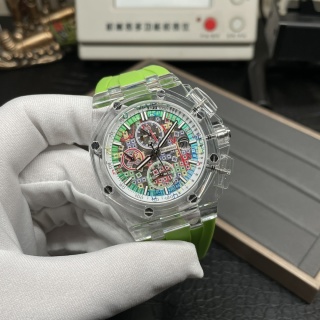
A third red flag is refusal to explain details. Sellers who deflect questions about factory origin, movement type, or quality differences are not protecting secrets. They are protecting ambiguity.
Payment, Shipping & After-Sales Expectations
Payment methods in the replica world carry inherent risk. Most options are chosen for practicality rather than buyer protection. This does not automatically indicate dishonesty, but it does mean you should assume responsibility for the decision rather than expecting institutional safeguards.
Shipping is another area where expectations should remain grounded. Transit times vary, customs inspections are unpredictable, and delays are common. A reliable seller sets realistic timelines instead of optimistic ones and communicates clearly if something changes.
After-sales support has limits. Small adjustments, basic troubleshooting, or partial compensation may be reasonable. Full replacements for long-term wear issues usually are not. Understanding this boundary upfront prevents frustration later and helps keep the transaction proportional to what it actually is.
Maintenance & Daily Use Tips for AP Super Clones
A super clone benefits from being treated like a mechanical object, not a display piece. Water resistance should be assumed minimal unless tested. Occasional splashes are different from deliberate exposure. Avoid water unless the watch has been professionally checked.
Magnetism and shock matter more than many beginners expect. Strong magnetic fields can affect accuracy, and sudden impacts can stress components that were never designed for extreme use. Wearing the watch during routine daily activity is fine. Treating it like a sports instrument is not.
Rotation helps longevity. Allowing the watch to rest, winding it gently, and avoiding constant stress on the bracelet all contribute to a longer usable life. Most failures come from accumulated neglect rather than sudden defects.
Step-by-Step: How to Buy an AP Super Clone Safely
Start by setting a realistic budget that aligns with known factory tiers rather than emotional desire. Decide which AP model fits your lifestyle and comfort expectations, not just your visual preference.
Choose the factory before choosing the seller. Confirm that the factory’s strengths match what you care about most, whether that is case accuracy, finishing consistency, or movement behavior.
Request and review real QC images of the exact watch. Look for alignment, proportion, and overall coherence rather than chasing tiny cosmetic details.
Confirm after-sales terms in plain language before payment. Know what happens if something goes wrong and accept the limits of that agreement.
Only then proceed. Skipping steps does not save time. It usually shifts risk forward.
Final Advice: What Matters Most When Buying an AP Super Clone
The best Audemars Piguet super clone is not the one described most confidently, but the one chosen with clear expectations, factory-level understanding, and acceptance of compromise, leaving the final judgment to the buyer rather than the promise.