
If you asked this question five years ago, most people would have laughed and pointed you straight to a Swiss boutique. But things feel different now. Prices have climbed far beyond what many buyers are willing to justify, even buyers who can technically afford it. And in the past couple of years, I’ve had more conversations with people who say the same thing: “I still want a good watch, but I don’t want to bleed for it.”
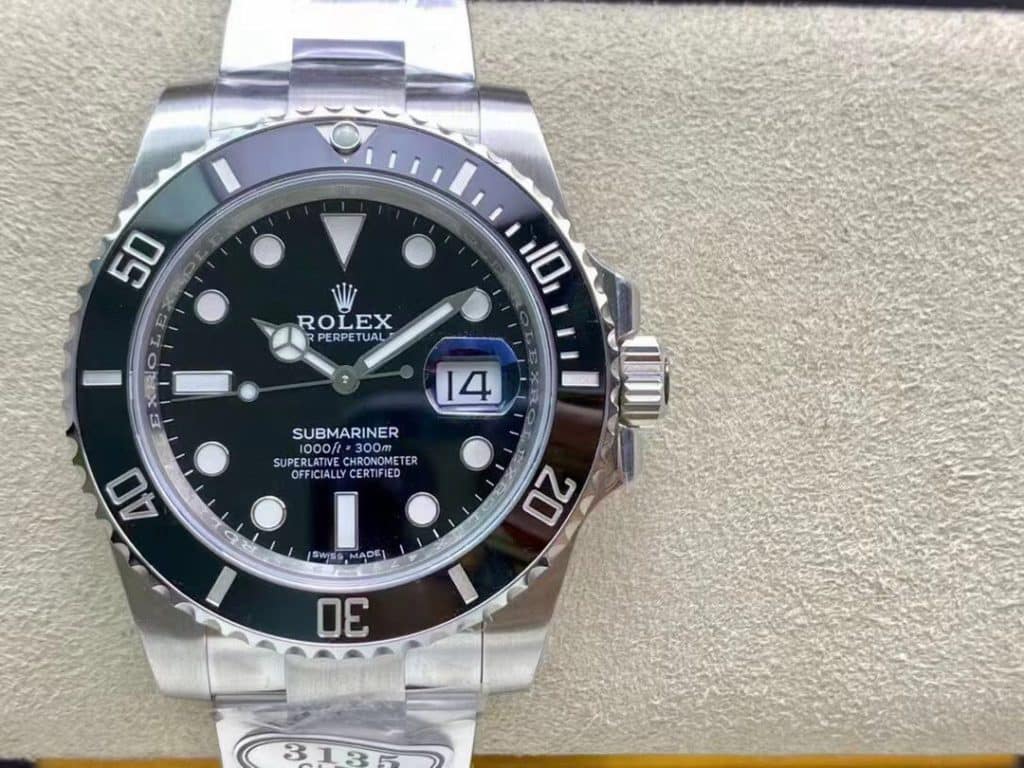
This usually comes up in moments that feel ordinary. Someone messages me late at night after a long workday. Another buyer reaches out during a lunch break, covered in dust from a job site. They look at their aging watch, or a strap that sweat has worn down, and they wonder if there’s a smarter option—one that still feels solid on the wrist without turning into a financial decision that keeps them awake. That’s often when the replica Black Submariner enters the conversation. And not just any replica. People mention the Guangzhou watch scene, the small workshops, the super clone makers who have built a strange kind of reputation: not flashy, not perfect, but reliable in a way that matters to regular people.
So the real question becomes less about status and more about practicality. Why are so many buyers—contractors, small business owners, engineers, even watch hobbyists—starting to ask whether a super clone rolex watch from Guangzhou is worth considering? What did they see, or experience, that made them pause before spending ten thousand dollars on something they’ll bang against a doorframe next week? That’s the question this article tries to answer. I’ll share what I’ve seen, what buyers tell me, and why the conversation around this watch has changed. In the end, the decision is yours, but it helps to understand the landscape before you choose.
Why Buyers Today Start Looking Beyond Swiss Originals
Over the past few years, many buyers in the U.S. have started to pause before putting several months of disposable income into a Swiss watch. The cost keeps rising, yet the world around them feels less stable. Bills stack up faster. Work feels heavier. Families juggle more responsibilities than they did a decade ago. In that kind of environment, dropping ten or fifteen thousand dollars on something you wear every day doesn’t feel as casual as it once did.
I hear this hesitation more often now. Someone tells me they scratched their stainless-steel diver while loading tools into a truck. Another says their bracelet caught on metal framing at a renovation site. A third person jokes that their toddler somehow finds every sharp object in the house and tests it on their watch. These are normal moments, but each one forces the same question: “Do I really want a watch this expensive in situations like these?”
Daily wear brings a different kind of pressure than luxury marketing ever talks about. A watch lives through heat, sweat, drywall dust, sunlight, airport trays, office doorknobs, and unexpected drops between car seats. And with Swiss prices climbing, the fear of damaging something so costly becomes part of the experience. For many people, that constant worry chips away at the joy of owning it.
So buyers start looking sideways—toward options that feel solid, look clean, and won’t punish them for living their lives. Some of those buyers eventually land on the idea of a super clone. Not because they stopped caring about quality, but because they care more about using the watch than guarding it.
When a Watch Becomes a Tool, Not a Trophy
For a lot of people, a watch isn’t a symbol. It’s a companion that goes wherever the day pulls them. I’ve spoken with construction supervisors who check the time while climbing scaffolding. Real estate contractors who walk into unfinished basements where the air is thick with concrete dust. Electricians who squeeze their wrists into tight spaces between wires and metal edges. These aren’t environments built for delicate things. Even outside heavy labor, the same pattern shows up. A parent rushing between school pickups. A small business owner cleaning up after closing. Someone who spends half the week on the road and throws their watch into hotel sinks without thinking. Sweat stains a leather strap faster than people expect. Dust settles in the gaps of a bracelet and grinds against the links. Tool scratches appear from places you can’t even remember touching.
In these moments, the watch becomes practical first and emotional second. Buyers don’t say, “I want something impressive.” They say, “I need something I don’t have to babysit.” And that shift—quiet but real—is why some professionals start looking at alternatives like a replica Black Submariner. Not to pretend they own a Swiss piece, but to have a daily tool they can trust without fearing every knock or scrape. When function takes the lead, the definition of value changes. And once that happens, the idea of exploring something outside the traditional Swiss market no longer feels strange. It feels reasonable. Whether it’s the right path for you depends on your life, your work, and what you expect a watch to endure.
What Sets Guangzhou’s Super Clone Industry Apart
When people outside the watch world hear about Guangzhou, many imagine rows of factories pushing out generic products. The reality is far more layered. The super clone scene there didn’t appear overnight; it grew out of years of quiet trial and error, where small workshops refined one part of the craft at a time. You see it when you walk into a workspace early in the morning. The lights flick on over narrow benches. A technician adjusts a loupe, settles into his chair, and starts checking a balance wheel that refuses to behave. Another worker wipes down a tray of cases, each one identical under the bright fluorescent glare.
This isn’t about trying to outperform Swiss makers. It’s about building something that holds up under daily use because the people behind it understand how watches get treated in the real world. A Guangzhou super clone factory doesn’t need slogans. Its value comes from routine: checking alignments, brushing out debris, tightening tolerances until the watch feels right in the hand. Over time, this rhythm created a kind of craft that sits between industry and tradition—efficient enough for volume, but personal enough that someone’s fingerprints are still on the movement holder by the end of the day.
The point isn’t that China produces “the best.” It’s that Guangzhou figured out how to produce something consistent, week after week, at a level many buyers quietly appreciate.
The Ecosystem Behind the Craft
If you spend a day in the watch districts around Guangzhou, you start to understand how the ecosystem works. A single workshop rarely does everything. One small shop machines bezels. Another specializes in bracelets. A third only handles lume application under a pair of soft-yellow lamps. These places open around the same time each morning, and the sound of metal trays sliding across tables becomes part of the routine. Parts move between them like ingredients in a kitchen: cases, screws, crystals, hands, and dials all pass through different hands before they reach final assembly.
This network makes the work possible. A factory assembling a replica Black Submariner doesn’t need to chase every component itself; it relies on people who focus on one detail and do it every day. That’s why supply chains feel dense and alive in this part of China. When a batch of crowns arrives with slightly rough threads, someone down the street knows how to polish them without compromising the fit. If a batch of hands comes in with uneven lume, another workshop fixes it before the watch ever reaches QC.
None of this appears in marketing lines or spec sheets. But the effect is visible the moment you hold the finished piece. The tolerances feel tighter. The bracelet clicks into place without that hollow ring cheaper replicas often have. These things don’t come from magic; they come from a system built piece by piece, workshop by workshop.
Why Their Work Resonates With Global Buyers
What surprises many first-time buyers is that Guangzhou doesn’t win people over with perfection. It wins them with predictability. When someone orders a watch and it arrives in the same condition, with the same feel, and behaves the same way month after month, that reliability becomes its own kind of appeal. I’ve seen buyers return not because they want something flashier, but because the first piece kept their trust. They knew what to expect, and that sense of stability matters more in today’s economy than a flawless finish. QC in these factories isn’t a marketing term; it’s a routine that happens under bright desk lamps, where a technician brushes lint from a dial, checks the sweep of the seconds hand, and rejects pieces that fall short. It’s not glamorous work. But it means the person who receives the watch later doesn’t have to fight with loose clasps or misaligned markers.
And that, more than anything, is why buyers come back. They don’t expect miracles. They expect a watch that won’t leave them stranded when something goes wrong. They expect someone to answer when they ask for parts or adjustments. They want consistency in a world where very little feels stable anymore. Guangzhou’s super clone industry doesn’t promise the impossible. It offers something simpler: a level of steadiness that many people quietly look for, even if they don’t say it out loud.
The Replica Black Submariner: What People Actually Care About
When people ask about a replica Black Submariner, they rarely want a list of features. They want to know how it feels in daily life. Whether it catches on doorframes. Whether the crystal scratches when they set down groceries or brush past a countertop. Whether it’s still readable when they check the time in a dark parking lot after a long shift. Specs look clean on a page, but a watch becomes real only when it follows someone through the small moments they don’t plan for.
Most buyers tell me the same thing: they want something that survives everyday friction. They wash their hands and knock the watch on a metal faucet. They move boxes and feel the bracelet scrape against cardboard. They fish their keys out of a bag and tap the crystal without noticing. These tiny interactions matter more than “heritage” or “brand story.” And that’s where a well-made super clone stands out—not because it tries to imitate luxury, but because it holds up under ordinary pressure.
The Feel of 904L Steel in Daily Use
A lot of people don’t care about metal grades until they touch them. The 904L case and bracelet on a good replica Black Submariner have a certain weight that settles onto the wrist without dragging. The steel stays cool even after sitting in a warm car. It warms slowly against the skin as the morning goes on. That temperature shift creates a sense of presence you don’t notice with lighter alloys.
The bracelet feels tighter in its tolerances. It doesn’t rattle when you walk or raise your arm. When you run a finger along the brushed surface, the texture has direction, not noise. It doesn’t shout luxury, but it feels intentional. And that feeling, over months of wear, is what people remember—not the grade number stamped on a spec sheet.
The Movement Question Many Buyers Keep Asking
This comes up in almost every conversation: “How close is the movement to the real thing?”
Most people asking this don’t plan to open the caseback. They only want to know if the clone 3235 movement inside will keep time without drama. They want to know if the seconds hand sweeps cleanly, if it stutters when the watch takes a knock, or if it gains a couple of minutes after a week of long workdays.

A Swiss movement can brag about heritage. A clone movement earns trust in simpler ways—by starting each morning without complaint and staying predictable through sweat, dust, weekend road trips, or long days in the sun. Differences exist, of course, but they show up in maintenance cycles, not in the way the watch tells time in an ordinary week.
Why You Won’t Find a Swiss 3135 in Any Replica
Some buyers still hope they can get a Swiss 3135 inside a replica, sometimes because they read it online or saw the word “Swiss” printed on a listing. But Swiss calibers don’t enter the replica market. They don’t circulate through these channels, and factories don’t have access to them in any legal or practical way. ETA movements exist, but they aren’t the same architecture, and they don’t magically turn a replica into something closer to the original.
And even if someone did manage to source a Swiss caliber, the math still collapses. If you’re willing to spend that kind of money just for the movement, you’re probably not looking at replicas in the first place. It isn’t about tearing down the hope—it’s about being realistic about how the industry works.
The Gap Between Super Clone Quality and Cheap Replicas
People sometimes group all China-made replicas together, but the gap between Guangzhou super clones and low-tier replicas is wide enough that you can tell the difference before you even strap the watch on. A cheap piece often arrives with small scratches on the clasp, dust trapped under the crystal, or a bracelet that squeaks when you bend your wrist. The bezel might feel loose. The lume fades before midnight. If you hold it under a bright kitchen light, you may see uneven brushing or slightly misaligned markers.
A good super clone avoids most of these problems not through magic but through a more disciplined workflow. It’s the difference between brushing debris off a dial before assembling the hands and pushing forward even when dust is visible. It’s the difference between rejecting a misaligned date window and letting it slide to save time. None of this is glamorous, but it creates a watch that feels more coherent from day one and ages more predictably over the months that follow.
How QC Shapes the Life of the Watch
Walk into a mid-sized Guangzhou workshop at the end of a workday and you’ll see a small pile of rejected pieces on a tray near the QC desk. Cases with tiny defects. Movements that failed timing tests. Hands that didn’t seat cleanly. These rejects won’t reach buyers, and that simple filter makes a major difference in the long-term behavior of the watch. QC teams test more than appearance. They check if the rotor spins with a clean tone or a grinding one. They check if the watch fogs when hit with a mild temperature shock. They run the movement through timing machines to catch erratic beat errors. They aren’t chasing laboratory perfection—they just want the watch to survive real life without surprises. And that attitude has more impact on the owner’s experience than any marketing phrase ever could.
The Risk of “One-Time Good” Sellers
Still, not every seller treats the process the same. I’ve seen too many cases where someone buys a watch from a low-tier source, only to discover a problem a month later—and then no one answers their messages. The clasp fails. The crown threads strip. Moisture appears under the crystal after a hot shower. And the seller disappears because their model only works if buyers never return.
This frustration doesn’t come from the watch itself. It comes from knowing that if someone had checked the piece before shipping, or offered a simple part replacement, the watch could have lasted years. That’s why many buyers stick with a trusted factory or seller once they find one. They aren’t chasing perfection. They’re trying to avoid silence when something goes wrong. A replica doesn’t need to be flawless to feel worth it. It needs to be supported. And that’s a truth buyers learn quickly, sometimes the hard way.
Who the Replica Black Submariner Actually Works For
A replica Black Submariner isn’t for everyone, but it fits surprisingly well into the lives of people who rely on a watch the same way they rely on any other tool—quiet, consistent, and always ready. When I think about who chooses one, I don’t picture “target markets.” I picture real people I’ve spoken to over the past few years: a construction boss who spends half his day walking job sites, an entrepreneur juggling late invoices and early mornings, an engineer who keeps bouncing between office meetings and field inspections, and a long-haul driver who checks the time through long stretches of empty highway. Different jobs, different lives, but a similar need: a watch they don’t have to worry about.
The Black Submariner works for them because it slips into their routine without demanding special treatment. It isn’t fragile, and it doesn’t ask them to change how they move. They put it on in the morning, forget about it by lunchtime, and notice it again only when they need to know the time.
For People Who Use Their Hands More Than They Sit in Meetings
A durable daily watch matters when life pulls you in and out of physical work. Sweat runs down your arm on a hot day. Dust clings to your clothes when you leave a construction site. Metal door handles scrape your wrist without warning. You twist your arm under a sink to fix a loose pipe, or reach behind a copier in an office to plug something in, and the watch hits the edge of a cabinet. These aren’t dramatic moments—they’re the kind of friction everyone lives through.
A good super clone Black Submariner handles these moments quietly. The steel absorbs small bumps without leaving scars. The bracelet stays firm even after months of gliding over rough surfaces. The crystal doesn’t panic when it meets a faucet or the corner of a toolbox. The watch keeps its shape and its confidence, which is all most people want from something they wear every day.
For Buyers Who Still Care About Style—But Not About Impressing Others
Some people don’t need their watch to make a statement; they just want it to look right with how they dress. A black diver fits naturally into that role. You can wear it with a work jacket in the morning, a polo shirt during errands, and a simple button-down at dinner. It doesn’t fight the outfit, and it doesn’t ask for attention.
The Submariner design works because it stays quiet. The black dial blends into the background. The brushed bracelet catches a bit of light but never shouts. It’s there when you need it and invisible when you don’t, which is often what people appreciate most. They want something that feels like part of their routine, not a piece that turns every gesture into a performance.
Should You Consider a Guangzhou Super Clone Black Submariner?
This brings us back to the original question: should you even look at a Guangzhou super clone? There’s no universal answer. It depends on what you expect from a watch and how you live day to day. A super clone won’t replace the heritage, service network, or long-term value of a Swiss watch, and it shouldn’t pretend to. But it can solve real problems for people who need something reliable without carrying the weight—financial or emotional—of a four- or five-figure piece.
If your lifestyle includes long workdays, unpredictable tasks, or constant movement, a Swis original may feel too fragile for the risk. A super clone, on the other hand, offers a kind of freedom: you can wear it anywhere without that small knot of worry in your stomach.
What You Gain and What You Trade Off
When you choose a super clone, you gain ease. You gain a watch you can scratch, bump, sweat into, rinse off, and still trust the next morning. You gain something that does its job without turning your wrist into a liability. Many buyers find that this freedom changes their relationship with watches—they wear them more, not less.
But there are trade-offs. A super clone won’t carry the same mechanical pedigree as a Swiss piece, and you won’t have the same long-term service options. The finishing may not hold up under a jeweler’s loupe. If you care deeply about brand history or resale value, this path won’t satisfy you. And that’s okay. Not every watch has to serve the same purpose.
What matters is whether the reality of the watch aligns with the reality of your life.
A Grounded Way to Look at the Value
Before deciding, think about where your watch spends most of its time. Does it sit behind a desk, or does it follow you through job sites, grocery stores, gym sessions, and late-night drives? Do you need a piece to admire under perfect lighting, or something that absorbs the impact of your day without complaining?
Value shows up differently depending on your lifestyle. For some, value lives in craftsmanship and tradition. For others, value lives in the ability to go through a week without worrying whether the watch is too delicate for the life they actually live.
A Guangzhou super clone Black Submariner speaks to the second group.
Final Take: It Comes Down to What You Expect From a Watch
From what I’ve seen, Guangzhou’s super clone models offer enough strength and consistency to support most people’s day-to-day routines. They don’t break budgets, and they don’t demand special care. For many professionals, that balance feels right.
But the final call belongs to you.
Whether it fits your life, only you can answer.