
When one thinks of Rolex, the mind immediately jumps to legendary durability, precision engineering and a heritage of crafting timepieces that can accompany you to the depths of the sea. The original Oyster case, the patented screw‑down crown, and the rigorous water‑resistance testing: all serve to reinforce Rolex’s reputation for being not only a luxury symbol, but a serious tool watch.
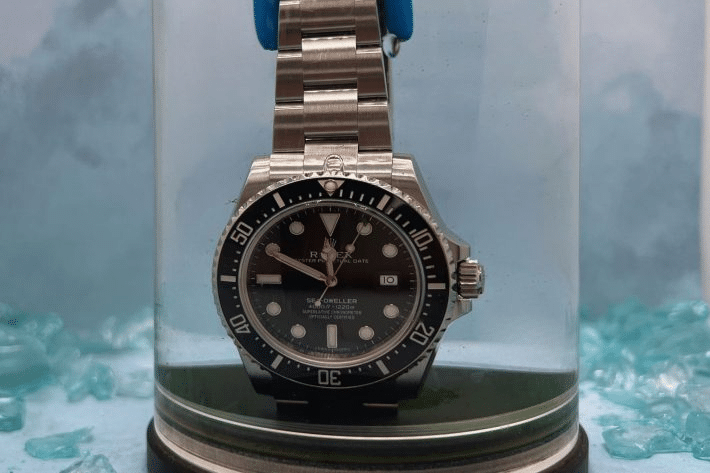
Into this world enters the concept of the “super clone” Rolex — replicas so finely made that at a glance they’re nearly indistinguishable from the genuine article. Among the factories carving out this niche is VS Factory (often abbreviated VSF), which has gained attention among replica‑buyers for delivering super clones that mirror many aesthetic and mechanical traits of real Rolex watches. Reddit+2OnPattison+2
Because genuine Rolex watches often boast certified water‑resistance (often 100 m, 300 m or more depending on the model), a key question arises for anyone contemplating a super clone: Do VS Factory super clone Rolex models truly offer waterproof performance comparable to the originals?
In this article, I’ll share not just theory, but also practical perspectives and anecdotal feedback that suggest the answer is far from straightforward—and likely cautionary. Let’s dive in together.
How Do VS Factory Super Clone Rolex Models Compare?
When it comes to super clone watches, especially from renowned factories like VS Factory (VSF), the comparisons with authentic Rolex models can become quite intense. Enthusiasts and collectors alike often wonder if these meticulously crafted replicas can hold their own in the one area Rolex is most famous for: water resistance. After all, a watch isn’t just a timekeeping device; it’s a testament to reliability and durability, and water resistance plays a major role in that.
Build Quality and Materials Used in VS Factory Clones
One of the standout features of a VS Factory super clone Rolex is the impressive attention to detail, especially when it comes to the materials used. These clones often use high-grade stainless steel and sapphire crystal, which are common materials in both genuine Rolex models and in their 1:1 replica counterparts.
For example, the stainless steel in VSF clones is typically 316L grade, a material Rolex uses as well. This helps give the watch a similar weight and feel to the original. The sapphire crystal is another area where VS Factory excels. They mimic the scratch-resistant, clear transparency of genuine Rolex glass, ensuring the look and function are remarkably similar.
But here’s the catch: while these materials are similar, the craftsmanship is where the difference lies. Rolex uses submicron precision machining and has their watches undergo extensive water resistance testing, where every case, crown, and gasket is engineered to ensure tight seals. VS Factory, while impressively skilled, may not replicate the same level of engineering sophistication, which can lead to slight discrepancies in the waterproofing capabilities.
In other words, while VS Factory super clone Rolex watches may look identical on the surface, the internal precision that goes into ensuring a truly waterproof seal may not match up.
Water Resistance Testing of Super Clone Rolex Watches
Now, let’s talk about real-world performance. Many buyers of VS Factory super clones report that these watches can hold up to everyday splashes of water, such as rain or a quick hand wash, without any issues. In fact, some users have even worn them in shallow water, like at the beach or in the pool, without noticing any significant leaks. However, here’s where things get interesting: the more serious the water pressure, the more these clones begin to show their weaknesses.
Anecdotal experiences from buyers suggest that while a VS Factory super clone Rolex might survive light exposure to water, it is not designed for deep water activities like diving. Rolex watches, on the other hand, are rigorously tested to handle depths of 300 meters or more, with seals and gaskets that are meticulously designed to keep water out under extreme conditions. VS Factory doesn’t have the same kind of high-pressure testing protocols in place, and that becomes evident in the performance of their super clones under more extreme conditions.
Some users have shared stories of their VSF Rolex clone starting to fog up after a few minutes underwater or developing condensation under the glass after a swim. For a watch marketed as being “water-resistant,” this is a red flag.
In conclusion, while VS Factory super clone Rolex models may be good enough for basic water exposure, they fall short of matching the water resistance of the real thing. If you’re looking for a Rolex that can stand up to serious water activities, it’s likely best to stick with the genuine article. For the price and craftsmanship, VSF clones offer a striking resemblance, but when it comes to water resistance, they simply can’t match the Rolex legacy.
H2: Understanding Rolex’s Water Resistance Standards
When discussing luxury watches, water resistance is more than just a feature; it’s a mark of quality and precision. Rolex, with its long history of innovation, has set the standard for how a high-end timepiece should perform in water. But, what does “waterproof” really mean in the context of Rolex watches? Let’s break it down and see how Rolex’s water resistance standards have shaped the industry.
Rolex’s Waterproofing Technology
Rolex has been a pioneer in developing water-resistant technology. One of the most significant breakthroughs in the brand’s history was the introduction of the Oyster case in 1926 — the world’s first waterproof wristwatch case. This innovative design featured a screw-down case back, screw-down crown, and a hermetically sealed case, effectively protecting the delicate inner workings of the watch from dust, moisture, and pressure.
This technology has evolved over time, with Rolex continually improving and refining its cases to offer maximum protection in various environments. For example, the Submariner, one of Rolex’s most famous dive watches, boasts a depth rating of 300 meters (1,000 feet). The watch is specifically designed for extreme underwater conditions, with a rotating bezel that helps divers track elapsed time. Over the years, Rolex’s commitment to water resistance has expanded across other models, such as the Sea-Dweller (1,220 meters), and even the Daytona and Datejust, which feature water resistance of up to 100 meters.
While these innovations are impressive, it’s important to note that Rolex’s water resistance features are not just about immersion in water. They’re about durability in varying conditions like saltwater, pressure, and temperature changes — all of which can affect a watch’s integrity if not properly engineered.
The Importance of Water Resistance Ratings
Water resistance ratings are essential in determining how well a watch can withstand water exposure, and Rolex has a system in place to make this clear. The common ratings you’ll see in Rolex models are 100m, 300m, and even 1,220m for specialized dive watches like the Sea-Dweller.
- 100 meters: Watches with this rating are suitable for swimming and shallow snorkeling, but not for diving. It’s the basic level of water resistance for daily wear and protection against rain or splashes.
- 300 meters: This is the gold standard for dive watches like the Submariner. These watches are designed for serious diving, and can withstand the pressure at depths up to 300 meters (approximately 1,000 feet).
- 1,220 meters and beyond: The Rolex Sea-Dweller and Deepsea models are built for professional divers and can handle extreme depths, making them perfect for underwater explorers who need a watch that can stand up to high-pressure environments.
However, water resistance isn’t a permanent guarantee, and there are key things to consider for both real and super clone watches when it comes to maintaining their waterproofing. Heat and steam, in particular, can cause damage. Hot water, saunas, or steam rooms are particularly risky for watches — whether genuine or not. The high heat can cause condensation inside the watch, and the steam can penetrate the seals, leading to corrosion over time.
Caution About Heat and Steam Exposure
Here’s a critical point that many often overlook: Never expose your Rolex — or any watch — to hot water or steam, especially in saunas or hot tubs. Even the finest Rolex models with their impeccable waterproofing can suffer from heat and steam damage. The heat can weaken the seals, and steam can infiltrate the internal mechanisms, leading to rust or irreversible damage to the watch’s delicate components.
The same holds true for super clone Rolex watches. While they may look identical on the outside, their internal water resistance will almost certainly be less robust than genuine Rolex models. VS Factory super clones, for instance, might pass a quick water test in normal conditions, but exposure to extreme heat or steam can quickly damage them, just as with any lower-quality replica.
In short, regardless of the watch’s price or origin — genuine or super clone — always keep in mind the impact of heat and steam. For long-lasting performance, avoid exposing your timepiece to anything that can compromise its water resistance, and keep it safe from environments where water pressure, temperature, and steam could weaken its seals and cause costly damage.
By understanding Rolex’s cutting-edge technology and the importance of proper water resistance ratings, you can make informed decisions about how best to care for your watch, whether it’s a Rolex original or a VS Factory super clone. Keep in mind: water resistance isn’t just a feature — it’s a commitment to durability and protection. Treat your watch with the respect it deserves, and it will keep ticking, regardless of the elements.
Limitations of Super Clone Rolex Models
While super clone Rolex models, especially those from VS Factory, offer impressive looks and functionality at a fraction of the price of the real deal, it’s important to recognize their limitations. When it comes to waterproofing, these super clones, no matter how visually similar, cannot always match the durability and performance of a genuine Rolex. Here, we’ll break down the potential shortcomings of these 1:1 super clone Rolexes in real-world conditions.
The Impact of Inaccurate Cloning on Durability
One of the biggest factors contributing to the limitations of VS Factory super clone Rolex models is the inability to replicate the exacting manufacturing processes of Rolex. While the outer design may be a near-perfect match, the inner workings are where the differences become apparent — and this includes the crucial aspect of waterproofing.
Rolex’s water-resistant watches are the result of years of refined engineering and a strict attention to detail in every component. From the screw-down case backs to the triplock crowns, Rolex watches undergo precise, high-tech manufacturing in facilities that follow extremely tight tolerances. This level of precision ensures that each watch’s case and seal are perfectly aligned, providing a reliable defense against water infiltration.
In contrast, super clone Rolex models, even with their high-quality stainless steel and sapphire crystals, often fall short in these critical areas. The machining may not be as precise, and the seal quality might not match that of genuine Rolex models. Even a small deviation in the sealing process could result in gaps that allow moisture to enter, especially under pressure or extreme conditions.
This lack of high-precision manufacturing can directly affect the water resistance of super clones, making them more susceptible to water damage over time.
Common Issues with Clones in Water Exposure
Many users of super clone Rolex models report issues when their watches are exposed to water, revealing the difference between a genuine Rolex and a VS Factory super clone. Here are a few common problems that arise:
- Condensation Under the Glass: One of the first signs of water infiltration is condensation or fogging under the crystal. This is usually a result of the watch’s gaskets and seals not holding up against moisture, especially when subjected to temperature fluctuations. Genuine Rolex watches undergo rigorous testing to ensure that they remain completely dry inside, but super clones often don’t fare as well in these conditions.
- Seal Degradation Over Time: Water resistance isn’t just about how well the seals perform on day one; it’s also about their long-term durability. VS Factory super clones might pass initial water resistance tests, but over time, the seals and gaskets can wear out or lose their integrity. With extended exposure to moisture or sudden temperature changes, the seals may degrade and fail, letting water seep into the watch.
- Failure Under Pressure: The most significant issue arises when super clones are exposed to high-pressure environments, like deep-sea diving. While a genuine Rolex Submariner is rated for 300 meters of water resistance, super clones lack the quality and testing required to withstand such conditions. Under pressure, the gaskets and case back on these clones may deform or fail completely, rendering the watch useless.
For anyone considering buying a super clone Rolex, it’s important to recognize these water resistance risks. While the watch may look stunning on your wrist and handle everyday splashes without issue, it may not stand up to the same level of abuse as a genuine Rolex. For those who are serious about water resistance or plan to take their watch into environments where water pressure is high, opting for a genuine Rolex may be the best option.

Ultimately, it’s important for super clone Rolex owners to set realistic expectations. These watches can offer a great deal of value in terms of style and everyday wear, but when it comes to waterproofing, they simply don’t provide the same level of protection as a true Rolex. Keeping your watch away from extreme water exposure — especially under pressure or in high-heat environments — will help extend its lifespan and keep it looking as good as the day you bought it.