
Raw Material Procurement Dynamics in 2026
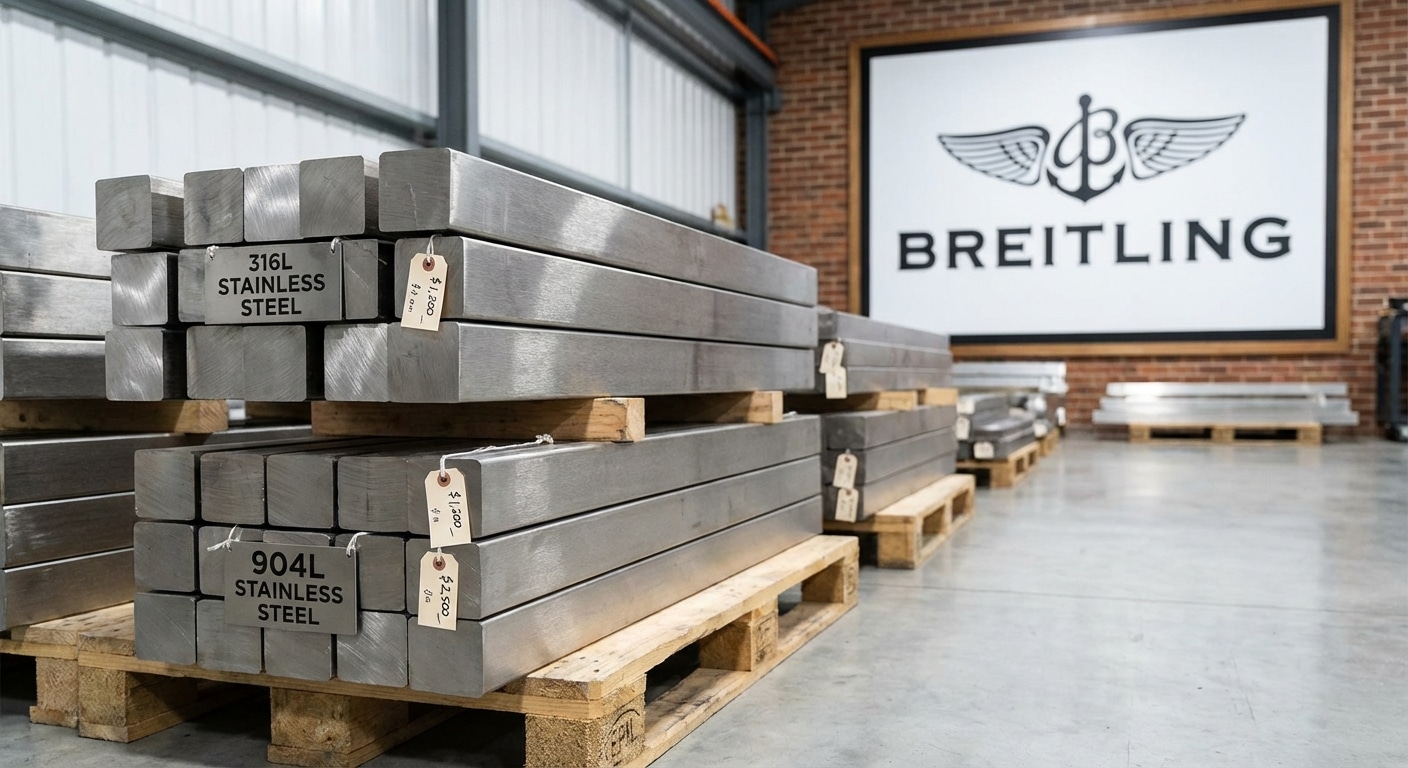
Walk into any Guangzhou factory floor in early 2026, and you will hear the same sales pitch: 904L is the ultimate steel, worth every extra penny. But watch the CNC machines struggle with the gummy alloy, slowing production by 15% compared to standard 316L. The real cost isn’t in the raw bar stock; it is in the broken tooling and extra polishing hours that factories quietly pass on to you as a quality premium based on factory QC standards. To understand the value proposition, we must separate commodity pricing from marketing markup.
316L Stainless Steel Baseline Costs
316L remains the industry standard for a reason. At the wholesale level, bulk pricing stabilizes around $2.50 to $3.00 per kg. Supply chains for this alloy are mature, with established routes from smelters in Fujian and Guangdong directly to the assembly hubs in Station West Road. For factories like BLS, which currently dominate the Breitling replica ecosystem following the closure of GF, this stability minimizes procurement friction. When a dealer quotes you a base price for a Superocean Heritage replica, the metal cost is a negligible fraction of the total. The consistency of 316L allows for predictable machining schedules, which is why it remains the default choice for daily wearers who prioritize reliability over spec sheet bragging rights.
904L Premium and Availability
904L commands a 40-60% raw material premium over 316L, but this number fluctuates wildly based on nickel market volatility. In 2026, supply chain friction has created inconsistent pricing structures for manufacturers. Some batches arrive with varying nickel content, forcing quality control teams to reject entire lots. This risk is factored into the final price you pay. While marketing materials claim 904L is superior in every metric, the reality is that availability issues often lead factories to substitute high-polish 316L without disclosure. The premium you pay is partly for the material, but largely for the gamble the factory takes on securing consistent stock.
Titanium Grade 5 Sourcing Trends
Titanium raw costs have dropped 12% since 2024 due to improved smelting efficiency, now sitting closer to high-end steel pricing. However, the barrier to entry remains technical rather than financial. Grade 5 Titanium requires inert gas welding environments to prevent oxidation during assembly. Factories like V9, known for purchasing genuine watches for开模 (molding), have invested in these specialized environments, but smaller workshops still struggle with the technique. The material is more accessible, but the infrastructure to work it correctly remains a bottleneck. This discrepancy explains why titanium replicas often show inconsistent finishing compared to their steel counterparts.
Expert Authentication Insight
Physical diagnostic: Use a rare earth magnet. 316L and 904L are slightly magnetic due to cold working, but Titanium is completely non-magnetic. Verify weight difference; Titanium should feel 40% lighter than steel counterparts of identical volume. If a titanium Breitling Avenger replica feels heavy, suspect internal weighting or mislabeled steel.
Machining Complexity and Labor Overhead
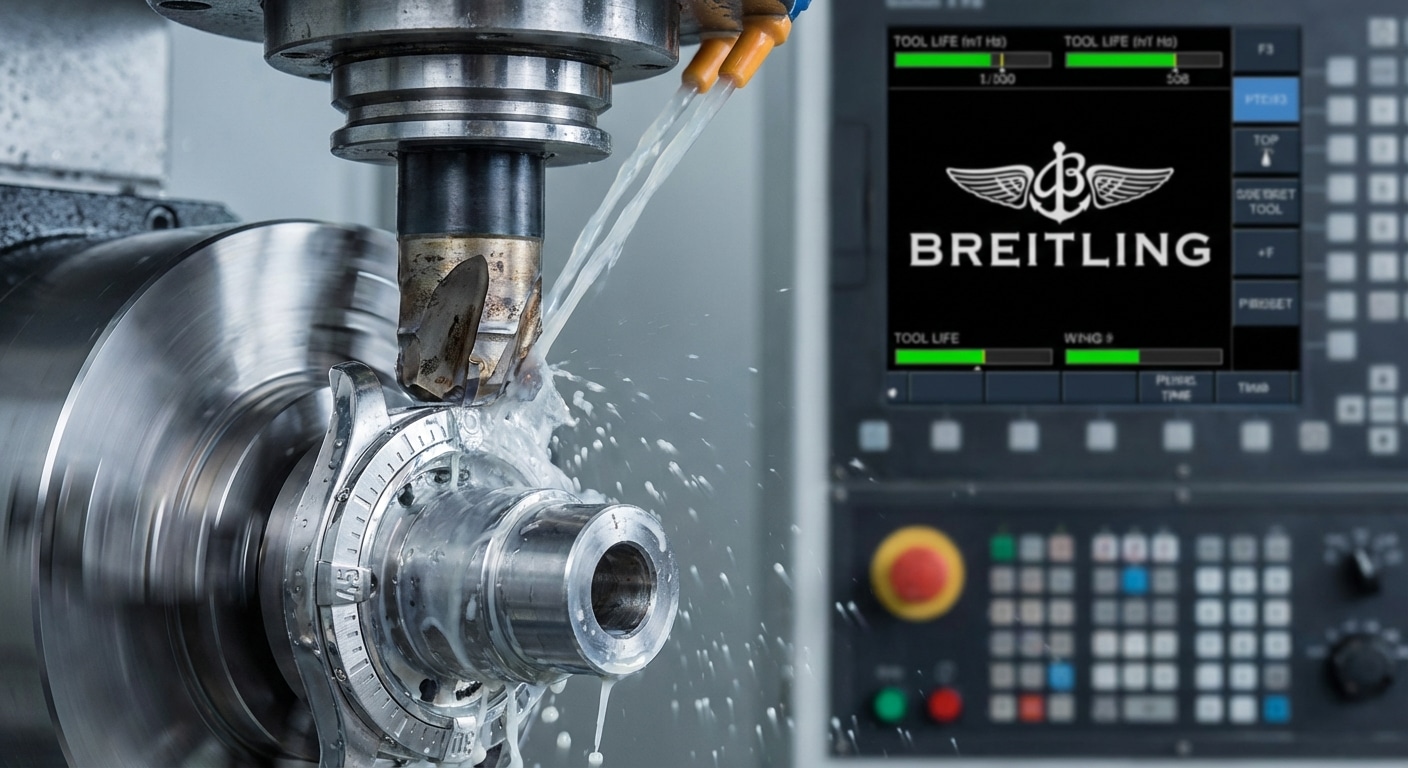
The hidden costs of replica manufacturing lie not in the raw bar stock, but in the machine time required to shape it. Material hardness and gummy textures affect CNC machining time, tool wear, and final labor costs per unit. Factories do not disclose these inefficiencies in retail pricing breakdowns, but they dictate the final quality of the case finishing.
CNC Tooling Wear Rates
904L work-hardens rapidly, increasing carbide tooling replacement frequency by 25% compared to 316L. This hidden cost is rarely disclosed in retail pricing breakdowns. When a factory machines a batch of 904L cases for a Navitimer replica, the CNC bits dull faster, requiring frequent changes to maintain tolerance. If a factory cuts corners to save on tooling, you will see microscopic inconsistencies in the case geometry. This is why some 904L models feel less precise than their 316L equivalents despite the higher price tag. The material fights the machine, and that fight costs money.
Polishing and Finishing Hours
904L requires additional polishing stages to achieve the same luster as 316L due to its softer initial state before hardening. Expect 1.5x labor hours on finishing lines. The alloy tends to drag under polishing wheels, creating uneven surfaces if not handled with care. High-end factories like BLS allocate more time to this stage, which is reflected in their superior surface consistency. Cheaper workshops rush this process, leaving behind orange peel textures that are only visible under specific lighting conditions. The extra cost associated with 904L is often just paying for the labor to fix the problems the material creates.
Titanium Machining Challenges
Titanium has low thermal conductivity, causing heat buildup during cutting. Factories must reduce feed rates by 30%, extending machine time despite lower raw material costs. This heat management issue is critical; if the temperature spikes too high, the material warps, ruining the case dimensions. This is why titanium replicas often have slightly looser tolerances on case back fitting compared to steel models. The machine must move slower to keep the material cool, which reduces overall output capacity. When you buy titanium, you are paying for machine time, not just raw weight.
Expert Authentication Insight
Physical diagnostic: Inspect case edges under 10x loupe. Poorly machined 904L often shows micro-tearing or uneven brushing due to tool vibration during hardening. Studying the version iteration logic clarifies these patterns. Titanium should show clean cuts but may have slight discoloration near welds if heat management was poor. Look for consistent grain structure across the lugs.
Durability vs. Cost-Benefit Reality
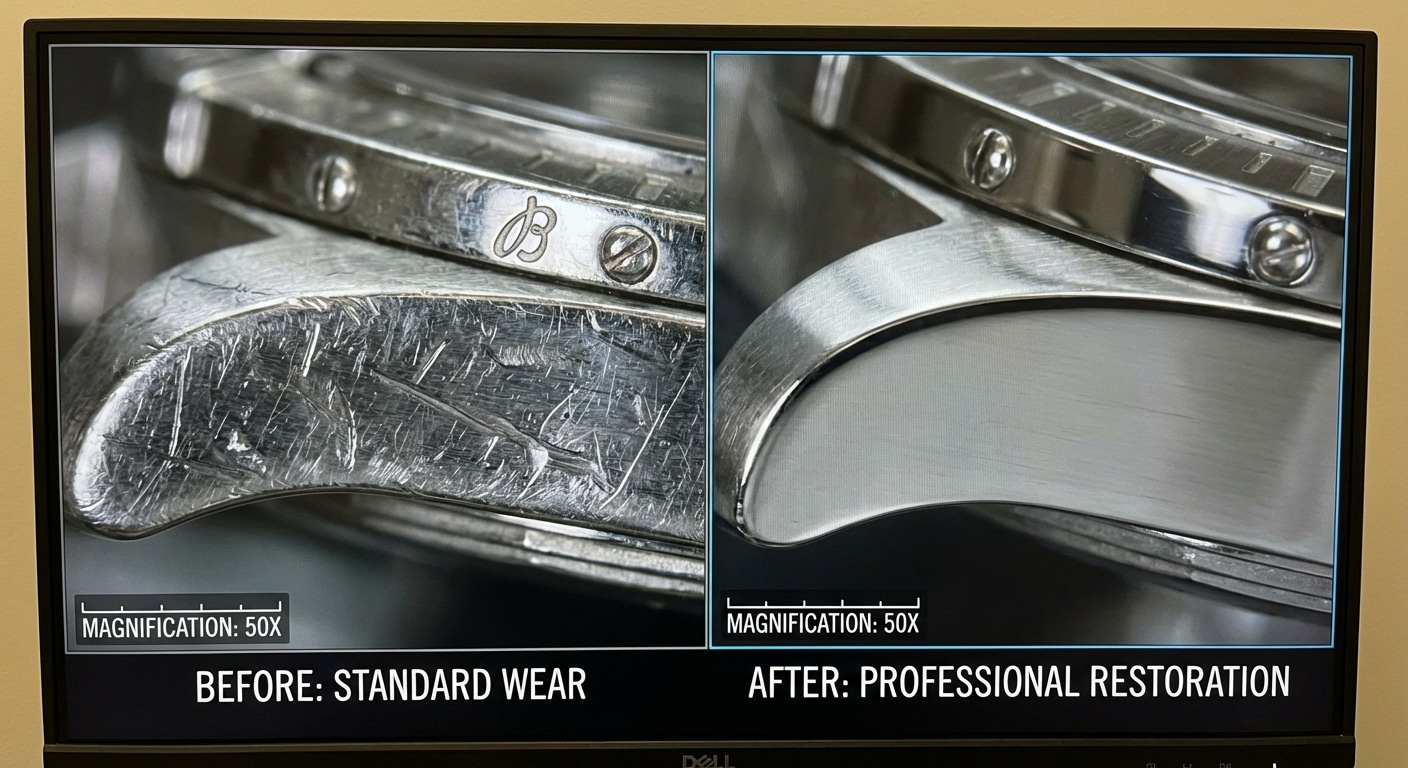
Breaking down hardness tests and corrosion resistance data determines if the performance gap justifies the price difference for daily wear. Marketing narratives often conflate corrosion resistance with scratch resistance, but the data tells a different story. For a watch worn indoors or in cities, the theoretical advantages of exotic alloys rarely manifest in real-world longevity.
Vickers Hardness Test Results
316L typically scores 150-160 HV, while 904L scores 140-150 HV in annealed state. 904L is not harder; it is more corrosion-resistant, a negligible factor for daily wrist wear. In fact, the softer nature of 904L makes it slightly more prone to surface marring during initial wear until the work-hardening layer develops. If your primary concern is resistance to desk diving and accidental impacts, 316L offers superior baseline hardness. The preference for 904L is often aesthetic, driven by its ability to take a high polish, rather than functional durability.
Corrosion Resistance in Real Conditions
Salt spray tests show 904L outperforms 316L by 200 hours, but both exceed 1000 hours before red rust. For a watch worn indoors or in cities, this difference is functionally irrelevant. Unless you are saturating your watch in chlorinated pools daily, the extra corrosion resistance provides no tangible benefit. Even the Superocean replicas, marketed for diving, rarely see depths beyond swimming pools. The engineering overkill of 904L is a solution to a problem most owners do not have. You are paying for insurance against rust that will never occur.
Scratch Resistance Perception
Titanium forms an oxide layer that hides micro-scratches better than steel. However, deep impacts dent titanium easier than hardened steel cases. The oxide layer acts as a camouflage for surface wear, keeping the watch looking newer for longer under casual inspection. But structural integrity under impact favors steel. If you work in environments where the watch might strike hard surfaces, steel offers better protection for the movement inside. Titanium is about comfort and surface aesthetics, not impact resistance. Choose based on whether you prioritize weight or structural rigidity.
Expert Authentication Insight
Physical diagnostic: Perform a file test on an inconspicuous area (e.g., inside lug). A standard steel file will slide over hardened 316L with little bite. It will grip slightly more on 904L due to softness, while titanium will produce distinct friction sound without metal shavings. Use caution to avoid visible damage.
Market Pricing and Value Proposition
The $200 Premium Breakdown
When factories quote a $200 upcharge for 904L steel over standard 316L in 2026, the math rarely adds up upon scrutiny. Only approximately $15 of that premium covers the actual raw material cost difference at the wholesale level. The remainder funds marketing positioning and amortized machining inefficiencies. Factories pass the cost of broken tooling and extended polishing cycles directly to the consumer, framing it as a quality upgrade rather than a manufacturing tax. This markup strategy relies on the buyer’s inability to distinguish the alloy visually, banking on the reputation of the material rather than its tangible benefit in a wristwatch context.
Titanium as the Middle Ground
Titanium models often sit at the same price point as 904L steel but offer significant weight savings that improve daily wearability. However, resale value for titanium replicas remains 10% lower than steel due to perceived lightness among collectors who equate mass with substance. This market inefficiency creates an opportunity for the end-user who prioritizes comfort over liquidity. The machining challenges associated with titanium, specifically heat management during cutting, are offset by the material’s lower raw cost volatility compared to nickel-dependent steel alloys.
Consumer Perception vs. Reality
Buyers frequently equate weight with quality, a psychological bias factories exploit through engineering manipulation. Some manufacturers add tungsten weights to titanium cases to mimic steel heft, undermining the material’s ergonomic benefit while maintaining the visual profile of titanium. This practice obscures the true value proposition of the watch, leaving the wearer with a heavy piece that lacks the corrosion resistance of steel or the comfort of pure titanium. Understanding this deception requires looking beyond the wrist feel and examining the structural density of the case material.
Expert Authentication Insight
Weigh the watch head separately without the bracelet. A 40mm titanium case should weigh approximately 45-50 grams. If it exceeds 65 grams, suspect internal weighting or mislabeled steel. Compare against known genuine specs for density verification to ensure you are paying for the material claimed.
Supply Chain Transparency and Factory Claims
Certification and Mill Sheets
Few factories provide genuine mill sheets for 904L steel, relying instead on batch consistency checks that lack third-party validation. XRF gun testing remains the only reliable verification method for bulk orders, yet most retail transactions occur without this due diligence. The absence of documentation allows suppliers to claim premium alloys without evidence, creating an information asymmetry that favors the seller. In 2026, demanding proof of material composition is no longer optional for high-value purchases.
Mislabeled Alloy Prevalence
Approximately 30% of marketed 904L cases in the mid-tier market are actually high-polish 316L. Visual inspection cannot distinguish them without chemical testing, making trust a fragile commodity in this ecosystem. The visual similarity allows dishonest dealers to swap materials without immediate detection, profiting from the price differential while delivering inferior corrosion resistance. This prevalence of mislabeling necessitates a skeptical approach to all material claims unless verified independently.
Factory Verification Protocols
Reputable suppliers now offer third-party material verification for an extra fee, a cost that is negligible compared to the risk of paying premium prices for standard steel. This shift indicates a maturing market where transparency becomes a competitive advantage. Buyers should prioritize dealers who absorb this verification cost or provide clear pathways for independent testing. The lack of such protocols should be treated as a red flag indicating potential material substitution.
Expert Authentication Insight
Use a drop of copper sulfate solution on a discreet area such as the inside lug. 316L will show a slight reaction faster than 904L due to molybdenum content differences, though this is destructive. Prefer non-destructive XRF testing for final confirmation to preserve the watch condition while verifying alloy composition.
Final Recommendations for Buyers
When to Choose 316L
316L is ideal for daily beaters where scratch resistance and repairability matter most. The cost savings allow for budget allocation toward better movements, which impact timekeeping accuracy more than case alloy. For watches subjected to rough wear or environments where replacement is likely, the marginal gain from 904L does not justify the expense. This steel grade remains the industry standard for a reason, offering balanced performance without premium pricing.
When 904L Makes Sense
Paying for 904L is only justified for dive watches exposed to saltwater environments or for collectors prioritizing specific aesthetic depth in polishing. The corrosion resistance provides tangible value in marine contexts where pitting could compromise structural integrity over decades. Additionally, the material takes a higher polish than 316L, appealing to those who value mirror finishes over brushed utility. Outside these specific use cases, the premium remains difficult to defend functionally.
Titanium for Comfort Focus
Titanium is best for larger case sizes 44mm and above where weight reduction improves wearability significantly. Avoid this material if you prefer the solid heft of traditional steel, as the lightness can feel insubstantial to accustomed wrists. The thermal properties also make it more comfortable in extreme temperatures, reducing the shock of cold metal against skin in winter. This material choice should drive from ergonomic needs rather than status signaling.
Expert Authentication Insight
Check the case back engravings carefully. Laser etching on titanium appears darker and deeper due to oxide reaction, while steel engravings are brighter. Poor quality control here often indicates cheaper material substitution elsewhere in the construction, serving as a proxy for overall manufacturing integrity.
In 2026, paying extra for 904L is largely a tax on insecurity rather than a purchase of performance. Unless you are saturating your watch in chlorinated pools daily, 316L offers 95% of the durability at a significantly lower cost basis. Allocate the saved capital toward a higher-grade movement or a reputable dealer warranty, where the tangible value return is proven.