
If you are reading this, you are probably not new to the idea of a super clone Omega. You already know the difference between casual replicas and higher-tier pieces, yet the buying process still feels messy. Prices jump without clear reasons, sellers repeat the same confident language, and every option claims to be the one worth your money. This buying guide exists to cut through that noise and help you avoid overpaying for the wrong reasons.
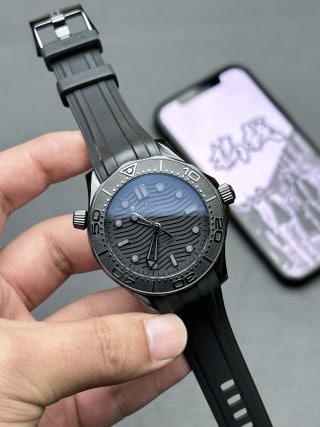
The market around super clone Omega watches has matured, but it has also become more confusing. Terms get recycled, standards blur, and many buyers end up relying on surface impressions instead of real decision points. This guide does not push you toward a purchase. It gives you a clear decision map so you can judge whether a specific watch, price, or seller actually makes sense for you.
Instead of repeating marketing claims, this super clone Omega buying guide focuses on how people really buy, compare, and regret these watches over time. The goal is simple: help you understand what matters, what does not, and where most buyers lose money without realizing it. Whether you move forward or walk away, you should do so with clarity rather than pressure.
What This Buying Guide Covers — and What It Doesn’t
What This Guide Helps You Decide
This guide is designed to support a real buying decision, not to impress you with technical depth. It helps you decide whether a super clone Omega is actually worth buying in your situation, based on how these watches perform and age in everyday use. It also clarifies what qualifies as a true super clone Omega, separating minimum standards from inflated labels. Many buyers struggle to tell where genuine quality ends and marketing language begins, and this guide addresses that gap directly.
You will also learn how to choose a super clone Omega without defaulting to price alone. Understanding why two similar-looking watches can cost very different amounts often changes how buyers evaluate value. Most importantly, the guide helps you identify which claims are meaningful and which ones exist mainly to justify higher pricing, allowing you to approach the purchase with realistic expectations.
What This Guide Does NOT Cover
This guide does not dive deeply into Omega movement details or technical schematics. Movement architecture and part-level analysis deserve focused attention and are better explored separately. It also does not attempt to provide a final model comparison or rank specific references against each other. Model preferences depend heavily on wear habits, aesthetics, and personal priorities that no single page can resolve.
If your next step is understanding movement behavior or comparing individual models side by side, dedicated technical and model-focused hubs will serve you better. This page stays intentionally centered on decision logic, so you know when deeper research is necessary and when it is simply a distraction from making a clear, confident choice.
What Defines a “True” Super Clone Omega
Super Clone vs Regular Replica: The Real Differences
The difference between a true super clone Omega and a regular replica is not about labels or promises. It comes down to whether the watch crosses a clear baseline of consistency in real use. A regular replica may look acceptable at first glance, especially in controlled photos or quick wrist shots. Over time, small mismatches begin to surface through daily wear, lighting changes, and closer handling. These gaps add up and shape the ownership experience.
A true super clone Omega meets a minimum threshold where those issues stop dominating your attention. The watch does not rely on novelty or first impressions alone. Instead, it maintains coherence in shape, layout, and behavior after weeks of wear. Many replicas fail this test, even if they are advertised confidently. The term super clone only applies when a watch consistently clears that threshold, not when it merely looks impressive once.

Key Quality Factors That Actually Matter
Case Shape, Proportions, and Finishing
Case quality is less about polish techniques and more about silhouette discipline. When worn over time, the overall shape either feels right on the wrist or it does not. A strong Omega clone case quality shows up in how the watch sits, how the lugs flow into the strap, and how the profile reads from different angles during normal movement. If the proportions drift, the watch feels off long before any detail inspection begins.
This is usually noticed after repeated wear rather than on day one. The watch either integrates naturally into daily habits or constantly reminds you that something feels slightly wrong. That reaction matters more than any isolated surface treatment.
Dial Details, Markers, and Lume Consistency
Dial quality reveals itself in stages. At first glance, most replicas appear convincing under neutral lighting. Over time, differences emerge through changing environments, indoor shadows, and brief glances rather than careful inspection. Omega clone dial details that hold up well maintain balance when you are not actively trying to evaluate them.
Markers that stay visually aligned and lume that ages evenly reduce mental friction during ownership. When a dial requires constant rationalizing, the illusion breaks. The difference between acceptable and convincing often lives in these subtle, repeated moments rather than dramatic flaws.
Movement Reliability (Not Brand Names)
Movement reliability matters less in theory and more in lived experience. A watch that keeps stable time, winds smoothly, and behaves predictably during daily routines earns trust regardless of its branding. Omega clone movement reliability should be judged by consistency over weeks, not by the name attached to the mechanism.
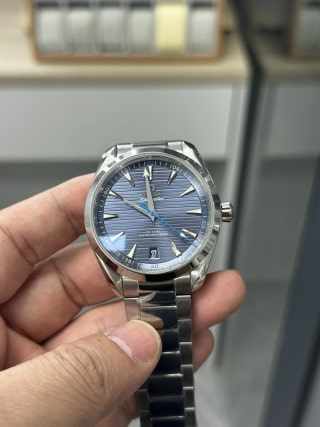
Many buyers overvalue labels while underestimating long-term behavior. This guide avoids deep technical breakdowns for that reason. Understanding how movements perform over time is better handled in a dedicated technical guide, where reliability can be evaluated without marketing distractions.
Factory Tiers Explained — Why Prices Vary So Much
Entry-Level, Mid-Tier, and True Super Clone Factories
Price differences in this market rarely come from a single upgrade. They reflect how factories operate over time and where they choose to spend effort. When viewed through Omega clone factory tiers, the landscape becomes easier to understand. Entry-level factories focus on speed and volume. Their watches often look convincing early on but show uneven execution once worn regularly, especially when lighting or handling changes.
Mid-tier factories improve consistency in visible areas, reducing obvious issues without fully closing the gap. These watches tend to feel acceptable for casual use but still reveal compromises after extended ownership. True super clone factories operate with a narrower tolerance for deviation. They spend more time aligning shapes, layouts, and assembly behavior, which slows production and raises cost. That difference in process, not marketing language, explains most of the super clone price difference.
Understanding tiers shifts the question from “which factory is best” to “which level actually matches my expectations.” Once framed this way, pricing starts to feel more predictable rather than arbitrary.
Why “Too Cheap” Is Almost Always a Red Flag
Extremely low pricing rarely reflects efficiency alone. In most cases, it signals that standards were reduced somewhere that is not immediately visible. A fake super clone Omega often borrows the language of higher tiers while quietly skipping the work that makes long-term ownership tolerable. Buyers usually notice this only after the initial excitement fades.
Avoiding Omega replica scams does not require suspicion toward every seller. It requires recognizing that genuine super clone production has real costs that cannot be eliminated. When a price feels dramatically lower than the market range, the gap usually appears later as frustration, repairs, or resale loss. Rational expectations protect you better than chasing short-term savings.
Common Buyer Mistakes First-Time Omega Clone Buyers Make
Confusing Marketing Terms With Actual Quality
One of the most common Omega replica marketing tricks is treating language as proof. Words like “top tier,” “ceiling level,” or “Swiss movement” sound reassuring, especially when repeated across multiple listings. In real buying situations, these terms often describe intention rather than outcome. They rarely explain how the watch behaves after weeks of wear, when novelty wears off and small inconsistencies start to matter.
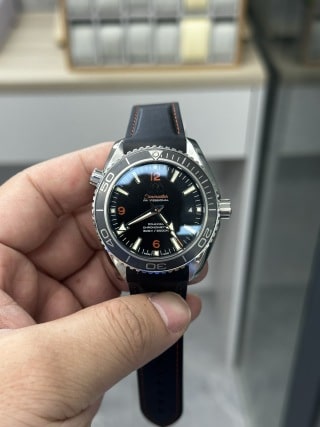
Buyers who rely on language instead of thresholds tend to justify issues rather than notice them early. A clearer approach is asking whether the watch consistently meets practical standards in shape, dial behavior, and reliability. When marketing terms replace observation, disappointment usually follows, even if the watch looked impressive at first.
Choosing Based on Photos Alone
Photos are designed to compress reality into a controlled moment. Lighting, angles, and selective focus hide the conditions where most flaws appear. An Omega clone review mistake often starts when buyers assume visual similarity equals real-world consistency. The gap shows up during normal routines, such as checking the time quickly or wearing the watch in mixed lighting throughout the day.
Real evaluation happens through use, not inspection. Reviews that discuss wear over time, comfort, and small behavioral details provide far more value than polished images. Photos can start the conversation, but they should never end it.
Who a Super Clone Omega Is (and Is Not) For
Buyers Who Will Appreciate a Super Clone Omega
A super clone Omega tends to suit people who value restraint and clarity. Business professionals often appreciate watches that blend into daily environments without drawing attention or requiring explanation. Rational collectors also fall into this group, especially those who enjoy understanding quality boundaries without chasing status or novelty.
For these buyers, ownership is about quiet satisfaction rather than display. Knowing why a watch works for them matters more than convincing others. This mindset aligns well with what higher-tier clones actually offer.
Buyers Who Probably Shouldn’t
Some buyers approach replicas expecting instant validation or emotional payoff. If the question “is Omega replica worth it” depends entirely on external reactions, the experience often disappoints. Those seeking prestige, social signaling, or flawless perfection usually find the compromises harder to accept.
Impulse buyers also struggle here. Without patience for research or tolerance for nuance, small imperfections feel amplified. Walking away can be the better decision in those cases.
How to Move Forward After Reading This Guide
If You Want to Compare Specific Models
If your interest has narrowed to particular references, a dedicated models comparison hub can help you weigh differences without losing sight of practical trade-offs.
If You Want to Understand the Movements First
If reliability and long-term behavior matter most, exploring a focused movement technical guide provides clarity without sales language or surface claims.
If You’re Ready to Explore Available Super Clone Options
If you feel aligned with what a super clone Omega offers, browsing available categories can be a logical next step. Treat it as exploration, not commitment, and apply the same standards you now understand.
A super clone Omega is not about whether you buy, but whether you understand what you are buying well enough to decide for yourself.