
Why Real-World Super Clone Watch Reviews Matter More Than Studio Photos
The Problem With Perfect Factory Pictures
You’ve probably seen those flawless studio shots on Telegram — glass-smooth bezels, razor-sharp markers, and a dial so clean it almost looks animated. Many buyers screenshot a picture like that, send a payment, and wait with a racing heart. Then the box arrives. The color tone is slightly different, the brushing runs in a strange direction, the rehaut doesn’t line up as confidently as the photo suggested. Nothing is “wrong,” yet the watch just feels off the moment it hits the wrist.
Studio photos hide the things that matter most in real life: the direction of brushing on the case, how the edges are rounded (or not), the thickness that only becomes obvious from the side, and the way lume actually glows after a few seconds — not in a one-second exposure trick. A factory catalogue image is designed to sell you a watch, not prepare you for how it behaves in your hands.
We’ve lost count of how many times a watch looked “perfect” in photos but felt wrong the moment we put it on the wrist.
What We Try to Show in Every Super Clone Watch Review
Real-world photos do the opposite of what studio photos do. They expose the things that will matter when the watch is actually on you. In our super clone watch reviews, we shoot in daylight, indoor light, and low light, because each environment changes the personality of a watch. We show the side profile to reveal thickness, how the lugs sit against different wrist sizes, and how a polished edge catches normal light — not spotlight magic.
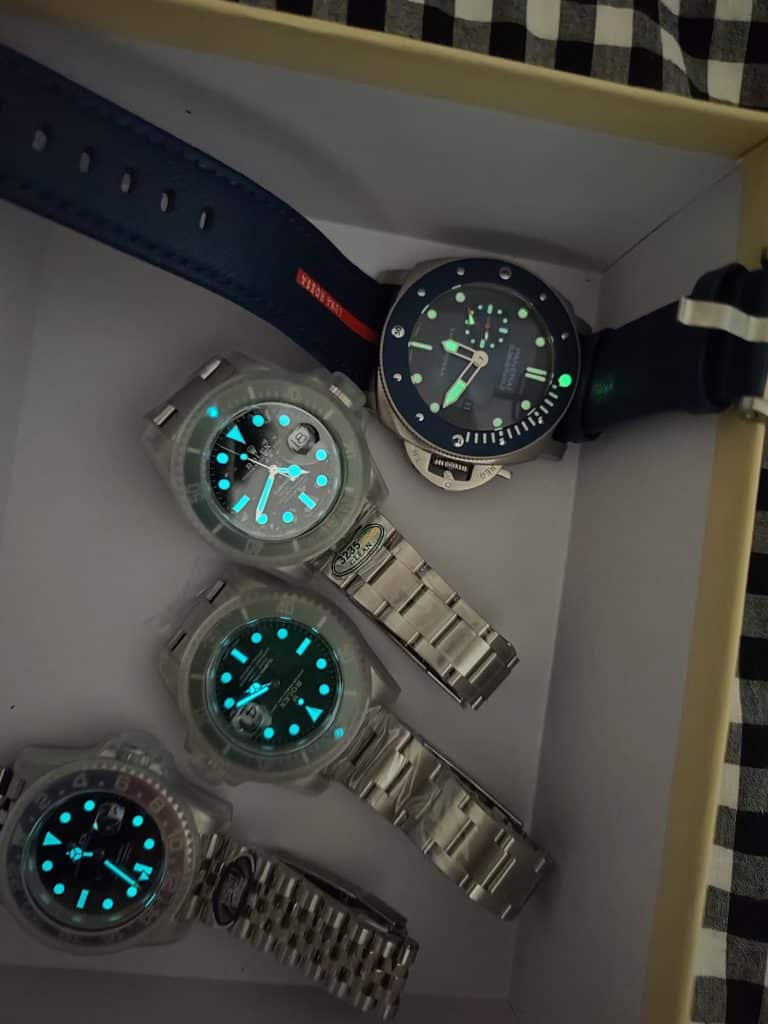
You’ll also notice we include real lume decay, not just a bright “ghost-green exposure” that factories love to post. (Insert your night-shot image here — after 5–10 seconds of glow).
Most people obsess over the logo or the crown shape when they shop. But when you’re actually wearing a clone, that’s not what gives it away. If you only stare at the logo, you’ll miss the things that betray a clone from two meters away. Texture, color, brushing, thickness — these decide whether you enjoy the watch or spend the day worrying someone might notice.
How to Read Our Super Clone Watch Reviews (Without Fooling Yourself)
What We Focus On – and Why
When we write a review, we start from the same place you do: how the watch looks on a real wrist at normal distance. At about fifty centimetres, you see dial balance, bezel colour, and how the case shape fits the arm. At two metres, you only see the overall presence. Our super clone watch reviews always try to answer both questions: “Does it look right up close?” and “Does it pass as the right watch from across the room?”
Then we think about touch. Sharp edges on the clasp, a bracelet link that bites, or a crown that grinds when you wind it — these are things you will feel every single day. We pay attention to case edges, bracelet finishing, and how solid or hollow the watch feels when you move your wrist. These details matter more in daily life than one tiny logo alignment that only shows up in macro shots.
Finally, we look at time behaviour in a normal, honest way. We do not pretend to run a lab. Instead, we wear the watch, check how many seconds it gains or loses, and note any strange behaviour when you set the time or use the chronograph. The rating you see in our reviews is not for “perfect 1:1 cloning.” It is for real-world wearing: how the watch looks, feels, and runs when you actually live with it.

What We Don’t Promise in Any Review
There are a few expectations we want to kill early, because they always lead to disappointment. We do not promise that every single watch will match the photos pixel by pixel. Different batches, different light, and small factory changes mean there will always be minor variation. That is the reality of this grey market, not a bug we can magically remove.
We also do not promise “the best version on earth” or a watch that no expert can ever question. If you need legal peace of mind, full brand support, and zero doubt in your head, a super clone is the wrong product from the start. We sell watches, so of course we want you to buy. But if you need something legally clean or emotionally “perfect”, a super clone will never be that, no matter who you buy from.
Customs, payments, and borders add another layer of risk. We do our best with packing, routing, and advice, yet we cannot guarantee that every parcel will slide through every country’s system without questions. What we can offer instead is transparency before you pay. Before shipping, we will either video call you to inspect the actual watch in our hand, or record a video under your requested angles and send it over. You see the real piece, with its real strengths and real flaws, and then decide if you still want it.
Our Simple Rating System (And What the Numbers Really Mean)
Our rating system is there to help you focus, not to create a new obsession. We usually break our judgement into three simple ideas: how the watch looks on the wrist, how the build feels in the hand, and how the movement behaves over time. A high “looks” score means it passes the two-metre test and still feels convincing at half a metre. A strong “build” score means the case, bracelet, and clasp feel close to what the design deserves. A good “movement” score means the watch keeps time within a range that makes sense for daily wear. If you see an eight out of ten, it does not mean you must hunt for a hidden ten. It means this particular piece already clears most of the doubts for most real-world situations. Sometimes a seven with a lower price and lower risk fits a buyer better than a “higher score” piece that will make them nervous at customs. Numbers are a tool, not a promise.
The goal of our super clone watch reviews is not to push you towards the most expensive or highest-rated option. The goal is to give you enough clear, honest information so you can match the watch to your budget, your tolerance for risk, and your own standards. The final decision should feel like yours, not ours, and not the factory’s.
Super Clone Rolex Reviews – On-Wrist, In Daily Light
Sports Models – Submariner, GMT-Master, Daytona
If you ask us where Chinese super clone Rolex watches are most mature, the answer is simple: sports models. Submariner, GMT-Master and Daytona have been copied for so many years that factories know every curve and proportion by heart. On the wrist, a good Submariner or GMT clone already feels “right” at two metres away. The case shape, bezel stance and bracelet flow are usually the strongest parts of these watches in our super clone Rolex reviews.

The weak points hide in smaller details. Bezel font thickness, the exact ceramic colour, how the platinum-style filling catches light, and on the Daytona, how the pushers feel when you start and reset the chronograph. These are things you only notice when you wear the watch, press the buttons and glance at the dial a hundred times in one day. That’s why, under this section, we group all our Submariner, GMT-Master and Daytona on-wrist reviews together — so you can jump from one real-world example to another and see how each factory version behaves, not just how it looks in a studio shot.
Classic & Everyday – Datejust, Day-Date, Explorer, Air-King
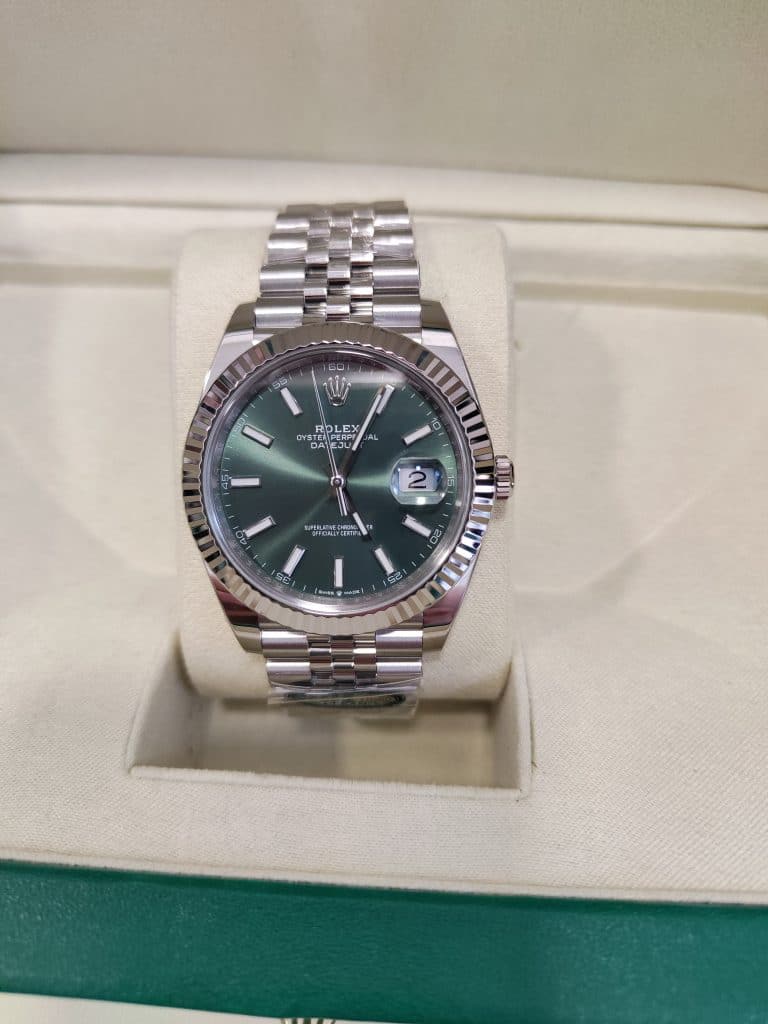
The classic side of Rolex lives in the grey zone between “dress” and “daily”. Datejust, Day-Date, Explorer and Air-King are not shouting pieces. They sit under a shirt cuff, go to the office, to dinner, to family gatherings, and most people will only register them as “a nice watch”. For this group, the real question is not “Is the coronet 100% microscopic perfect?” but “Does this watch blend into my life without drawing the wrong kind of attention?”
In our super clone watch reviews for these models, we pay more attention to dial colours, index shape, bracelet comfort and how the watch wears over a long day at work. An Explorer that feels too thick or an Air-King with odd dial printing will bother you far more than a tiny rehaut detail you only see in macro. If you want something that disappears under a shirt cuff and doesn’t scream “look at me”, these are the reviews you should start with. Under this section, we link all our Datejust, Day-Date, Explorer and Air-King on-wrist articles, so you can compare how each reference handles normal light, normal clothes and normal distance.
More Special Models – Sky-Dweller, Yacht-Master and Others
Then there are the “special” Rolex pieces: Sky-Dweller, Yacht-Master, and a handful of less common references. On paper, they look amazing in clone form. In reality, they are much more demanding. Complicated dials, fluted bezels with specific light behaviour, rubber-style straps, and unusual case metals all add more places for the illusion to break. A Sky-Dweller that looks sharp in a factory photo can feel surprisingly busy or unbalanced once you see it on your own wrist.
Because of that, we are more careful in this section. We only recommend a few of these. If a model is missing here, it’s usually because we don’t like how the super clone looks or behaves in real life. The pieces you do see linked under this heading are the ones we’ve actually handled, worn and felt comfortable showing to people who know what they’re buying. Our goal is not to fill every gap in the catalogue, but to give you a realistic short list of special models that can still make sense in daily light, not just in screenshots.
Other Brand Reviews – Omega, AP, Patek, RM and More
Omega Super Clone Watch Reviews
Outside Rolex, Omega is usually where super clone makers try to show they can handle modern materials. Lume, ceramic cases and bezels, and those deep blue dials are the first things we look at. A good Omega clone has a clean, even glow that doesn’t die in ten seconds, a ceramic surface that doesn’t look plasticky, and a blue that stays calm in daylight instead of turning electric under the sun. Bracelet quality is another big filter: if the clasp feels tinny or the links rattle, you will notice it every time you reach for a door handle.
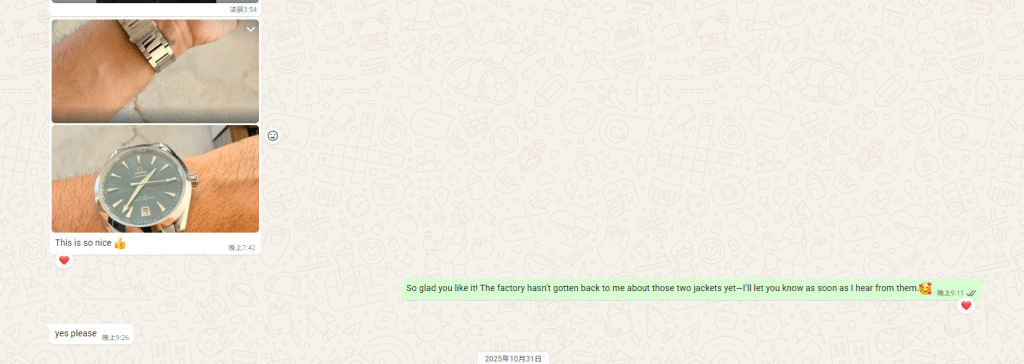
In our Omega super clone watch reviews, we group together the models that survive these tests. If you’re new to the brand, we usually suggest starting with the cleaner, time-and-date pieces before diving into chronographs or bright-coloured special editions. Under this section you’ll find the on-wrist reviews we think are most honest for daily wear: the ones where we liked the watch enough to wear it for a few days, not just long enough to take a few pretty photos.
AP & Patek – When the Case Shape Matters More Than the Logo
For Audemars Piguet and Patek Philippe, the logo is almost the least important part. Royal Oak and Nautilus cases are all about angles, brushed planes and razor edges that flow into each other. On photos, many of these super clones look impressive. Factories know how to catch one good angle with good lighting. On the wrist, a bad case shape shouts “fake” louder than any dial typo ever will. If the bezel is too thick, the brushing too coarse, or the transition between surfaces is soft instead of crisp, you feel it right away.
That’s why our AP and Patek reviews talk more about case geometry and bracelet feel than they do about microscopic dial print. We describe how the watch sits on the wrist, how the bracelet drapes when your hand hangs down, and whether the watch feels like a clean line drawing or a rough sketch when you look at it from the side. In this section, we link to the Royal Oak and Nautilus style reviews where, in our view, the case and bracelet are convincing enough that you won’t spend the whole day staring at your own wrist trying to decide what feels wrong.
Richard Mille & Others – Where We Are Careful
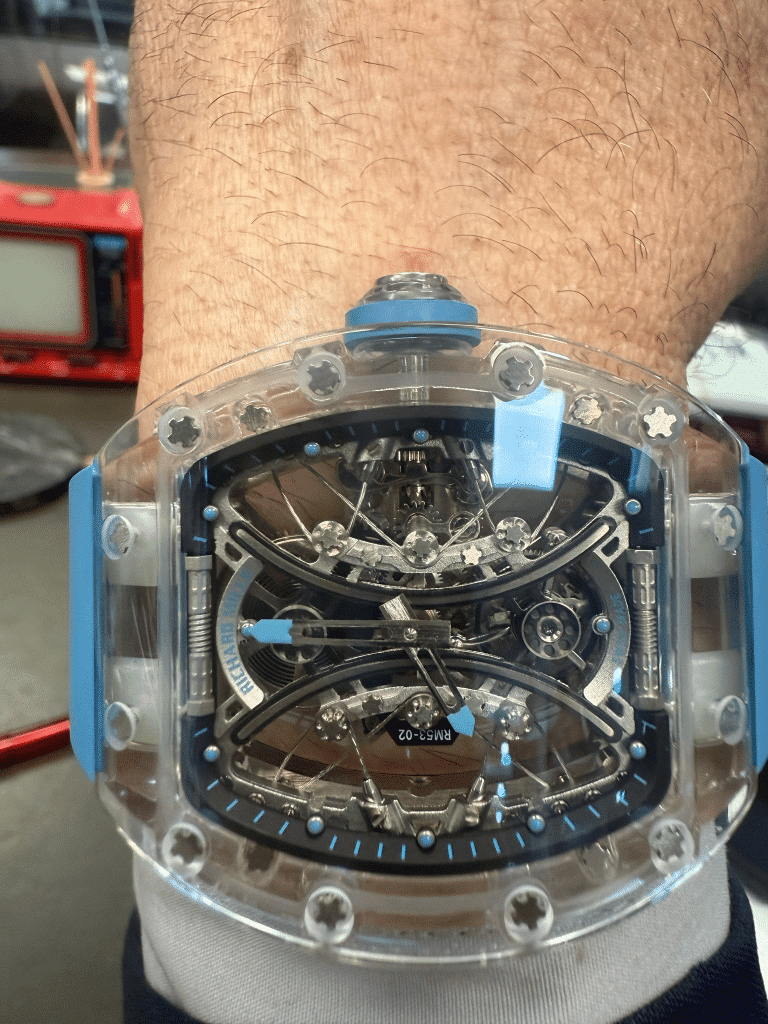
Richard Mille and similar “skeleton, technical, see-through everything” designs are where we become very cautious. These watches rely on complex shapes, layered cases, floating bridges, and a lot of exposed hardware. In clone form, that means a lot of places to cut corners: uneven skeleton work, odd proportions, fake-looking screws, and tourbillon-look openings that don’t quite match what the eye expects. On the table, under strong light, they can still look dramatic. On the wrist, the illusion often collapses much faster than with simpler designs.
We do write super clone watch reviews for RM-style and other exotic models, but often to show you why we hesitate, not to push you to buy. When a piece ends up in this section, we try to be very clear about what feels off: weight, balance, finishing, or simply the feeling that the watch is trying too hard. If a model from this category is completely missing here, it’s usually because we’ve seen it, handled it, and would rather not recommend it at all.
Side-by-Side Comparisons – Batches, Factories and Price Levels
Same Model, Different Factories – VSF, Clean, ZF and Others
People love to talk about factories as if they were football teams. One week VSF is a god, the next week everyone swears only Clean is worth buying. We try to stay out of that game. When we do side-by-side super clone watch reviews, we put the same model from different factories on the table, on the wrist, and under the same light. Then we ask simple questions: which bezel font looks more natural, which ceramic colour feels closer to what we’ve seen on genuine pieces, which bracelet feels solid instead of hollow or sharp? Take a Submariner as an example. One factory might nail the bezel engraving but cut corners on bracelet finishing. Another might get the case profile right but use a weaker clasp. Sometimes the “famous” factory isn’t the one that wins in your specific lighting, wrist size or budget. Under this section, we group all the same-model comparisons so you can see for yourself where VSF, Clean, ZF and others really differ, not just repeat what a Telegram group said last month.

Old vs New Batches – What Really Changed
“New batch” is one of the most abused phrases in this world. Every few weeks, someone announces a big update: better dial, better lume, better case, better everything. In reality, some batches do improve in ways you can feel, and some are mostly a new sticker and a new line of text in an ad. Our job in these comparison reviews is to slow things down and show you what actually changed.
When we put an older batch next to a so-called new batch, we look at specific details: print sharpness, colour tone, date window shape, bezel action, case thickness, and how the watch wears through a day. Sometimes the new batch really fixes a problem, like off-white lume or a weak clasp. Sometimes the difference is small enough that it makes no sense to pay a big premium just to say you have the latest version. In this section, we link the reviews where we’ve had both batches in hand, so you can see where the update is meaningful and where it’s just marketing noise.
When a Cheaper Clone Is ‘Good Enough’
Not every buyer needs or even benefits from the “top” version. There are situations where a well-chosen cheaper clone does the job better than a painful, over-budget purchase you’ll be scared to wear. If you are buying a gift for a friend who will never put the watch next to a genuine piece, or if you are a light user who wears it on weekends and doesn’t care about microscopic flaws, a solid mid-tier clone can make far more sense.
In these comparison pieces, we try to be honest about that. We show a higher-end version next to a cheaper one and ask: from fifty centimetres away, does the difference really justify the extra money? From two metres away, can anyone tell? How does the cheaper one feel on the wrist over a full day? If your friend will never put your watch next to a genuine one, a well-chosen mid-tier clone can make more sense than a painful “best of the best” purchase. Here we group the reviews where we think “good enough” is not a compromise word, but a realistic match between the watch, the price and the way it will actually be worn.
Real Shots Gallery – No Filter, No Studio Tricks
Daylight Wrist Shots and Daily Wear
Most of our real shots start in the same simple way: a normal wrist, normal clothes, and daylight that you would actually live in. We usually note our wrist size in each post and shoot from a few fixed angles — straight on, slightly above, and from the side while the arm is relaxed. The background is often a desk, a coffee table, a car interior, or a street corner, not a black void with three studio lights. It isn’t glamorous, but it’s the world you’ll really wear the watch in.
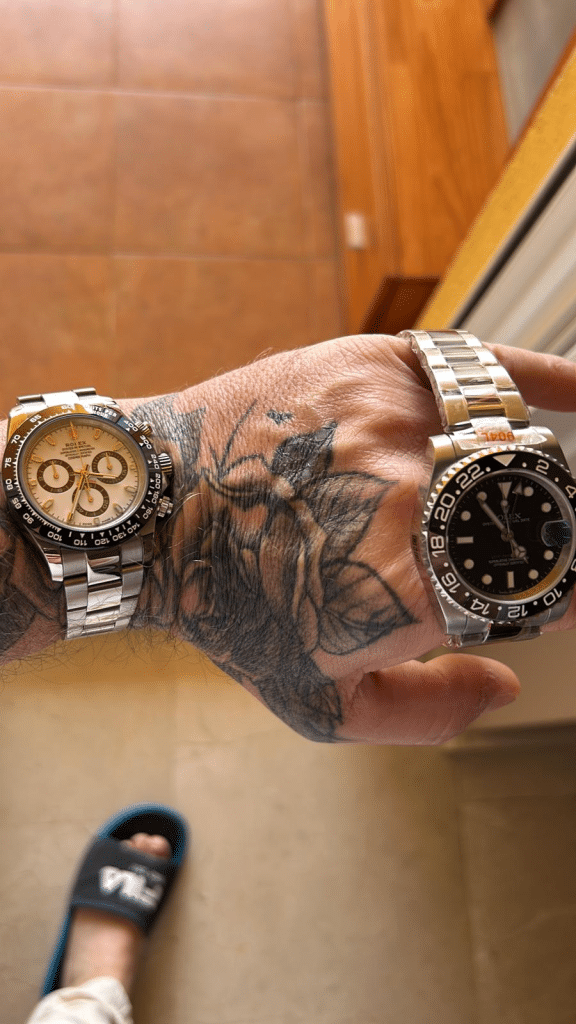
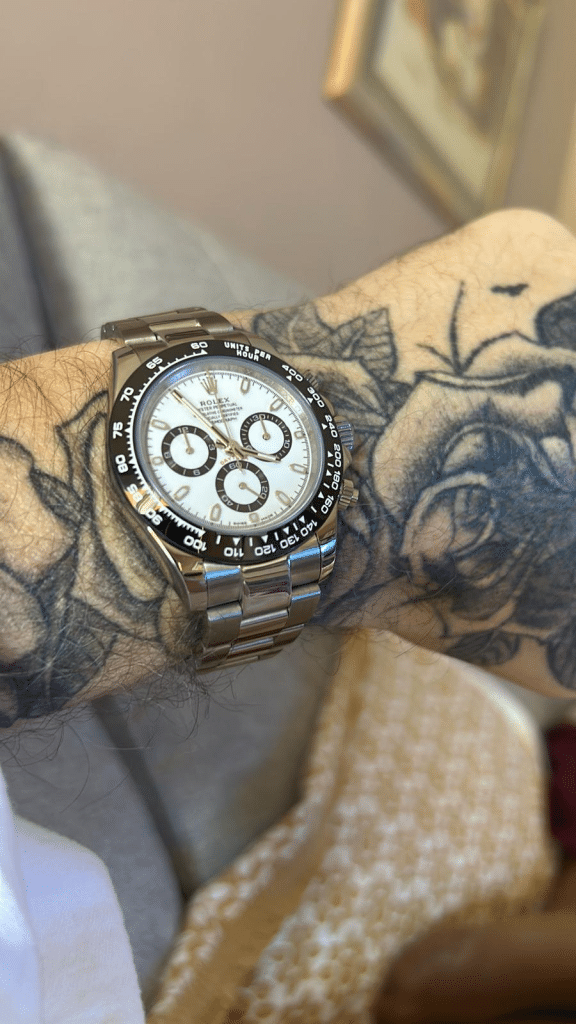
These daylight wrist shots are there so you can judge proportions and presence without any tricks. You see how the case fills the wrist, whether the bracelet looks tight or flows naturally, and how the dial colour changes between shade and direct sun. A watch that looks aggressive in a dark studio photo may feel much calmer on a real arm in soft light, and sometimes the opposite is true. Looking through this gallery will tell you more about whether a piece fits your life than any catalogue photo ever will.
Macro Shots – Dials, Hands, Rehaut, and Edges
Next to the wrist shots, we include what we call the “cruel photos”: close-ups of dials, hands, rehaut and case edges. Under macro, even the best super clones show their human side. You’ll see how clean the printing really is, how the lume is filled in each marker, whether the hands are straight, and how the polished edges transition into brushed surfaces. Tiny dust, micro-scratches and small alignment quirks all show up at this distance.
The following is a super clone log video shot at extremely close range.
We don’t post these macro shots to embarrass the watch or to act like inspectors in a lab. Macro shots are not here to make the watch look bad, but to show you what you are really paying for. Some people are perfectly happy with a few rough spots they will never notice in daily wear. Others care deeply about these details and would rather know before they send money. This section of the gallery lets you decide which type you are, without any seller hiding behind soft focus.
Lume and Night Shots – Reality, Not Fantasy
Finally, we always try to show the truth about lume. Instead of one dramatic one-second exposure where everything glows like a torch, we take a simple approach: charge the watch briefly, then shoot it as the glow fades in real time. You’ll see the initial brightness, the colour tone, and how quickly things calm down after a minute or two. Some clones hold a soft, readable glow for a long time; others start strong and die fast. Both look “perfect” in factory photos, but they behave very differently at night.
We also mix in photos from real evening situations — a dim restaurant, a car cabin, a bedroom with the lights off — so you can imagine how the watch would work in your own routine. If you work night shifts or care about lume, read these reviews before you pick a factory, and pay attention to the night shots in this gallery. They will tell you much more about the watch than any overexposed “ghost green” picture ever could.
How We Take Photos and Why That Mattershots Gallery – No Filter, No
Our Wrist, Our Camera, Our Light
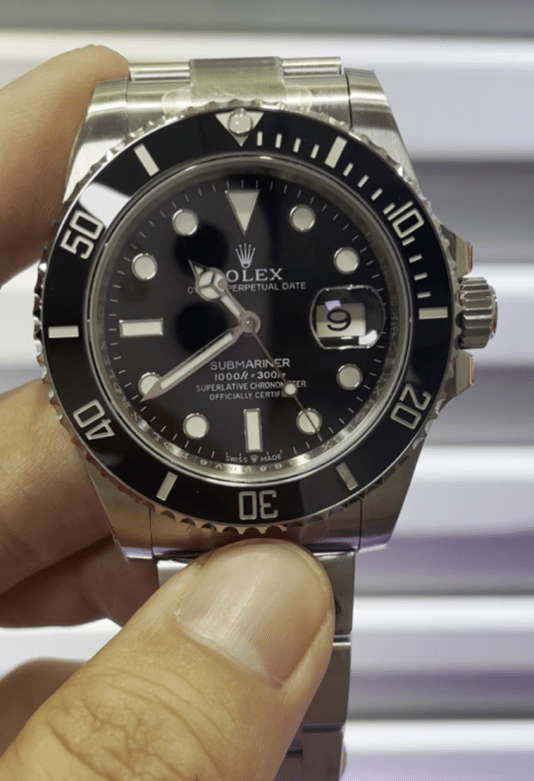
Most of the watches you see on this site are shot on real, average wrists — usually around 16–17 cm — not on a model’s perfectly flat arm. In many reviews we’ll mention the wrist size in the text, so you can do a quick mental swap: “my wrist is bigger / smaller, so the watch will sit a bit differently on me.” Sometimes we also borrow a larger or smaller wrist for comparison, just to show how the same case changes mood on different arms. For the camera, we mostly use modern phones and a simple handheld setup. No tripods, no softbox walls, no complicated filters. The light is whatever you actually live in: morning daylight by a window, office or shop lighting, car interior, evening room lamps, sometimes street light. That is why our shots are not always “perfect”, but they are honest. The goal is for you to look at our super clone watch reviews, then look at your own wrist, and feel that the gap between the two is as small as possible. These details about wrist, camera and light are there so you can translate our photos into your reality, not chase a studio fantasy.
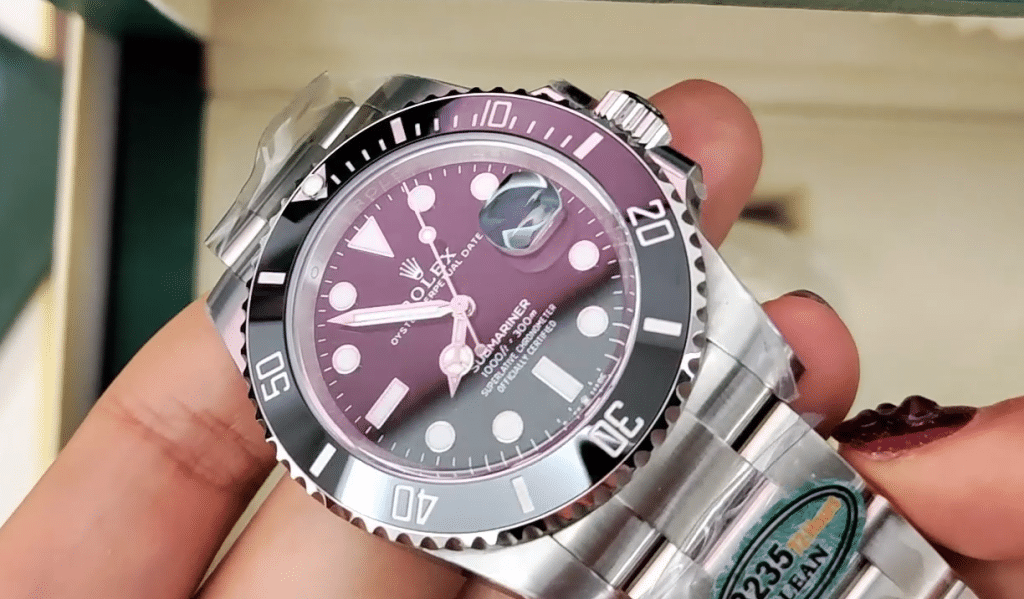
Things Photos Can’t Tell You – Weight, Timing, Long-Term Wear
Photos, even honest ones, have hard limits. A picture can’t tell you how the watch pulls on your wrist after eight hours at a desk, or how it feels when you swing your arm quickly and the bracelet shifts. It can’t show the exact moment you notice that the case is slightly top-heavy, or that the clasp edge rubs the same spot on your skin every day. Weight balance, the way links move, and how the watch settles into the wrist are things you only understand after time.
The same is true for timing and long-term behaviour. A glow shot can’t show how the movement keeps time over a week. A macro photo of the dial can’t tell you whether the crown feels smooth after a month of setting and winding. That’s why, in every review, the photos are just the visual part of the story. The text is where we talk about weight, accuracy, comfort and how the watch behaves after real wear. When you read and look together, you get something much closer to the truth than pictures alone can ever give.
Our Honest View – and What You Should Do With These Reviews
Who These Super Clone Watch Reviews Are Really For
These reviews are for people who already know what they’re stepping into. If you understand that super clones live in a grey area, accept that there is legal and customs risk, but still want to enjoy a good watch without paying genuine prices, then you are the person we’re talking to. You don’t expect magic. You just want fewer surprises, clearer information, and a realistic idea of what will be on your wrist after you send money across a border.

They are not for someone who needs everything to be perfectly clean on paper and in their head. If you need a warranty card with your own name printed by an authorised dealer, full brand after-sales, and zero doubt when you walk through customs, then the only honest advice is: buy genuine. No matter how good a clone looks, it will never give you that type of psychological safety. Our super clone watch reviews are written for people who can live with that fact and still enjoy the object for what it is.
If you are in between — curious but uneasy — we would rather you read more, ask questions, and even decide not to buy, than rush in on hype. These pages exist to slow you down a little, show you the good and the bad in real light, and let you check if your expectations match this world before you join it.
One Rule We Hope You Remember Before You Buy
If you only take one rule away from this whole section, let it be this: no photo or review can remove the risk from a super clone. Not ours, not anyone else’s. There is always a gap between what you see on a screen and what travels through shipping, customs, and real life. What we can do is show you enough reality that, if you decide to go ahead, you know exactly what you are saying yes to — the look, the feel, the likely flaws, and the level of risk. That’s why we show imperfect lume, macro scars, and honest timing results instead of pretending every piece is flawless. We would rather lose a sale today than have you feel tricked six months from now. A good match is not “the best clone in the world”, it’s the watch whose compromises you already understand and accept before it arrives.
In the end, these reviews are tools, not orders. Use them to sharpen your judgement, not to replace it. Whether you walk away or decide to order, make it your decision, not the result of a perfect studio photo.