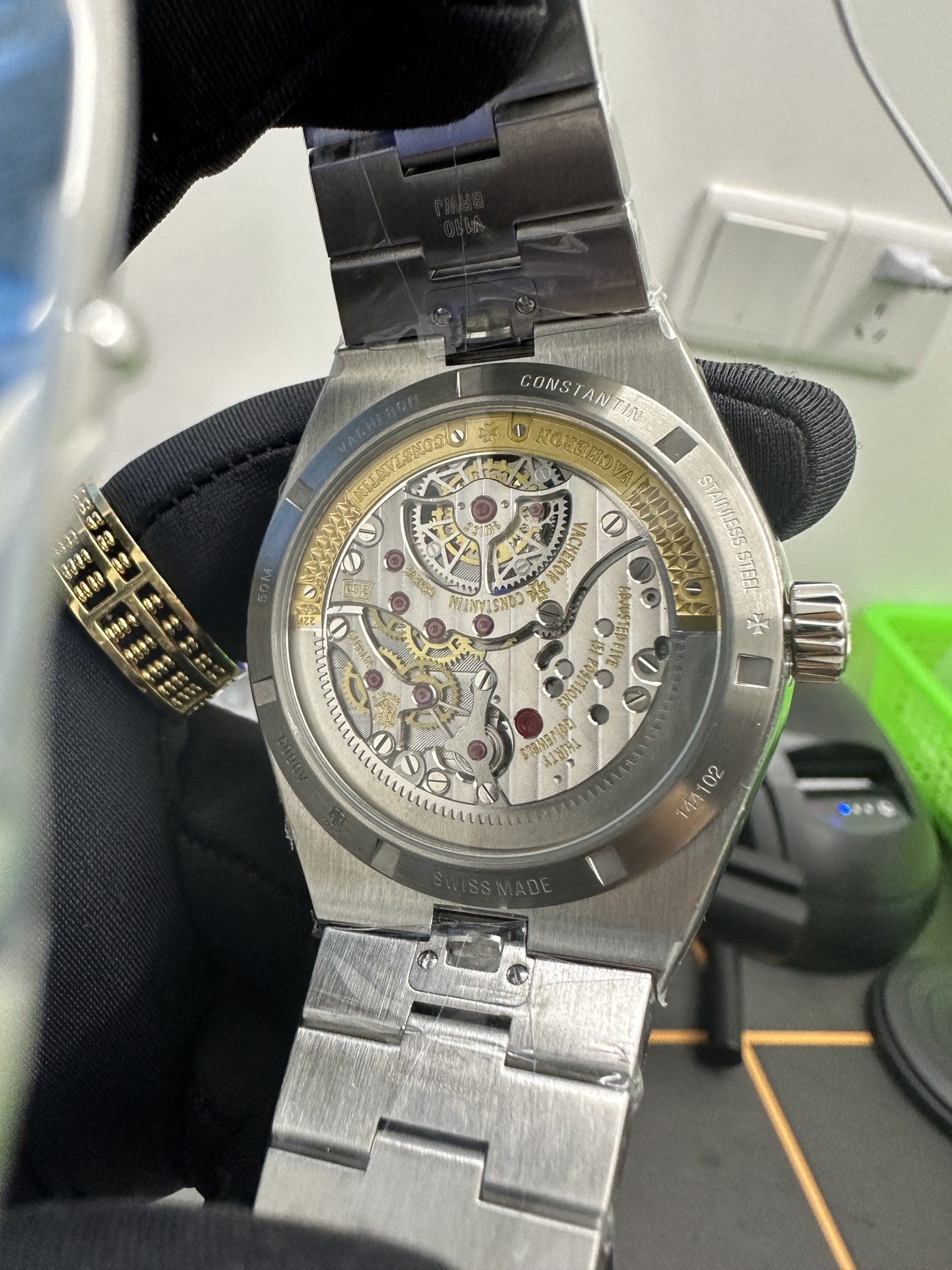
China has become the central manufacturing force behind modern high-end replica watches not through imitation alone, but through an industrial structure capable of reproducing complex mechanical systems at scale. What differentiates today’s environment from the fragmented workshops of the past is not secrecy or volume, but specialization. Factories are no longer interchangeable producers of generic replicas. They operate as semi-independent technical units, each defined by tooling depth, movement modification capability, finishing standards, and long-term focus on specific brands such as Vacheron Constantin. Understanding this ecosystem is essential because quality in the replica world is not abstract; it is traceable to geography, factory lineage, and accumulated production experience.
Major China Replica Watch Factories — Vacheron Constantin Focus
| Factory | Profile | Representative Models | Strengths | Limitations | Recommendation |
|---|---|---|---|---|---|
| ZF Factory | Established large-scale manufacturer specializing in high-end and complex replicas | Overseas 4500V, FiftySix Full Calendar, Patrimony 85180 | Strong structural accuracy, in-house clone movement development, refined case finishing | Some movements slightly thicker than genuine, audible winding noise | ⭐⭐⭐⭐⭐ High |
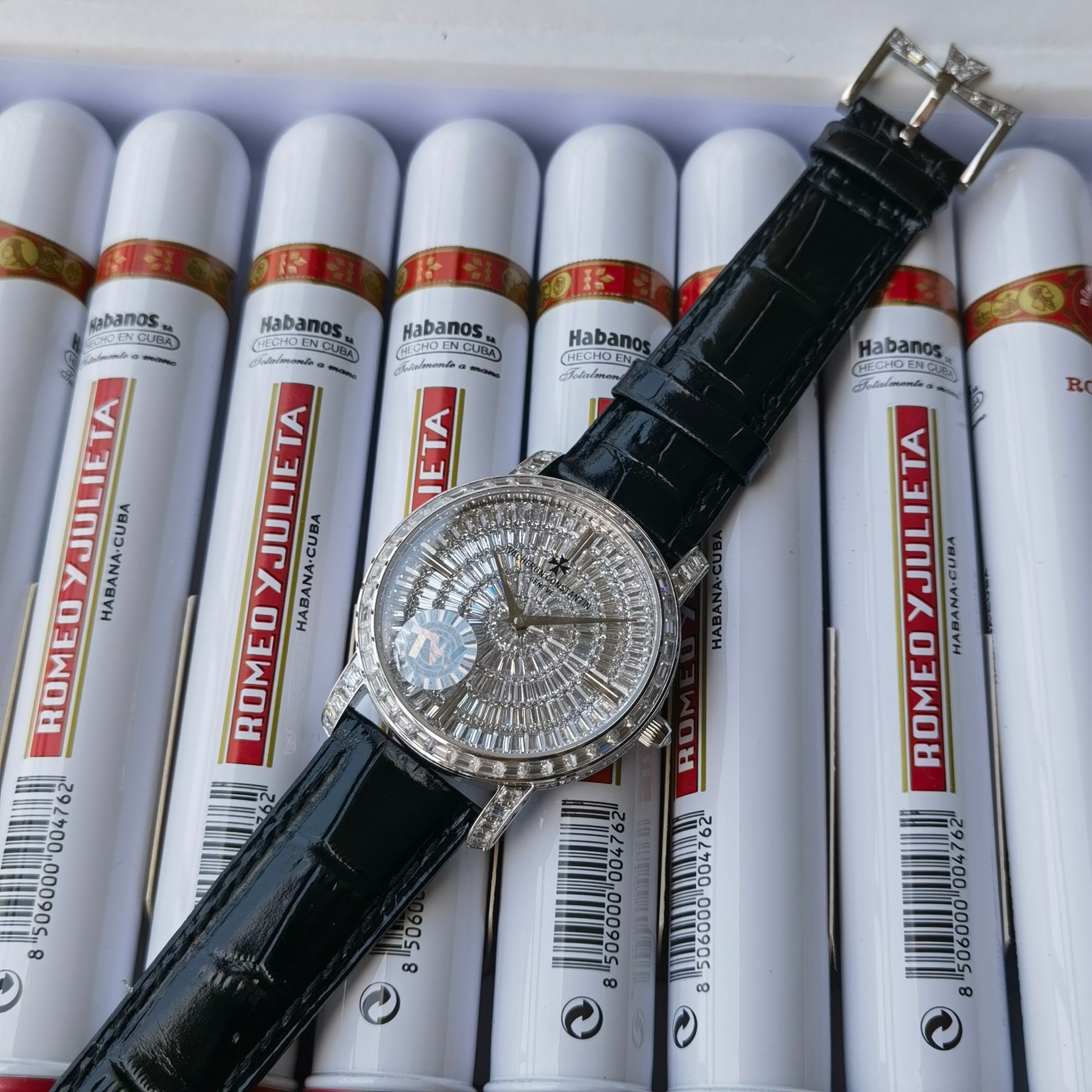
| PPF Factory | Boutique-oriented factory focused primarily on Vacheron Constantin | Overseas 47040, Patrimony 85180, Historiques 222 | Excellent dial execution, high movement visual fidelity, superior finishing detail | Higher pricing, limited model range | ⭐⭐⭐⭐☆ High |
| MKS Factory | Specialist in classic dress watch replicas | Patrimony 85180, Patrimony 81180 (two-hand ultra-thin) | Accurate case thickness, strong dial depth, stable movement behavior | Fine details less refined than PPF, movement modification less extensive | ⭐⭐⭐⭐☆ High |
| 8F Factory | Veteran sports-watch producer | Overseas 4500V / 5500V / 2000V | Broad model coverage, acceptable value, offers complex sports variants | Average finishing, thickness control less precise | ⭐⭐⭐ Medium |
| TW Factory | Niche developer focused on complications | FiftySix Power Reserve | Functional layout reasonably faithful | Incorrect movement architecture, average long-term stability | ⭐⭐ Medium–Low |
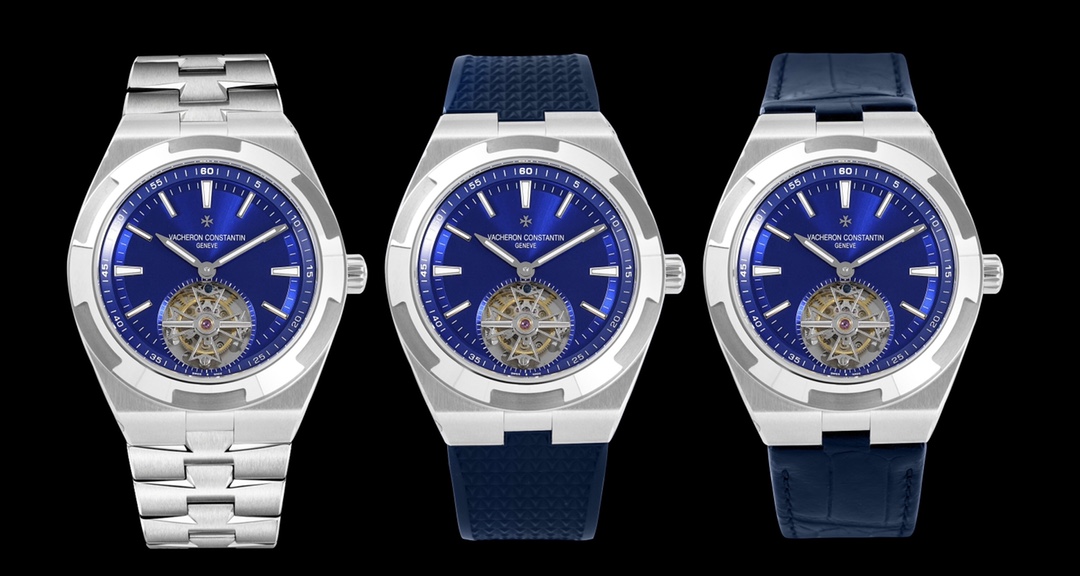
| MX Factory | New-generation factory emphasizing complex mechanisms | FiftySix Full Calendar Moonphase | Highly accurate movement layout, practical quick-set functionality | Short market history, uncertain after-sales track record | ⭐⭐⭐☆ Medium–High |
| JJ Factory | Early-generation replica manufacturer | Overseas 47040 (early versions) | Early tooling, acceptable base structure | Outdated finishing, coarse execution | ⭐ Low |
| BV Factory | Engineering-driven factory known for ultra-thin and complex projects | No major VC flagship models | Strong movement architecture capability | Low visibility, limited VC involvement | ⭐⭐ Low |
| AF Factory | Originated in dress-watch segment (notably Longines) | No major VC releases | Consistent quality control, restrained aesthetics | No established Vacheron Constantin line | ⭐⭐ Low |
What this comparison reveals is that factory reputation in the Vacheron Constantin replica space is not evenly distributed, nor interchangeable. A small number of factories carry disproportionate weight because their output has been tested repeatedly across ownership cycles rather than judged on launch impressions alone.
ZF stands at the top because it solves the hardest problems first. Its strength lies in structural correctness and movement architecture, particularly on technically demanding references like the Overseas 4500V and the FiftySix full calendar. While not flawless, its deviations tend to be measurable and predictable rather than random, which is why it functions as a benchmark rather than an experiment.
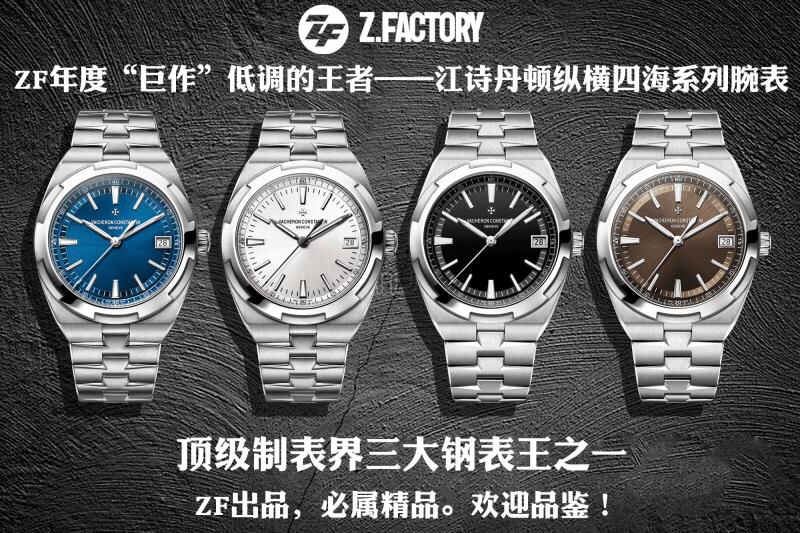
PPF and MKS occupy a different but equally important tier. PPF excels where visual discipline matters most. Its dials, markers, and finishing are consistently among the cleanest available, making it the preferred choice for dress references where subtlety defines credibility. MKS, by contrast, has earned trust through proportion control and thickness accuracy, especially on ultra-thin Patrimony models where even half a millimeter matters more than decorative movement detail.
Factories like 8F, TW, and JJ illustrate the middle and lower tiers of the ecosystem. Their products are not without merit, but their compromises accumulate more quickly. Inconsistent finishing, outdated tooling, or incorrect movement architecture tends to surface during extended wear, which limits their relevance for buyers seeking long-term satisfaction rather than short-term novelty.
MX represents a newer direction. Its technical ambition, particularly in complex calendar mechanisms, is real and observable. Whether that ambition translates into durable reputation depends on time, consistency, and after-sales behavior, factors that no factory can shortcut.
At the bottom end, BV and AF highlight an important distinction. Technical capability alone does not establish authority in the Vacheron Constantin replica segment. Without sustained model focus and market exposure, even competent factories remain peripheral.
In practice, factory choice is less about chasing the highest claim and more about matching factory behavior to the specific reference being considered. In the Vacheron Constantin replica world, reputation is earned slowly, lost quickly, and only retained through repeatable outcomes.
China as the Global Hub of Replica Watch Making
China dominates replica watch production because it concentrates every required capability within a single national supply network. CNC case machining, sapphire crystal cutting, dial printing, movement assembly, electroplating, and final regulation all exist within reachable distance of one another. This proximity allows rapid iteration. When a case bevel angle is adjusted or a movement bridge thickness changes, feedback cycles are measured in days, not months. Over time, this speed has translated into refinement, especially in super clone segments where tolerances matter.
Guangzhou sits at the center of this system. It is not simply a marketplace but a coordination hub where component suppliers, assembly workshops, and distribution channels intersect. Most factory labels associated with high-end Vacheron Constantin replicas trace their operational roots to Guangzhou, even if certain machining or plating steps occur elsewhere. The city’s dominance comes from continuity: the same production teams refine the same references over multiple generations, learning where earlier versions failed under real wear and long-term use.
Key Replica Watch Regions in China
Guangzhou Replica Market Overview
Guangzhou’s importance lies in density rather than size. Case factories, dial printers, bracelet suppliers, and movement modifiers operate within overlapping industrial zones. This concentration allows factories like ZF, PPF, and MKS to maintain stable supplier relationships and enforce consistent quality thresholds. When a Vacheron Constantin Overseas 4500V clone transitions from one version to the next, the improvement is usually incremental but meaningful, reflecting accumulated corrections rather than design resets. This continuity is why Guangzhou-based factories are able to approach correct case thickness, lug curvature, and bracelet articulation with increasing accuracy over time.
Other Notable Regions
Shenzhen contributes heavily to electronics and precision machining, particularly in movement component fabrication and CNC prototyping. Dongguan supports case finishing and bracelet manufacturing, especially brushing and polishing processes that require skilled manual intervention after machining. Shanghai’s role is smaller but relevant in logistics coordination and limited component sourcing. These regions do not replace Guangzhou’s function but extend it, forming a distributed manufacturing network where each city reinforces a specific stage of production rather than competing for dominance.
Understanding Factory Identity & Labeling
A factory label is not a brand in the conventional sense. It is a shorthand used by collectors and long-term buyers to describe a factory’s technical behavior over time. When a watch is described as “ZF” or “PPF,” the label implies a predictable range of outcomes: movement architecture choices, case finishing priorities, and historical strengths or weaknesses. These identifiers emerged because repeated exposure revealed patterns. Certain factories consistently produced stable movements but average dials. Others achieved excellent visual fidelity while sacrificing long-term mechanical resilience. Labels persist because they compress years of observed behavior into a single reference point.
In the context of Vacheron Constantin replicas, factory identity matters more than marketing descriptors such as “1:1” or “highest version.” Those phrases vary in meaning, but a factory’s track record does not. Experienced buyers rely on labels because they correlate with real-world performance after months or years of wear, not initial impressions.
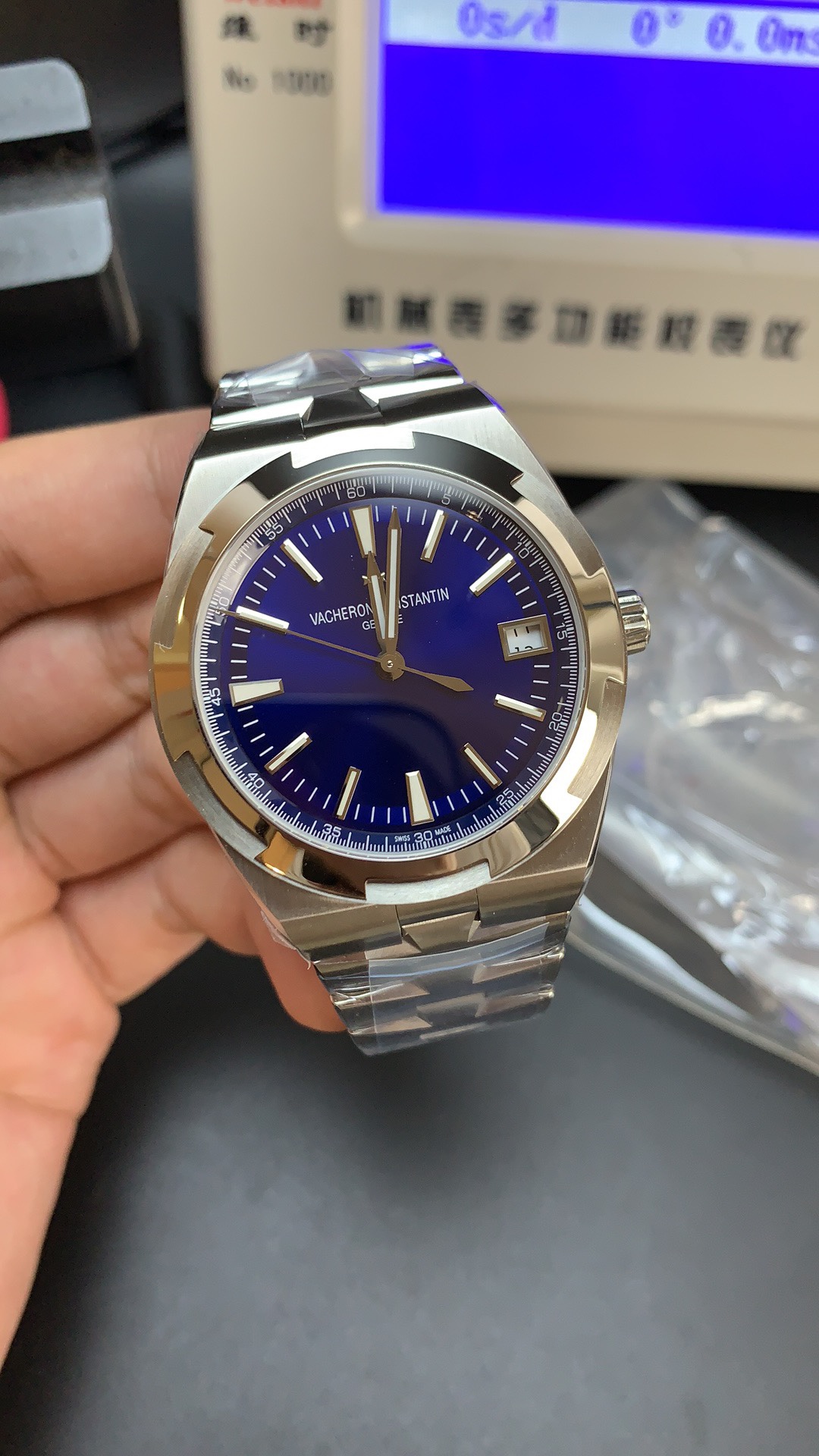
Common Factory Tags in the High-End Replica Segment
VS, Clean, PPF, ZF & More — What They Signify
ZF is associated with structural accuracy and movement development. Its Vacheron Constantin replicas, such as the Overseas 4500V and FiftySix full calendar, prioritize correct case dimensions, dial layout, and internally consistent movement architecture. PPF focuses on finishing refinement. In models like the Patrimony 85180 or Overseas 47040, PPF’s strength appears in dial texture, marker alignment, and movement decoration that avoids obvious visual shortcuts. MKS has built its reputation on classic dress references, particularly thin automatic or manual-wind pieces where case thickness and dial curvature matter more than complication count. VS and Clean, while dominant in other brands, play a more limited role in Vacheron Constantin production, but their labels still signal specific expectations regarding movement reliability or case execution.
How Factories Specialize by Brand and Model
Specialization is not optional at the super clone level. A factory attempting to cover too many brands without depth tends to plateau. ZF concentrates on models where movement replication justifies the investment, such as the VC Cal. 5100-based Overseas. PPF selects references where visual precision defines value, including dress watches with exposed case geometry. MKS remains strongest where restraint matters, producing pieces that rely on proportion and subtle finishing rather than mechanical spectacle. These choices are not marketing decisions; they reflect where each factory’s tooling, engineering talent, and accumulated problem-solving experience are most effective.
Why Factory Labels Matter in Product Titles
Buyer Signals and Expectation Management
Factory labels shape expectations before a watch is even handled. When a product title includes “ZF” or “PPF,” experienced readers infer likely strengths and acceptable compromises. This signaling reduces uncertainty. It tells the buyer whether the watch is intended to satisfy visual scrutiny, long-term wear stability, or mechanical curiosity. Without the label, the description lacks context, forcing the buyer to guess which compromises were made during production.
Practical Examples from Replica Product Listings
A listing that specifies “Vacheron Constantin Overseas 4500V ZF Factory Cal. 5100 Clone Movement” communicates more than specifications. It implies correct case thickness near 11mm, a functional anti-magnetic inner case, and a movement layout that mirrors the genuine architecture rather than hiding a generic base under decorative plates. By contrast, a vague title without a factory identifier offers no such predictive value. In practice, factory labels function as compressed experience, allowing informed readers to judge likely outcomes before purchase decisions are made.
From Replica to Super Clone: Quality Ladder
The difference between a generic replica and a true super clone is not cosmetic ambition but engineering discipline. Ordinary replicas aim to resemble the original at arm’s length, often prioritizing dial layout and logo placement while tolerating structural shortcuts beneath the surface. Super clone production reverses that priority. It begins with the assumption that long-term wear, mechanical behavior, and dimensional correctness matter as much as first impression. The result is a watch that does not merely look right when new but continues to behave predictably after months of use.
This distinction becomes obvious when handling both types over time. Generic replicas often reveal their limits through uneven case wear, unstable timekeeping, or movement noise that worsens with use. Super clones tend to age more quietly. Their tolerances are tighter, their materials closer to spec, and their assembly more deliberate. These qualities do not eliminate flaws, but they shift failure modes from immediate and obvious to gradual and manageable.
Anatomy of Super Clone Quality
Precision Engineering & Material Matching
Super clone cases are designed around the original watch’s geometry rather than approximated to it. Lug curvature, mid-case thickness, and bezel angles are measured and reproduced with the expectation that deviations will be felt on the wrist, not just seen in photographs. Sapphire crystals are cut to correct dome height and edge profile rather than substituted with flatter stock glass. Stainless steel cases increasingly use 904L alloy not for marketing effect, but because it machines and finishes differently, producing surface reflections closer to the genuine article.
These choices matter because they affect how the watch interacts with light and skin. A correctly finished case edge resists premature rounding. A properly profiled sapphire reduces distortion at the dial perimeter. Over time, these details separate a watch that remains convincing from one that gradually exposes its shortcuts.
Movement Replication Standard
At the super clone level, movement replication is no longer symbolic. Factories aim to reproduce layout, thickness, and functional behavior rather than hiding a generic base under decorative plates. Modified Japanese movements such as the Miyota 9015 are reworked with custom bridges, relocated balance positions, and adjusted hand stack heights to approximate calibers like the Vacheron Constantin 2450 or 1326. In more advanced cases, fully cloned architectures such as the Cal. 5100-style movement used in Overseas models attempt to mirror gear train layout and winding behavior.
The practical difference appears in stability. Tighter tolerances reduce amplitude loss. Improved finishing lowers friction at contact points. While these movements do not achieve Swiss chronometer standards, they tend to hold regulation longer and respond more predictably to servicing. This consistency is what elevates them beyond decorative imitation.
Typical Industrial Process in a High-End Replica Factory
High-end replica production follows a structured workflow that resembles small-scale industrial manufacturing rather than artisanal assembly. Components are sourced from specialized suppliers, then refined and assembled under controlled sequences. The difference between ordinary and high-end factories lies in how much of this process they internalize and how strictly they enforce rejection thresholds.
In a mature operation, cases are machined in batches, inspected, and only then passed to finishing. Dials are printed, cured, and examined under magnification before hand application begins. Assembly is not rushed; it is staged to allow correction before errors compound. This approach costs more and produces fewer usable units, but it creates repeatability, which is the foundation of super clone consistency.
Movement Source & Modification
Base Movements vs Modified Movements
Most replica movements begin as Asian base calibers chosen for reliability and availability. What separates high-end output is the extent of modification. Generic factories install the base movement as-is, accepting mismatched hand heights or incorrect thickness. High-end factories disassemble, re-bridge, and recalibrate. Plates are redesigned to adjust overall height. Date mechanisms are repositioned to align with correct window placement. These interventions do not transform the movement into the original, but they align its behavior more closely with the intended design.
Over time, modified movements show fewer alignment issues and less wear-induced drift. They are also easier to regulate because their architecture better supports consistent power delivery.
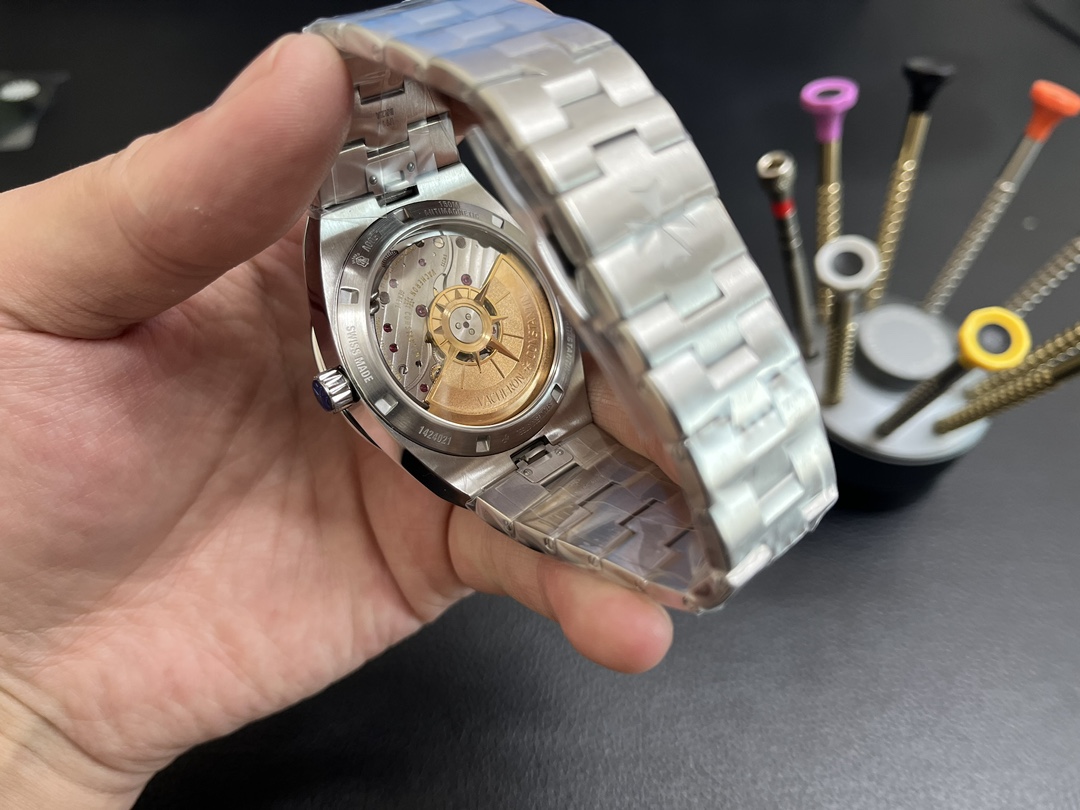
Clone Movement Decoration & Calibration
Decoration is often misunderstood as superficial. In practice, finishing quality influences performance. Properly executed Geneva striping and chamfering reduce micro-burrs that trap debris. Balanced rotors with accurate mass distribution wind more evenly and place less stress on bearings. Calibration at this stage is not about chasing perfect numbers but about ensuring the movement operates within a stable window under daily wear conditions.
Case & Dial Manufacturing Steps
Case CNC Machining & Finishing Techniques
CNC machining defines the case, but finishing defines its credibility. High-end factories machine cases slightly oversize, then remove material during brushing and polishing to achieve sharp transitions. Bevels are cut deliberately rather than softened by over-polishing. Bracelet links are articulated and tested for flex to avoid the stiff feel common in lower-tier replicas. These steps require skilled labor and time, which is why they are often skipped in cheaper production.
Dial Printing & Hand Assembly Standards
Dial quality depends on restraint. Fonts must be printed at correct thickness, with ink density that survives curing without bleeding. Applied indices are set individually and checked for alignment from multiple angles. Hands are finished to avoid rough edges that catch light
How Factories Grade Their Own Work
Quality grading in the replica world did not emerge from marketing language but from repeated comparison, ownership cycles, and failure analysis. Factories learned quickly that vague claims collapsed under sustained use, so internal grading systems evolved around criteria that could be observed, tested, and compared across production runs. In the Vacheron Constantin replica segment, three dimensions consistently define grade: engineering precision, visual fidelity, and functional matching. A watch must meet minimum thresholds in all three to be considered a true super clone; excellence in only one dimension is not sufficient.
At the factory level, grading is pragmatic. It reflects how close a piece comes to original specifications, how predictably it performs after regulation, and how well it maintains integrity under normal wear. These grades are not official standards, but they are widely recognized because they align with long-term outcomes rather than first impressions.
Visual Fidelity Tiering
Aesthetic Matching (Case, Dial, Logo)
The first tier evaluates static appearance under close inspection. Case diameter, thickness, lug curvature, and bezel geometry must fall within narrow deviation ranges. Dial evaluation goes beyond color accuracy to include surface texture, printing sharpness, and index placement relative to the dial’s curvature. Logos and text are judged by proportion and depth rather than mere presence. In higher tiers, applied markers sit flush, fonts remain consistent across batches, and date windows align correctly without crowding or distortion.
Lower-tier replicas often appear convincing in photographs but reveal inconsistencies in person. Misaligned indices, uneven printing, or incorrect dial depth become noticeable after extended wear. Higher-tier super clones minimize these tells not by perfection, but by reducing cumulative error across multiple visual elements.
Bezel & Bracelet Details
Bezel finishing and bracelet construction form the second layer of visual grading. Correct edge sharpness, brushing direction, and transition between polished and brushed surfaces are essential. Bracelets are assessed for articulation, link symmetry, and clasp geometry. In higher grades, tolerances allow smooth drape on the wrist without looseness or binding. These details matter because they are experienced continuously, not just during inspection.
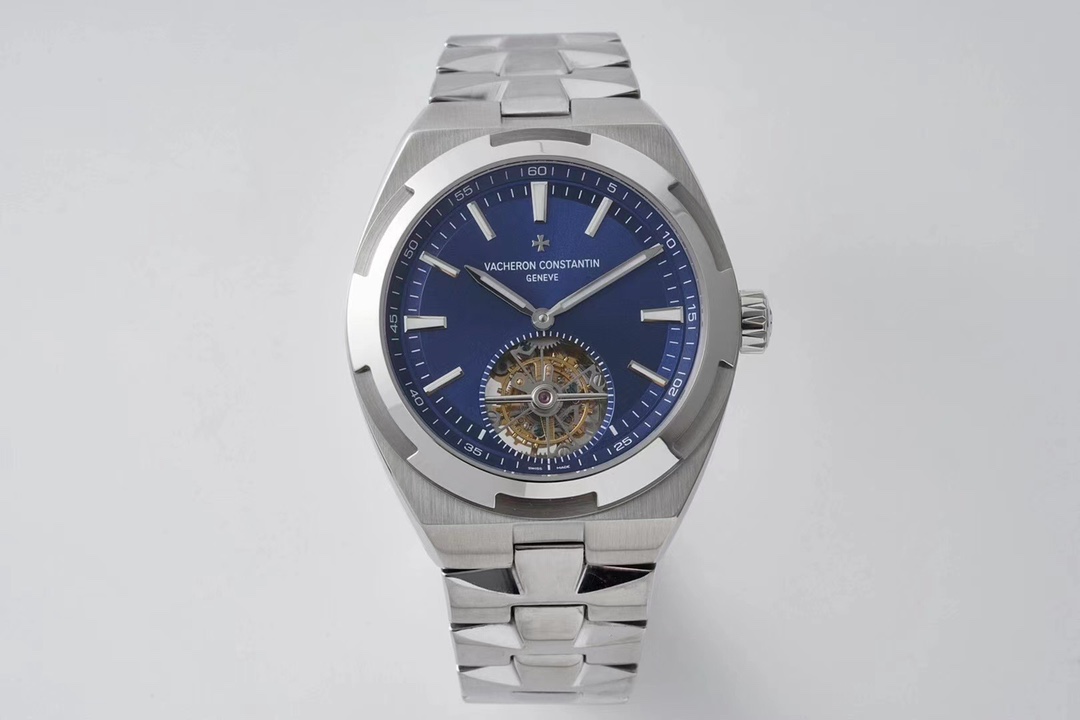
Functional & Mechanical Tiering
Movement Timekeeping Accuracy
Mechanical grading begins with timekeeping stability rather than absolute precision. Super clone movements are evaluated on their ability to hold regulation over weeks of wear, not just initial readings. Modified movements with corrected hand stack height, adjusted gear train alignment, and balanced rotors tend to maintain amplitude more consistently. Factories recognize that a movement gaining or losing a few seconds per day is acceptable if that behavior remains stable. Erratic performance, even if briefly accurate, is graded lower.
Wear Stability & End-Use Performance
Long-term wear exposes weaknesses that visual inspection cannot. Case coatings that fade unevenly, bracelets that develop play prematurely, or movements that grow noisy under daily motion all signal lower grading. High-tier super clones demonstrate predictable aging. Their finishes wear gradually, seals retain basic water resistance, and movements remain serviceable. This stability is why certain factory labels carry weight; they reflect observed outcomes after months or years of ownership.
How to Recognize Quality in Product Titles & Descriptions
Product titles and descriptions often reveal more than images when read carefully. High-quality listings tend to be specific, restrained, and internally consistent. They name the factory, specify the clone level, and describe movement architecture and materials without exaggeration. Vague language usually masks compromise. Experienced readers look for concrete identifiers that align with known factory behavior and established grading criteria.
A practical approach is to read titles as summaries of manufacturing intent. Each element should add clarity rather than noise. When details align logically, quality is more likely to follow.
Factory + Clone Level Indicators That Matter
Factory Names and Listing Patterns
Factory identifiers such as ZF, PPF, or MKS carry implicit meaning because they reference past production behavior. A title that clearly associates a Vacheron Constantin model with one of these factories suggests predictable strengths and known limitations. Ambiguous or invented factory names rarely survive scrutiny because they lack a track record.
Clone Level Descriptors
Terms like “1:1” or “super clone” only gain meaning when supported by specifics. Higher-quality listings pair these descriptors with measurable attributes such as correct case thickness, cloned movement architecture, or material specification. When clone level claims stand alone, they provide little insight.
Movement & Material Indicators
Movement Designation Inclusion
Meaningful listings identify the movement beyond generic labels. References to custom clone movements, modified Miyota 9015 architecture, or specific cloned calibers signal deliberate engineering choices. The absence of movement detail often indicates reliance on unmodified base calibers.
Steel and Sapphire Descriptions
Material descriptions matter when they describe behavior rather than prestige. Mention of sapphire crystal profile, steel alloy type, or finishing method suggests attention to manufacturing detail. Overemphasis on material buzzwords without context usually reflects marketing rather than substance.
Technical & Industrial Comparison: China Factory vs Original VC Manufacture
The gap between Chinese replica factories and original Vacheron Constantin manufacture is not defined by effort but by mandate. Swiss manufacture operates under certification regimes, heritage constraints, and production timelines that prioritize longevity and traceability. Replica factories operate under different incentives, focusing on visual and functional proximity within practical limits. Understanding these differences clarifies both the strengths and the boundaries of super clone production.
Movement & Certification Differences
Swiss Certified Movements vs Clone Movements
Original Vacheron Constantin movements are developed in-house, finished to Geneva Seal standards, and certified through rigorous inspection. Clone movements aim to reproduce architecture and behavior but cannot replicate certification processes or proprietary metallurgy. Their value lies in functional resemblance, not institutional validation.
Regulation & Timing Standards
Swiss movements are regulated to strict tolerances across multiple positions and conditions. Clone movements are regulated for everyday stability rather than formal certification. This difference explains why super clones can feel reliable in daily use while still diverging from official chronometric benchmarks.
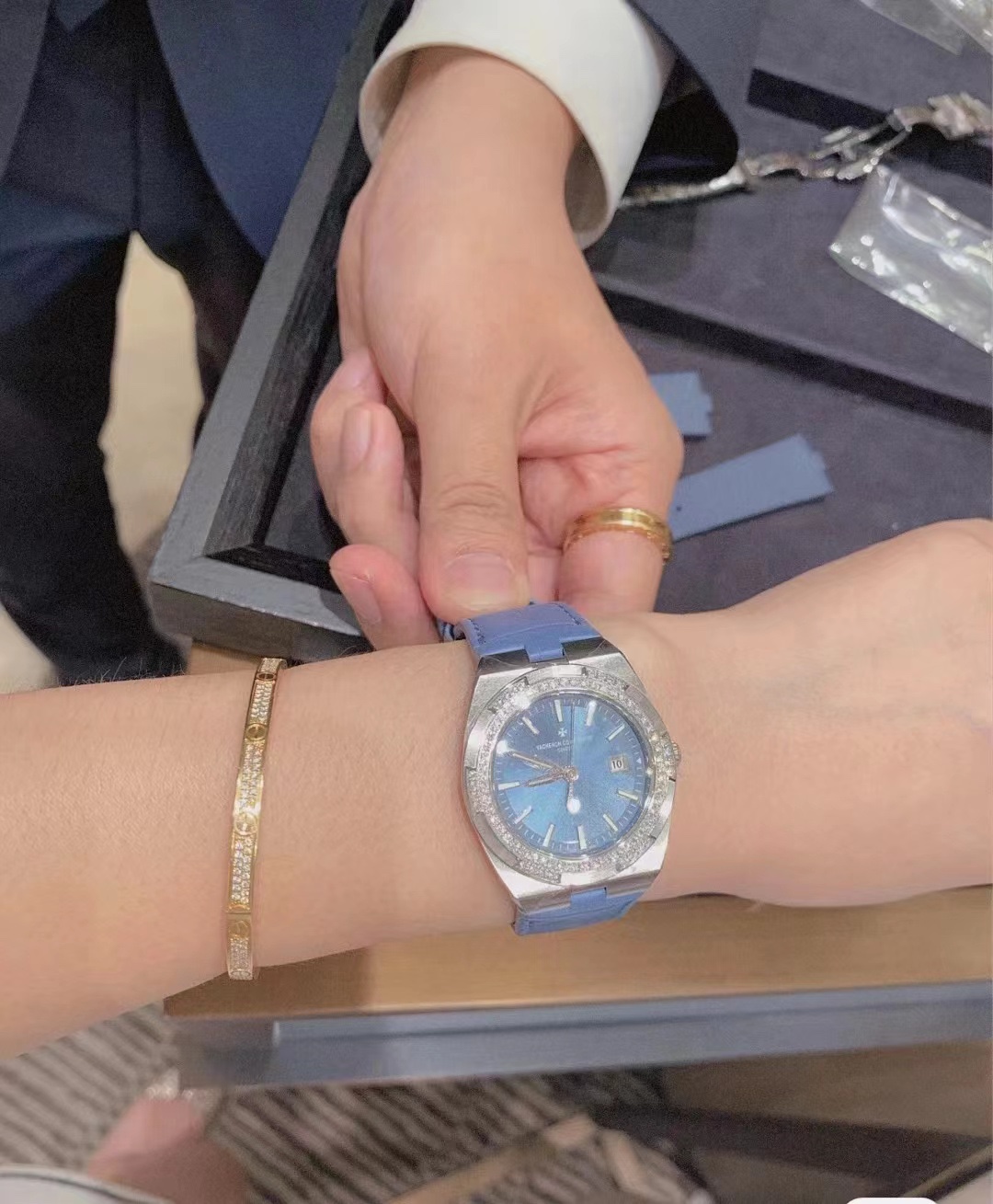
Finishing & Materials Contrast
Case and Bracelet Polishing Standards
Original manufacture finishing is labor-intensive and intentionally conservative. Edges remain crisp through decades of wear. Replica finishing prioritizes visual accuracy within shorter production cycles. High-end factories approach correct geometry but cannot fully match the time investment of Swiss finishing.
Dial & Crystal Material Differences
Dial printing and crystal shaping in original manufacture benefit from proprietary processes and long-term material testing. Replica factories replicate appearance effectively but rely on commercially available materials. The result is close visual similarity with subtle differences that emerge over extended aging.
In practical terms, super clones succeed by narrowing the experiential gap rather than eliminating it. They offer credible alternatives for those who understand what is being approximated and what is not.
Pre-Purchase Verification Tips
Evaluating a Vacheron Constantin replica before purchase is less about spotting perfection and more about identifying coherence. High-quality replicas tend to be internally consistent: the factory label aligns with the claimed clone level, the images support the specifications, and no single element feels exaggerated to distract from another. A disciplined review process helps filter out listings that rely on surface appeal rather than structural substance.
Image & Label Verification
Inspect Dial, Logo, Text & Case Shapes
Begin with the dial, because it exposes shortcuts quickly. Fonts should appear even in thickness, with no bleeding at the edges. Applied indices must sit level and follow the dial’s curvature rather than floating or tilting. Logos should be proportionate and correctly positioned, not merely present. Case shapes deserve equal scrutiny. Lug length, bezel slope, and mid-case thickness should look balanced when viewed from multiple angles. Discrepancies here often indicate generic cases adapted for multiple models rather than purpose-built tooling.
Consistency across images matters. If the dial appears different between photos, or if lighting is used to obscure edges and profiles, assume the weakest interpretation is closest to reality.
Check Factory Label Credibility
Factory labels function as reputational shorthand. A credible label corresponds to known production history and recognizable traits. When a listing claims association with a factory known for a specific strength, the watch should exhibit that strength visibly. For example, a factory reputed for movement replication should show clear movement photos or detailed descriptions. Labels that cannot be traced to established production patterns rarely signal quality; they usually signal rebranding.
Movement & Functional Checks
Timekeeping Evidence
Reliable sellers often provide timegrapher results or regulation data. While these numbers are not guarantees, their presence suggests the movement has been inspected rather than shipped blindly. Look for stability rather than perfection. Moderate daily deviation that remains consistent is preferable to impressive numbers without context. Absence of any timekeeping information does not automatically mean poor quality, but it shifts risk back to the buyer.
Movement Visibility and Photos
Clear movement photos reveal intent. Modified or cloned movements have recognizable layouts, bridge shapes, and rotor designs. Blurred images or generic stock photos often conceal unmodified base movements. Even if you cannot identify every component, overall layout coherence usually distinguishes deliberate replication from decorative disguise.
Replica Factory & Super Clone FAQs
What Is the Difference Between Replica and Super Clone?
The difference lies in priorities. A standard replica focuses on immediate visual similarity, often accepting structural compromises that reveal themselves with use. A super clone prioritizes engineering alignment, material choice, and functional behavior, aiming to replicate how the watch wears and operates over time. The distinction becomes clearer after months of ownership rather than minutes of inspection.
Is Guangzhou Factory Better Than Others for VC Replicas?
Guangzhou’s advantage is not inherent superiority but accumulated specialization. Its dense supplier network and long-running production teams allow incremental refinement across multiple generations of the same reference. This continuity benefits complex models like the Overseas and refined dress pieces like the Patrimony, where small dimensional errors compound quickly. Other regions contribute important components, but Guangzhou remains the coordination center where final quality is determined.
Can Super Clone Be Near Indistinguishable from Genuine?
In controlled conditions, a high-end super clone can appear extremely close to the genuine watch, especially visually. Differences emerge through extended ownership: finishing longevity, movement aging, and regulatory certification. Super clones narrow the experiential gap rather than erase it. For informed wearers, the distinction remains meaningful, but it is no longer obvious at a glance.