
Most people who shop for a super clone Patek Philippe come in with a simple question: Should I pick 3K or PPF? They make similar Nautilus and Aquanaut references, the photos online look close, and the forums rarely explain the real differences. What matters is not which factory is “stronger,” but which details you value when the watch is actually on your wrist. After many years watching both lines improve and fail in different ways, I think the comparison becomes clearer when we slow down and look at how each factory approaches the movement, the dial, and the case.
3K built its reputation on the 324 and 330 integrated movements. These are not decorative plates sitting on top of a mass-market caliber. They were opened from scratch to mimic the layout of the genuine movement, and the smaller wheels inside actually work. Because of that architecture, 3K manages to keep the entire case profile around eight millimeters, which feels closer to how a Nautilus should sit. You notice this the first time you slide it under a shirt cuff; the watch doesn’t fight for space. But the same factory that gets the movement thickness right sometimes misses on dial execution. Certain batches use colors that run too bright under natural light, especially in blue and green tones, and some owners notice that the lume application drifts toward a warmer yellow. These are not dealbreakers, but they are the kind of details you only see after living with the watch for a few days.
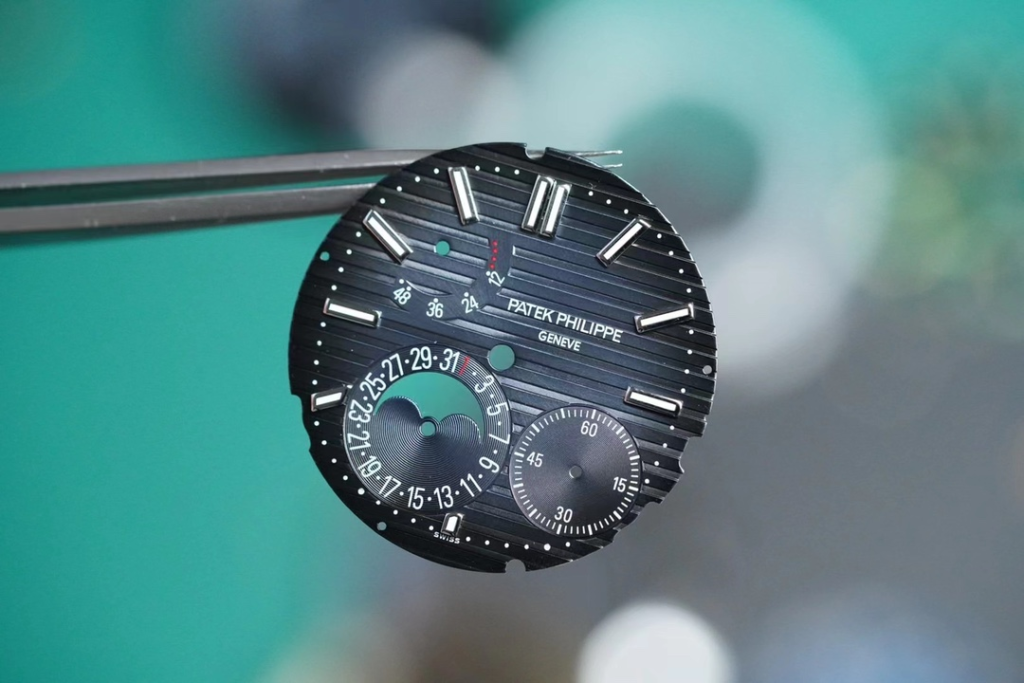
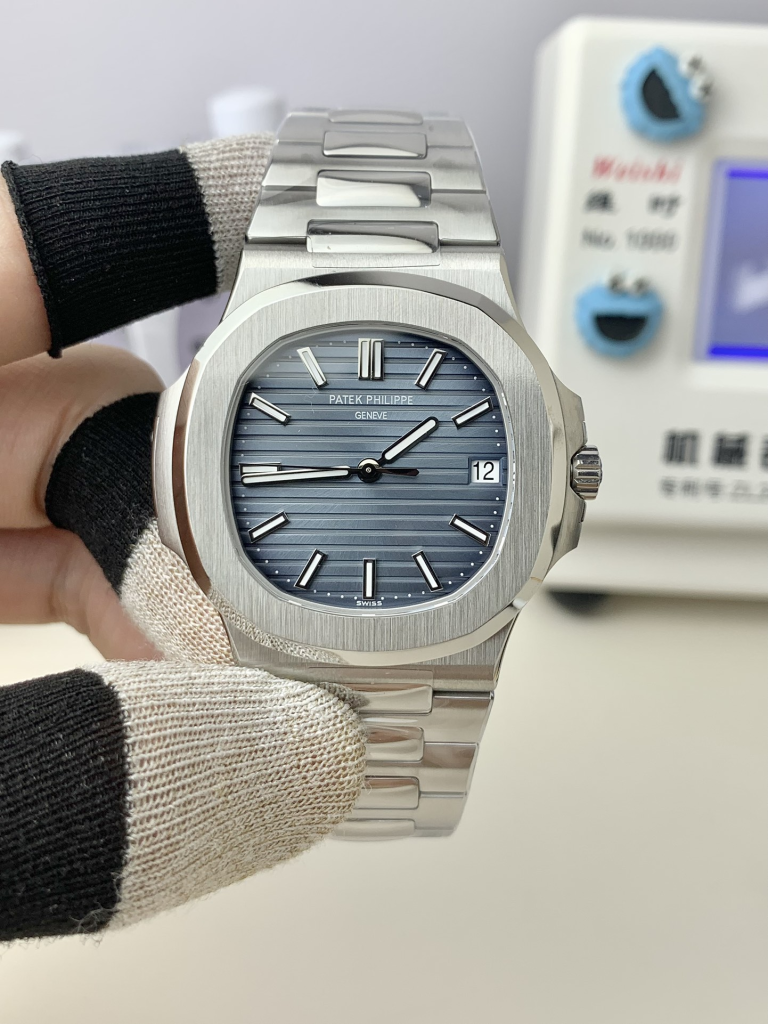
PPF takes the opposite path. When you hold a PPF Nautilus in good daylight, the case lines and dial finishing feel more controlled. The brushing is steadier, the edges flow a little cleaner, and the color tone tends to fall closer to the genuine rhythm of the reference. Many collectors choose PPF for this reason alone. Yet, the factory stays with a 9015-based decorated movement, and that decision carries weight. The visible gears are largely cosmetic, and the construction adds thickness. When you compare a 3K and a PPF side by side, the PPF usually sits higher on the wrist. Some buyers don’t mind the extra height, but others feel it changes the character of a model that is famous for its slim posture.
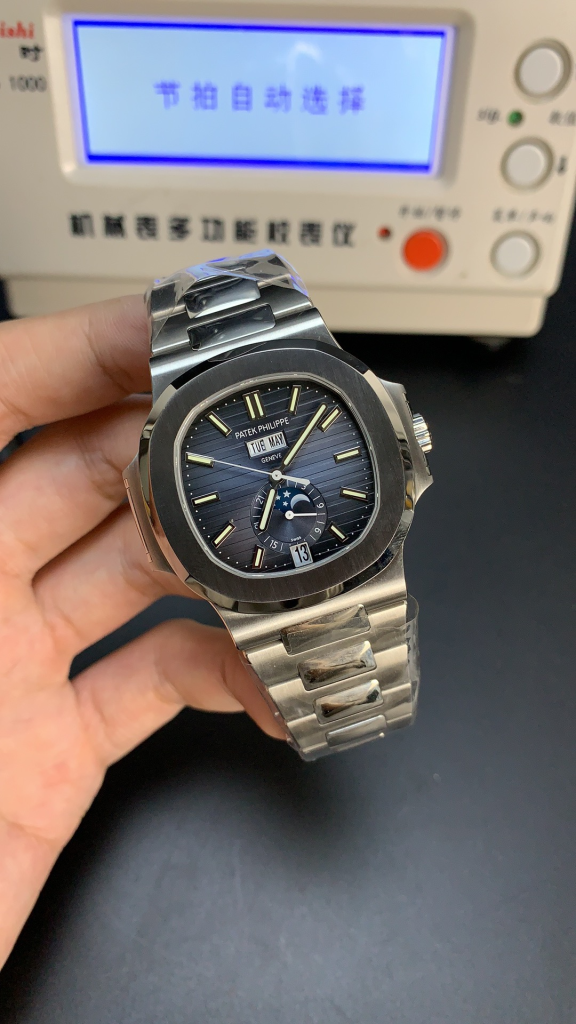
You can see how both factories are telling different stories. 3K puts its energy into the movement architecture and the wearing profile. PPF leans into case and dial refinement but accepts compromises under the caseback. Neither approach is wrong. Each speaks to a different kind of buyer. Someone who spends time studying the open caseback will appreciate the 3K more, especially if they want something close to an integrated movement. Someone who looks at the watch from arm’s length—how the dial catches light, how the bezel steps feel when you rotate the watch in your hand—may lean toward PPF.
These choices become clearer when you imagine real moments. Picture yourself at the end of a workday, glancing at the dial under indoor light. Do you care more about the color accuracy or about knowing the rotor and wheels under the sapphire follow a layout similar to the genuine piece? Or imagine a weekend trip when you wear the watch for hours. Does the thickness matter to you when the watch sits on the wrist from morning to night? These small scenes tell you more about your preference than any comparison chart.
If I have to give one honest takeaway, it is this: 3K offers the stronger movement story, and PPF offers the cleaner visual impression. Both factories deliver watches that can satisfy different kinds of collectors, but neither is perfect. Your choice depends on which imperfections you are willing to live with. I can tell you what I’ve seen, but the wrist is yours, and so is the decision.