
Why Buying a VC Replica Is a Process Problem, Not a Shopping Problem
Most failed Vacheron Constantin replica purchases don’t collapse at the point of payment. They collapse upstream, long before QC images ever reach your inbox. What people experience as a “bad seller” outcome is usually tolerance stacking playing out across model choice, assembly discipline, and inspection timing. The transaction flow determines the result more than price ever does, because every handoff between production stages introduces variance that cannot be negotiated away afterward.
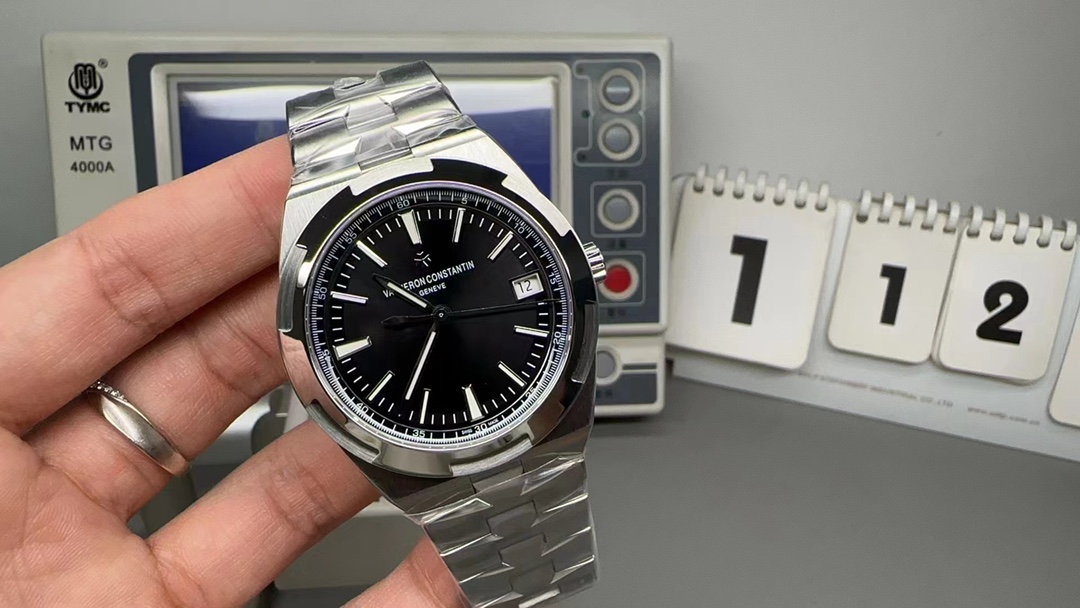
If you approach this as shopping, you inherit factory variance by default. You compare listings, glance at photos, approve quickly, and accept whatever alignment or mechanical compromises are already baked in. If you approach it as inspection, you control risk by forcing verification at each stage of the replica QC workflow. The watch acceptance framework only works when decisions propagate deliberately through production and validation, rather than reactively after a tracking number exists. This is the practical core of the vacheron constantin replica buying process: treat every step as a filter, not a formality.
What matters here is not intent. Most defects originate before QC images exist, and many more appear between approval and packing. Transaction flow amplifies or dampens those defects. Once you understand replica purchase risk stages as a sequence rather than a single moment, outcomes stop feeling random and start feeling engineered.
Why VC Replicas Punish Informal Buying More Than Other Brands
Vacheron layouts convert small process errors into visible defects faster than most sports brands. Dial whitespace leaves nowhere for misalignment to hide, thin typography exposes even slight print drift, and central axis visibility makes assembly bias immediately apparent. These are not aesthetic traits in this context; they are mechanical amplifiers that turn casual buying into visible disappointment.
On a crowded dial, imperfect centering can disappear into texture and subdials. On a restrained VC face, the same deviation becomes obvious from arm’s length. That is why informal approval habits that sometimes survive on Rolex or AP fail harder here. VC replica alignment risk rises because the design itself performs inspection on your behalf.
This is where vacheron tolerance sensitivity becomes a buyer responsibility rather than a factory problem. You cannot outsource judgment to static photos or assume that a clean case compensates for skewed geometry. When typography is thin and negative space dominates, assembly truth surfaces immediately. Informal buying simply gives that truth room to pass through.
The Real Transaction Flow: From Model Choice to Shipping Box
The operational sequence is not mysterious, but it is routinely misunderstood. A real VC replica transaction moves from model selection to factory assignment, then into QC generation, functional validation, and only afterward into packing and dispatch. Each phase introduces a different failure mode, and none of them carry equal weight.
Risk does not distribute evenly across this flow — it clusters around QC and functional confirmation, because that is where cosmetic appearance collides with mechanical behavior, and the replica watch QC process is not a visual checkpoint but the hinge where upstream tolerances either reveal themselves or remain hidden until wrist time, a systemic vulnerability highlighted in the how to evaluate the build quality of Vacheron Constantin replica watches framework that underscores where leverage exists and where it does not.
Most buyers over-invest attention at the beginning and disengage too early at the middle. That inversion is costly. The structural map matters because later sections depend on it: geometry is set by model choice, consistency by factory assignment, and survivability by how QC is executed.
Step One: Model Choice Defines Your Error Budget
Risk begins before any QC exists, because different VC layouts tolerate deviation differently. Three-hand configurations allow some lateral forgiveness when indices drift or hands sit marginally high. Calendar apertures reduce that margin by introducing fixed windows that must align with moving discs. Openwork removes hiding places entirely, exposing hand stack height, dial flatness, and movement seating in a single glance.
When model choice is treated as taste, buyers unknowingly select their error budget. A restrained dial grants you fewer escape routes during inspection, while complex displays compress tolerances across multiple subsystems. This is why vacheron replica model risk cannot be separated from layout. The watch does not become risky because of who assembles it; it becomes risky because its geometry refuses to forgive.
Once this clicks, selection stops being aesthetic preference and becomes constraint management. You are not choosing a look. You are choosing how much deviation the design will tolerate before it becomes unusable.
Step Two: Factory Assignment Determines Assembly Discipline
“Same model” does not mean same execution, because factories differ in how they control hand stack height, how they fixture dial centering, and how they reference cases during casing-up. These procedural differences surface downstream as crown feel inconsistency, off-axis hands, or rehaut eccentricity that no amount of post-hoc approval can fix.
Assembly discipline is cumulative. A shop that controls hand clearance but ignores dial centering will pass some QC sets and fail others, even within the same batch. Another that fixtures cases well but rushes calendar installation will deliver watches that look aligned but behave poorly under setting. This is replica factory variance in practice: not branding, not version labels, but the repeatability of internal steps.
Understanding this allows you to interpret QC outcomes correctly. Identical models behave differently because the assembly pathways that created them differ. Once you see factory assignment as a determinant of process quality rather than a badge, QC stops being a surprise and starts being a predictable consequence.
QC Is Not Photos: It Is Behavioral Verification
Most buyers still treat QC as a gallery moment. They scan dial printing, glance at case symmetry, and decide within minutes. That approach misses the entire mechanical story. Static images can confirm surface geometry, but they cannot reveal torque continuity, gear engagement quality, or how energy releases through the calendar system. Those behaviors determine whether a watch feels coherent in daily use or slowly turns into a collection of small frustrations.
This is where replica qc validation separates cosmetic reassurance from actual acceptance. A watch can look centered and still wind unevenly. It can photograph beautifully while hiding hand drag, shallow calendar engagement, or inconsistent crown resistance. Without behavior testing, QC becomes cosmetic theater, and cosmetic theater always favors speed over correctness.
The practical implication is simple but uncomfortable: visual confirmation is necessary, but structurally incomplete, and only through functional verification—examining winding feel, hand stack behavior, and calendar engagement against known performance baselines like those catalogued in the most popular Vacheron Constantin replica models and their performance characteristics—does QC convert from documentation into a defensible decision.
Mandatory QC Images: Geometry, Not Glamour
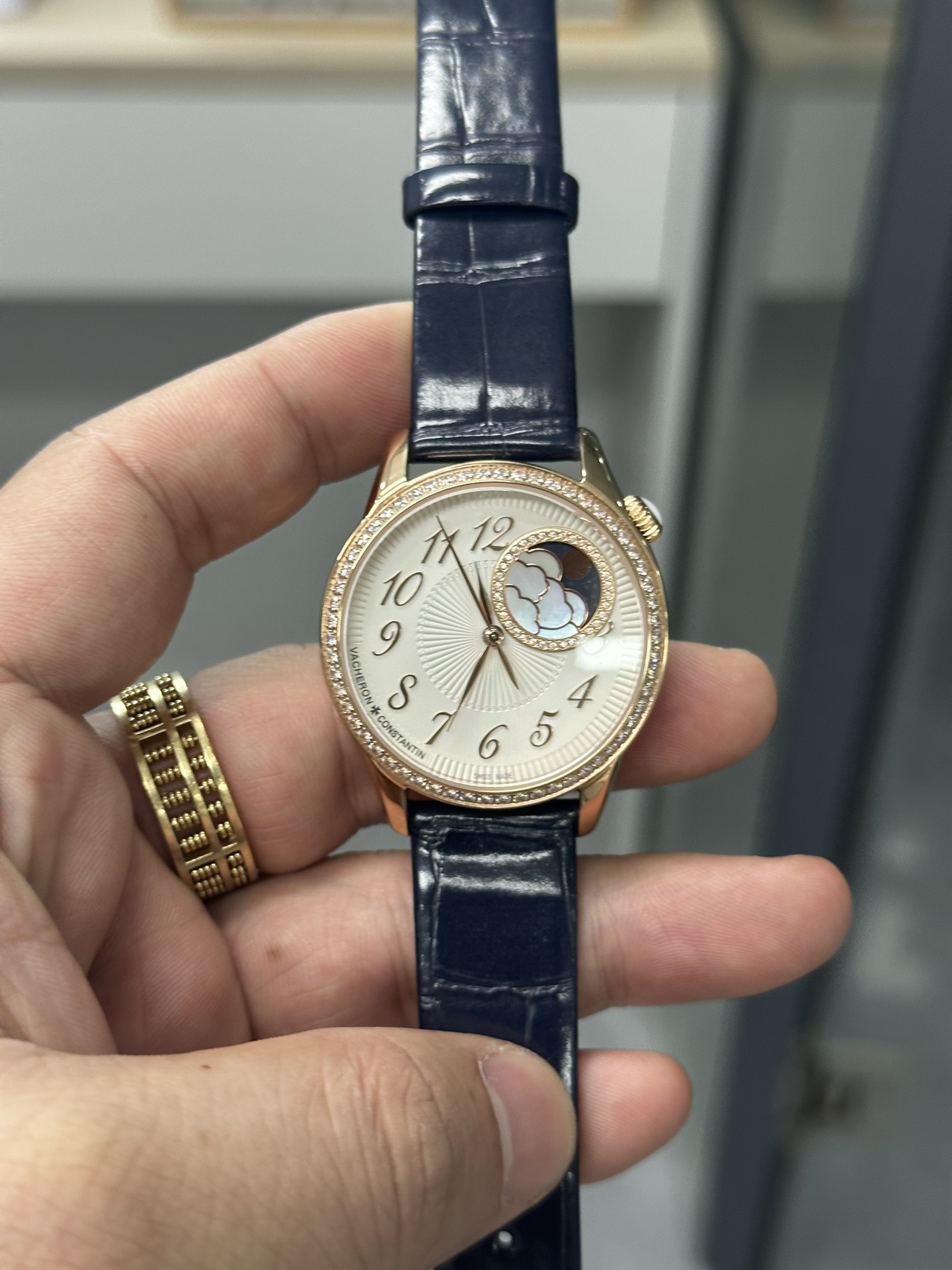
QC images exist to confirm geometry, not to impress. The minimum visual dataset is small, but each angle must earn its place by validating a specific tolerance domain. A straight-on dial view establishes index baseline integrity and exposes rotational bias. A forty-five-degree side view reveals hand stack clearance and whether the seconds hand floats cleanly above the minute plane. Case flank shots confirm symmetry across polished and brushed transitions. A caseback movement view shows seating discipline and whether the movement sits concentrically inside the case ring.
These are watch qc photo angles with functional purpose. They are not aesthetic choices. Each one answers a different question about alignment, vertical spacing, or casing accuracy. When any of these views are missing, you are not receiving incomplete photography. You are losing visibility into a specific mechanical risk.
Once you understand this, rejecting partial QC sets becomes straightforward. If geometry cannot be verified, approval should not proceed. This is not strictness for its own sake. It is basic process control.
Practical Judgment Tips: QC Images
Start with the twelve o’clock index and treat it as your primary reference line. It must sit vertically relative to the dial center, not leaning subtly left or right. From there, check the date window. The numeral should sit centered within the aperture, with even margins on both sides rather than favoring one edge. Move next to hand parallelism by comparing hour and minute hands when aligned at twelve; they should track the same axis without visible divergence.
Finish with rehaut concentricity. The inner case ring should form an even halo around the dial, not drift closer on one side. This replica alignment inspection is not about chasing microscopic perfection. It is about identifying gross assembly bias that will remain visible every time you glance at the watch.
Do not fall into pixel counting or imagined micron tolerances. You are evaluating reference relationships, not manufacturing lab data. If these relationships fail, no amount of polishing elsewhere compensates.
Mandatory QC Video: Movement Behavior Under Load
Images tell you where parts sit. Video tells you how they work together. A proper QC video must show continuous winding resistance, a smooth time-setting sweep, and a decisive calendar jump. These actions load multiple subsystems at once, revealing whether upstream assembly steps were executed with discipline.
During winding, resistance should feel consistent across the full rotation, without soft zones or sudden spikes. While setting time, the hands should advance smoothly rather than stutter under finger pressure. At the date change, the calendar should release energy cleanly, snapping forward instead of creeping across the window. These are not performance flourishes. They are signals of gear engagement quality, lubrication placement, and calendar finger geometry.
This is replica functional qc in practice. It replaces assumptions with observable behavior. A watch that passes visual checks but fails under load will only degrade further with wear. A watch that behaves correctly during QC almost always ages more gracefully.
Practical Judgment Tips: QC Video
Reject immediately if winding shows dead zones or uneven resistance curves. Those usually indicate rotor bearing issues or inconsistent mainspring engagement that will worsen over time. Walk away if the hands hesitate while setting, because that hesitation points to cannon pinion tension or hand stack interference. Do not accept a date that crawls slowly into position. A proper calendar jump test should show a clear release, not a prolonged slide.
Pay close attention to crown feel inspection. The crown should engage positively, transition cleanly between positions, and transmit motion without elasticity or lag. These sensations reveal more about assembly quality than any macro shot ever will.
Behavior beats appearance because behavior predicts ownership. Once mechanical signals fail at QC, cosmetic alignment stops mattering. This is the final gate before shipping, and it deserves more weight than every photo combined.
Where Risk Concentrates: Three Failure Windows
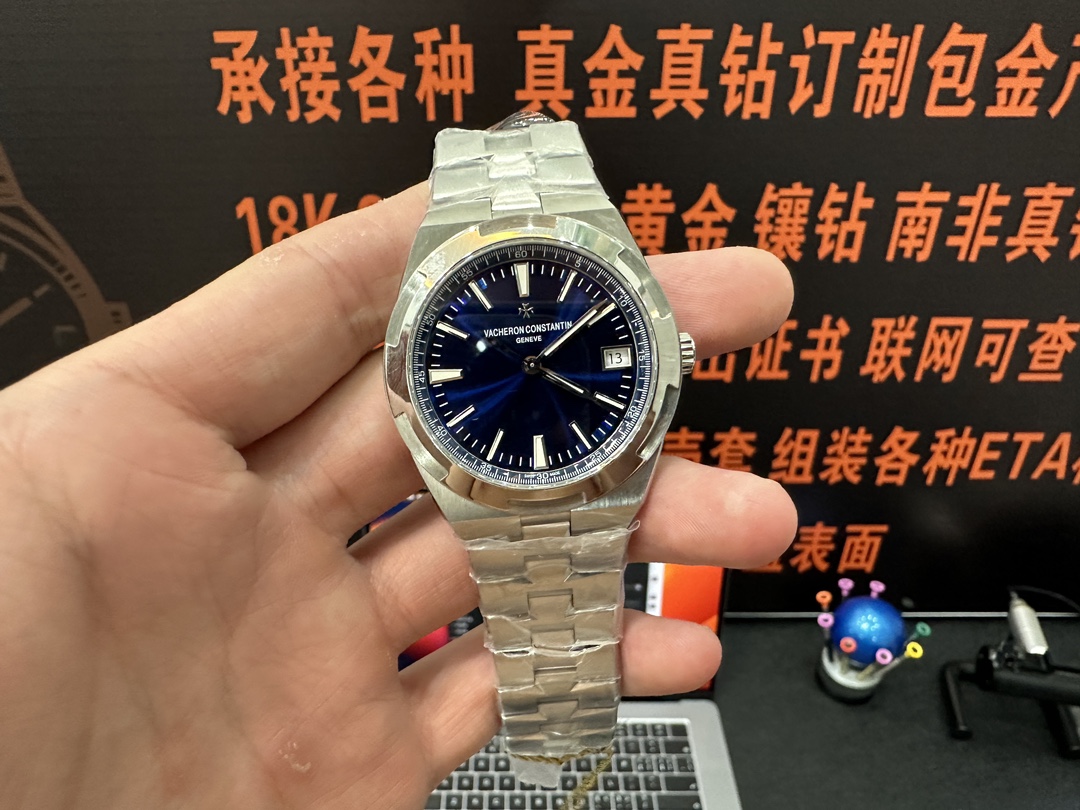
Risk in a VC replica does not spread evenly across the transaction. It clusters in narrow windows where tolerances are most exposed and responsibility shifts between hands. The first appears after assembly but before QC, when parts have been mated but not yet stress-tested, and small seating errors still look cosmetically acceptable. The second emerges after QC approval and before packing, when handling, re-casing, or strap changes can undo alignment that previously passed. The third arrives during transit, when shock loads reveal weak hand clearance, marginal calendar engagement, or loose rotors that static inspection never surfaced.
Most losses happen between steps, not within them. Buyers tend to overestimate the protective power of a green-light QC set and underestimate how fragile alignment becomes once a watch leaves the inspection bench. This is the practical core of replica shipping risk: not whether a box moves across borders, but whether the mechanical stack was robust enough to survive the last human touch and the first real-world vibration.
Understanding these windows reframes acceptance discipline: QC is not a finish line but a checkpoint that must be followed by restraint, re-verification if anything changes, and a willingness to halt the process when uncertainty re-enters—an iterative quality discipline underscored throughout the structural fidelity and alignment patterns in the Vacheron Constantin replica structural and alignment performance review.
Why Fast Approval Creates Slow Regret
Factories optimize for throughput because volume keeps operations viable. That incentive structure favors speed, not perfection, and it explains why incomplete QC sets appear, why behavior videos get abbreviated, and why re-checks are rarely offered unless requested. Only buyers enforce standards, and they do it by refusing to collapse review time into a single glance.
Fast approval feels efficient, but it transfers unresolved variance directly into ownership. When geometry passes but behavior remains untested, the watch carries latent defects that surface weeks later as rough winding, hesitant setting, or drifting dates. This is where qc approval discipline matters most. Slowing down at QC is not a courtesy to the seller; it is the only leverage a buyer has over process quality.
The correction here is procedural, not emotional. Extend review cycles, demand missing views, and re-open QC if any component changes after approval. Every additional hour spent validating behavior saves weeks of downstream frustration.
Acceptance Logic: When to Proceed, When to Pause, When to Walk
Acceptance must follow a simple hierarchy. Proceed only when geometry aligns, functions pass under load, and interfaces feel coherent as a system rather than as isolated parts. Alignment establishes reference integrity, functional checks confirm energy transfer, and interface feel reveals assembly order and lubrication discipline. When all three agree, risk compresses dramatically.
Pause when issues are cosmetic only. Minor dust, strap creases, or surface smudges do not predict mechanical failure, and they should not derail an otherwise sound build. Walking away becomes mandatory when behavior fails. Uneven winding, hesitant hands, or a crawling date are not surface defects; they are symptoms of upstream assembly problems that rarely improve with wear.
This replica acceptance framework replaces improvisation with exit criteria. It prevents sunk-cost thinking from overriding mechanical evidence and gives buyers permission to stop when the system speaks clearly.
Closing Perspective: Buying VC Replicas Is Applied Engineering Judgment
VC replicas expose process discipline, assembly truth, and buyer responsibility at the same time, and navigating them successfully is tolerance management rather than commerce, which is why vacheron replica quality judgment ultimately belongs to the person willing to enforce geometry, behavior, and acceptance boundaries even when that means walking away.