
The Overseas should not be approached as a “luxury sports watch.” It behaves like a geometry-driven wearing system whose success depends on balance, axis stability, and how load migrates across the wrist during ordinary movement. Designs from Vacheron Constantin surface tolerance faster than most because symmetry is not decorative here; it is structural. Daily rotation exposes small assembly decisions through comfort drift, dial tilt, and crown migration, while strap changes re-weight the case and reveal what the initial fit concealed. This is why outcomes from Guangzhou diverge in real use despite similar parts on paper: process discipline determines balance long before aesthetics enter the conversation. What follows treats the Overseas as a mechanical system under wear, not as an accessory, and frames practical judgment around how that system behaves over hours and weeks.
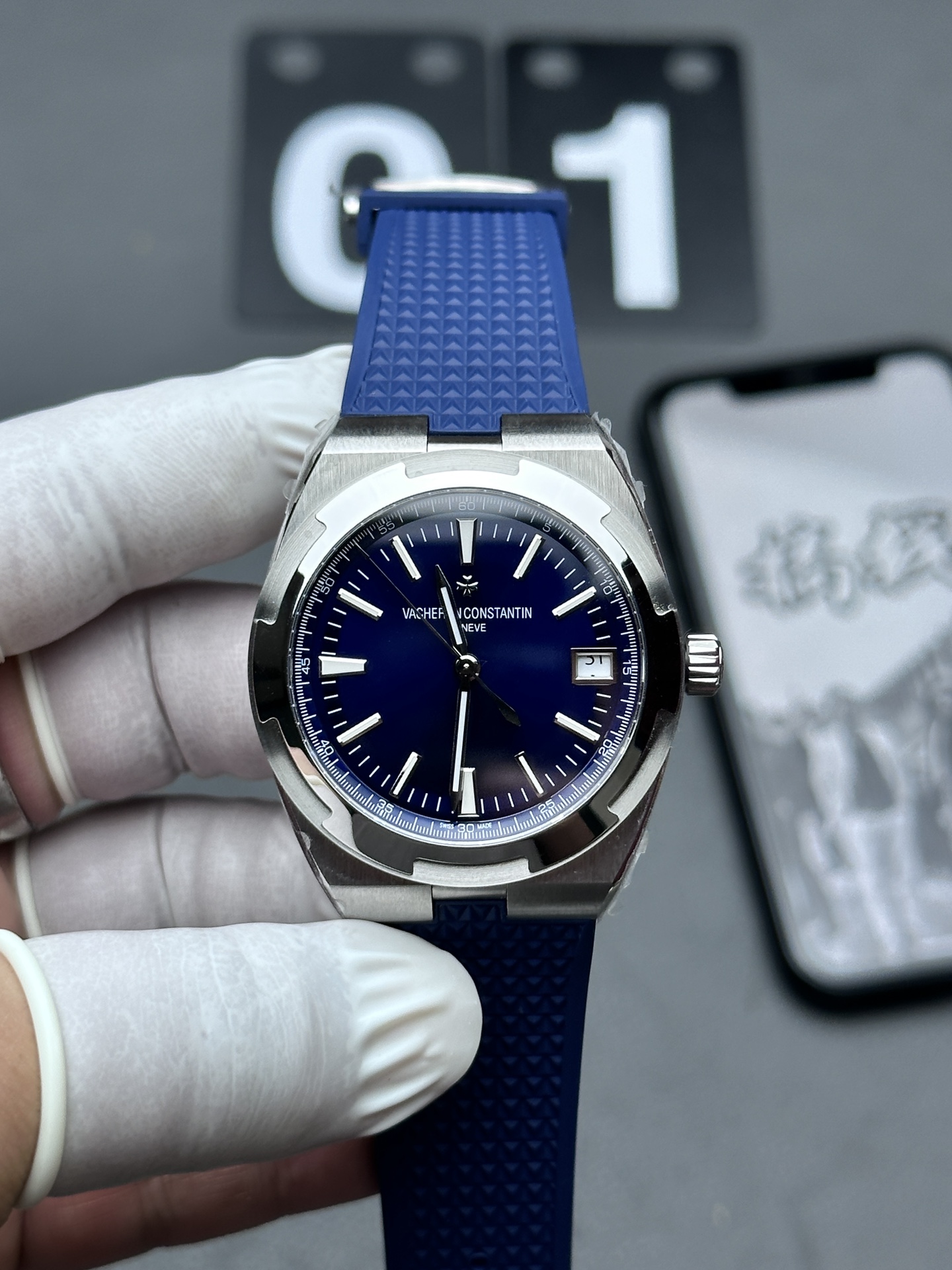
Daily Rotation Suitability Is a Balance Problem, Not a Style Choice
Overseas watches work in daily rotation only when mass distribution and center-axis alignment are controlled together. Case thickness relative to lug span defines the lever arm on your wrist, while rotor mass quietly shifts the centroid as it oscillates. Dial symmetry then amplifies micro-misalignment: what looks acceptable on a bench becomes dominant once the watch is subjected to walking cadence, desk pressure, and repeated micro-rotations. In practice, daily wear success depends on balance and axis stability, not dial color or brand identity.
The failure mode is predictable. A watch with identical weight can feel heavier after two hours because the mass sits farther from the wrist’s neutral plane, forcing your forearm to counter tiny rotational impulses all day. When the center axis drifts even slightly, the visual system reads tilt first and comfort degrades second; by evening, both are compromised. If you are evaluating vacheron constantin replica watches for rotation duty, treat balance as the primary variable and everything else as secondary.
Center Axis Dominance in Everyday Wear
Small center-axis offsets become dominant over time because the dial acts as a visual level and the hand stack acts as a moving reference. When dial geometry is true, the eye relaxes and the wrist forgets the watch. When hand stack tolerance pulls the minute hand off its radial intent, perceived tilt increases under motion and the case begins to seek a new resting orientation.
This is why comfort can collapse even when the case finish is excellent. The wrist responds to perceived imbalance by allowing micro-yaw, which compounds across steps and gestures. If the axis drifts, comfort degrades regardless of strap or case finish, and the watch will spend the day correcting itself against your anatomy.
Rotor Mass and Subconscious Wrist Fatigue
Automatic winding mass influences long-term comfort through oscillation inertia and case-back leverage. Each rotor swing introduces a small impulse that the clasp must counter, and if opposing mass vectors are not balanced, the head begins to micro-rotate toward the crown side. Over hours, this produces subconscious wrist fatigue that owners describe as “top-heavy,” even when scale weight matches a better-balanced example.
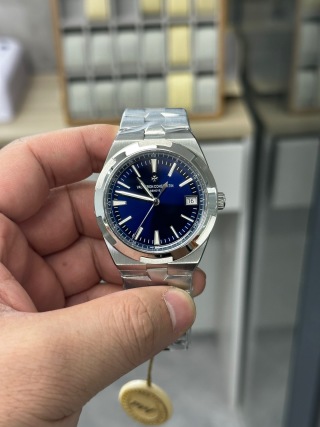
Poorly balanced assemblies therefore feel heavier at identical weights. The effect is subtle in the first thirty minutes and obvious by late afternoon, especially during desk work where repeated forearm pronation exposes case-back leverage. System assembly discipline shows up here more clearly than in any mirror inspection.
Practical Judgment Tip: Two-Hour Static Test
Wear the watch motionless for two hours during low-activity time and resist the urge to adjust it. Note crown drift and any progressive case rotation without arm swing. Any steady migration signals center-mass error rather than strap comfort. If the head seeks the same direction twice in the same session, you are observing alignment behavior, not coincidence.
Strap Switching Changes Geometry Exposure, Not Just Comfort
Steel, rubber, and leather alter load paths across the lugs and change how errors present themselves. End-link seating on steel transfers force rigidly into the case, strap stiffness vectors on rubber distribute pressure, and leather introduces controlled compliance that reduces yaw. The result is not cosmetic. Strap changes act as diagnostic tools for geometry, revealing hidden tolerances that a single configuration can mask.
This matters for china super clone vacheron configurations because flexible materials can temporarily stabilize a misaligned assembly, creating the impression of improvement. Comfort gains from a strap swap do not certify structural correctness. They simply change where the system stores error.
Steel Bracelet as a Tolerance Amplifier
Steel exposes assembly error fastest because it compresses end links against the lugs and transmits load without forgiveness — lug symmetry becomes immediately apparent, and rigid load transfer forces the case to declare its center, so when end links seat unevenly the dial horizon tilts and clasp counterweighting cannot compensate, a rigid-geometry exposure mechanism that the replica vs genuine visual signals: reading system output in Vacheron Constantin super-clones analysis uses to distinguish superficial finish from underlying structural coherence.
Steel reveals problems rubber can mask. If alignment is sound, steel feels planted and quiet. If not, it magnifies micro-errors into visible rotation and audible clasp activity during ordinary movement.
Rubber and Leather as Temporary Stabilizers
Rubber and leather can hide defects short-term by spreading pressure across a wider contact patch and reducing case yaw. Strap elasticity absorbs impulses that steel would pass directly into the lugs, while leather’s compliance dampens rotor-induced rotation. This often feels like an upgrade because the wrist experiences fewer sharp corrections.
Comfort improvement does not equal structural correctness. Flexible straps simply relocate the error into the material, delaying its return. Over weeks, the system finds equilibrium again, and the original imbalance reasserts itself.
Practical Judgment Tip: Three-Strap Rotation Test
Rotate steel → rubber → leather over consecutive days while observing end-link gaps and dial horizon shift at rest. If alignment changes across straps, the issue is systemic assembly error rather than strap fit. When geometry is correct, all three configurations settle into the same center. When it is not, each material tells a different story.

Weight Distribution Determines Perceived Size More Than Case Diameter
Perceived size in an Overseas is governed by where mass lives, not by what the calipers report. Two cases with identical diameters can feel radically different once the centroid shifts forward of the wrist’s neutral plane. Lug moment arms decide how much leverage the head applies during motion, and clasp counterweighting determines whether that leverage gets neutralized or amplified. This is why a vacheron constantin super clone can read “large” at 41 mm in one build and “contained” at the same diameter in another: physics outruns specifications.
What matters in daily use is how quickly the system recenters after disturbance. When the mass centroid sits too far toward the dial, every step produces a corrective micro-rotation that the clasp must absorb. If the clasp cannot oppose that vector, the head migrates crown-side and the watch begins to feel bigger than it is. When centroid and counterweight cooperate, the case settles back to center after each impulse, and the watch shrinks perceptually even though nothing on the spec sheet changed.
Clasp Mass as a Counterbalance Mechanism
The clasp is not an accessory. It is the primary counterweight that stabilizes the watch head against rotor impulses and arm swing. Opposing mass vectors must be tuned so that the clasp arrests motion without introducing micro-slip, otherwise the system oscillates between two imperfect equilibria.
Poor clasp balance causes top-heavy drift because the head keeps winning the tug-of-war. You feel this as repeated crown-side migration during typing or walking, followed by small manual corrections that become habitual. When system assembly discipline is present, the clasp quietly does its job: impulses die quickly, and the watch returns to center without conscious intervention.
Lug Geometry and Wrist Articulation
Lug curvature defines pressure distribution across the contact patch and sets the watch’s resistance to rotation. Excess flare narrows the effective footprint and concentrates load near the lug tips, while insufficient curvature widens contact but reduces rotational resistance. Either error changes how force travels from case to wrist.
These geometry choices compound over long wear. Lug errors magnify fatigue because they force soft tissue to absorb what proper curvature would have spread evenly. Over hours, the wrist learns the imbalance and accommodates it, which feels like gradual heaviness rather than acute discomfort. Dial geometry then becomes the visual tell: when lugs misbehave, the horizon starts to wander.
Practical Judgment Tip: Desk Lean Test
Rest your forearm on a desk and let the watch settle without touching it, then observe whether the head migrates toward the crown side within a minute — consistent migration indicates off-center mass and insufficient counterbalance, whereas if the case recenters on its own the mass vectors are cooperating, a center-of-mass behavior inspection rooted in the geometric and balance criteria described in the Vacheron Constantin Overseas replica guide with geometry-based inspection methods.
Formal vs Casual Is a Geometry Threshold, Not a Dress Code
The boundary between formal and casual in the Overseas is not dictated by clothing. It is determined by symmetry tolerance. Dial contrast, bezel edge reflection, and hand length proportionality decide whether the watch reads composed or relaxed under real light. When geometry holds, the watch carries formality across environments. When it slips, it reads casual regardless of what you are wearing.
High-contrast layouts punish small errors because light falloff makes radial spacing visible. Polished bezel edges act as mirrors that broadcast tilt. Marginally short hands destabilize the visual center, pulling attention away from the axis and toward the perimeter. This is why vacheron constantin replica watches that look acceptable indoors can lose authority outdoors: sunlight exposes what soft lighting forgives.
Dial Contrast as Error Multiplier
Darker dials accelerate detection of misalignment by increasing radial spacing visibility and sharpening edge reflections. Under bright conditions, even a fraction of a millimeter of axis drift becomes obvious as the minute track stops reading concentric.
High contrast demands stricter assembly because the dial stops hiding mistakes. When geometry is right, dark surfaces feel deep and calm. When it is not, they amplify every deviation, turning minor offsets into dominant features.
Hand Length and Visual Center Stability
Hand length governs whether the eye anchors at the center or scans the perimeter for correction. Tips that fail to reach the minute track introduce a persistent sense of incompletion, while uneven reach between hour and minute hands fractures the composition.
These small proportional errors dominate perception in formal settings because the brain expects closure at the edge. When hand stack tolerance slips, the watch loses composure even if everything else is finished well. You do not notice the hands themselves; you notice the absence of stability they were supposed to provide.
Practical Judgment Tip: Cardinal Point Spacing Check
Compare minute-track distance at 12, 3, 6, and 9 with the watch at rest — unequal spacing signals axis displacement — then repeat the check after a short walk; if the pattern changes, you are observing alignment behavior under load, not a static printing issue, exactly the kind of system-output versus superficial finish distinction highlighted in the replica vs genuine visual signals: reading system output in Vacheron Constantin super-clones analysis.