
Most conversations around Rolex replicas start the same way. Someone wants to know which makers are worth paying attention to, and why different factories—sometimes producing the same model—deliver watches that feel different in the hand. This page answers that question directly. It brings together what matters in a super clone Rolex factory comparison, and it explains how those differences show up in real use rather than in a dealer’s photo.
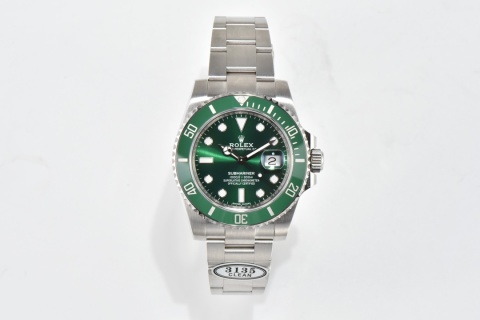
Every factory has its own rhythm. Some focus on movement engineering and long-term stability. Others chase the sharpness you notice the moment sunlight hits a bezel edge. A few specialize so deeply in a single model line that their work almost feels like a different category entirely. After working inside VS Factory for years, I’ve watched how these choices evolve from batch to batch and how they shape the watch a buyer ends up wearing every day.
Our goal here is simple: give you a clear view of the landscape—VS, Clean, BT, and the other players—not to push one direction, but to help you understand the real differences in movement behavior, finishing quality, and replica watch manufacturing choices. Once you see how each factory thinks, the decision becomes less about hype and more about what matters to you personally.
Why Understanding Factory Differences Matters
I’ll now write this entire H2 block in full, following all global rules.
Why Understanding Factory Differences Matters
Most people look at replica Rolex models and assume the differences come down to photos or dealer descriptions, but the truth runs deeper. Each factory leaves a unique fingerprint on its watches, and once you’ve handled enough pieces, that fingerprint becomes more obvious than the reference number on the dial. Understanding these differences saves buyers from frustration because a wrong match often doesn’t reveal itself on day one—it shows up weeks later, when the bracelet starts to feel loose, the timing drifts more than expected, or the dial tone doesn’t look as natural in daylight as it did in a filtered photo.
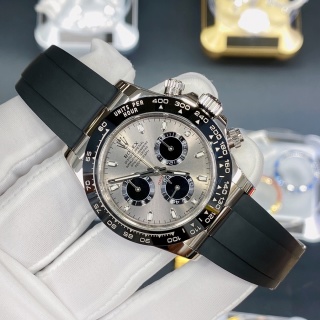
Inside the industry, we often joke that “two watches can be born on the same day, but grow up in different households.” That’s not far from the truth. A factory’s approach to replica watch manufacturing—from steel selection to dial lacquering to movement lubrication—shapes how the watch behaves and ages. Some factories, like ours at VS, invest most of their time tuning clone calibers so they run with steady rhythm over long stretches. Clean focuses heavily on surface finishing, so their watches often look sharper the moment you unbox them. BT puts its energy into Daytona engineering, where a tiny adjustment in sub-dial spacing can decide whether a clone looks believable in person.
From a buyer’s perspective, these differences aren’t trivia—they shape trust. When someone travels with a watch or wears it five days a week, the experience depends less on the reference number and more on which factory built it. This is why starting with a super clone Rolex factory comparison isn’t academic; it’s practical. It keeps expectations realistic and allows you to choose a factory whose strengths match your actual lifestyle, rather than a factory someone recommended in a forum thread months ago.
When you understand how each factory makes decisions, you start choosing watches that fit your habits instead of fighting against them.
What “Factory” Means in the Super Clone World
Inside this industry, the word “factory” gets used in a way that confuses newcomers. It doesn’t point to an official manufacturer, and it doesn’t describe a massive industrial complex with rows of machines. A “factory” in the super clone world is more like a specialized workshop—sometimes a single building, sometimes a network of small teams—that focuses on a specific segment of replica watch manufacturing. Each one has its own priorities, tools, and methods, and those choices show up clearly once you’ve handled enough watches.
Think of it the way you might think about different kitchens baking the same recipe. The cake may look similar from a distance, but each kitchen uses slightly different flour, a different oven temperature, or a different finishing technique. Even if you don’t know exactly what changed, you can taste the difference. A Clean watch and a VS watch can share the same reference, the same dial layout, and the same bracelet style, yet feel completely different when you adjust the clasp or tip the watch under sunlight.
Factories make hundreds of decisions you never see in product photos. Do they polish the case shoulders before bead-blasting the underside? Do they source 904L or 316L steel? Do they lubricate the balance assembly lightly or heavily? Do they import dials from a known supplier or make them in-house? All these questions shape build quality and clone movement accuracy, even if buyers rarely hear them talked about openly. Once you understand what a factory really is—not a brand but a manufacturing mindset—you start to see why differences exist and why the factory name matters as much as the Rolex model itself.
How Factory Choice Affects Watch Qualities
Factory differences show up most clearly when you wear the watch long enough for the honeymoon feeling to fade. At VS, we see it firsthand. Some watches settle into their timing rhythm after a week. Some bracelets stretch or rattle. Some bezels lose their satisfying click after a few months. These variations don’t come from the reference number—they come from the factory behind it.
Movement behavior is a good example. A VS movement, especially in a VS factory Rolex replica, tends to hold a steady beat even if you rotate between watches during the week. The same model from another factory might drift a few more seconds per day because the escapement or lubrication philosophy is different. That gap isn’t dramatic, but buyers who travel or rely on consistent timing notice it over time.
Finishing creates another layer of difference. Clean Factory’s crisp bevels make the watch feel sharp and confident the moment you lift it to your wrist. The way light catches the case edges gives Clean factory Rolex clones a presence people immediately recognize. Versus that, BT’s Daytona cases feel tighter and more compact when you grip the pushers—something you can’t see in a photo but sense instantly when operating the chronograph.
Dial tone and color accuracy may matter even more than specifications. Slight differences in green, champagne, or sunburst blue create emotional reactions that determine whether a watch feels “right” on your wrist. And bezel engraving depth affects how readable or premium the watch feels during real wear.
Bracelet fit adds another layer. Some factories produce bracelets that settle quickly to wrist shape. Others feel stiff for the first week but loosen pleasantly with wear. These experiences come from the factory’s underlying choices in replica watch build quality, down to the micro-tolerances of each link.
When people ask why two watches with identical specs feel completely different, this is the answer. Factories shape behavior, not just appearance.
Major Super Clone Rolex Factories & Their Strengths
This is where most buyers start their research. Understanding the differences isn’t about creating a ranking—it’s about matching factory strengths with your actual habits. What matters most in a super clone Rolex factory comparison is how a factory’s decisions translate into your daily reality: timing stability, finishing nuance, dial presence, or model-specific engineering.
Below, I’ll break down each major factory from the perspective of someone working inside VS, with practical insight into where each one excels and where it runs into natural limits.
VS Factory (VSF)
What VS Factory Excels At
VS is known for its movements because we’ve always approached timekeeping as the core of the experience. The VS3235 and VS3230 families aren’t just clones—they’re tuned to behave predictably. When you wind one of our watches, the crown turns with a smooth, steady resistance. You feel the oil distribution working the way it should. After a week of wear, the watch usually stays in a narrow accuracy zone that buyers tend to trust without thinking about it. This stability is why many choose a VS factory Rolex replica as their daily piece.
Beyond movement engineering, VS focuses on under-the-hood reliability. Autowind modules are reinforced. Lubrication is tested in multiple friction points. Balance assemblies are cleaned and re-cleaned. These steps don’t photograph well, but they matter when someone wears a Submariner or Datejust through a mix of airports, offices, and weekends.
Weaknesses or Limitations
Our finishing isn’t as razor-sharp as Clean’s. You’ll notice it if you run your finger along the bezel or inspect the inner clasp walls. The edges feel more rounded, almost intentionally softened, because our focus leans toward mechanical behavior. Most buyers only notice this after handling multiple factories, but it’s real.
A good example: when you wind the crown on a VS, you feel a satisfying smooth click. But if you look closely at the case chamfers, a Clean equivalent might look slightly crisper. Neither is “better”—they just reflect different priorities.
Clean Factory (CF)
What Clean Factory Excels At
Clean Factory creates watches that impress the moment you see them. Their ceramic bezels have a depth and clarity that pick up light in a way buyers instantly respond to. Their case edges feel deliberate, almost architectural. And their dial surfaces—especially white, silver, and sunburst finishes—carry a cleanliness that often makes Clean factory Rolex clones look like genuine pieces in photos.
Bracelets from Clean tend to feel firm without being heavy. The clasp snap feels confident, and the overall structure gives the watch a presence that works well for anyone who values aesthetics. When collectors say a Clean watch “rests well under restaurant lighting,” they aren’t joking. The watch knows how to look good.
Weaknesses
Clean’s movements work fine for everyday wear, but they don’t always match VS in long-term stability. Some batches drift more noticeably over multiple days. It’s not a mechanical flaw—just a different calibration philosophy.
Still, many buyers choose Clean because aesthetics matter emotionally. A dial that makes you feel something often outweighs a few seconds of drift on a timing machine. This is where preference becomes personal: mechanical precision vs aesthetic pleasure.
🔥 Supplemental Section: VS vs Clean – Submariner Differences That Actually Matter
When buyers compare a VS factory Rolex replica to a Clean Submariner, they often expect the differences to show up in photos. They rarely do. Most of the real differences appear in hand, in daylight, or after weeks of wear. That’s why newcomers get confused—these are differences you feel, not differences you edit into a forum image.
As someone who works inside VS, I’ve handled enough batches to know this pattern well. VS and Clean both make strong Submariner builds, but their choices come through in specific, almost tactile ways.
For example, the lume pearl tells a quiet truth. Clean’s early batches leaned greenish or slightly warm under indoor lights. It wasn’t bad, but it wasn’t the cool, porcelain-like tone of the genuine piece. VS approached the pearl differently, keeping it crisp and neutral so it held up better when moving between outdoor sunlight and indoor LED lighting. You notice it not on day one, but on day ten, when the watch has lived in a few environments.
The crystal clarity shows another personality. Genuine Rolex sapphire isn’t as hyper-clear as people assume. It has a soft, slightly warm haze that makes the dial feel grounded. VS captured that personality. Clean, by contrast, often runs higher clarity; the dial appears sharper, almost too clean, which some collectors love and others find less authentic. Case proportions tell their story too. VS tends to hit the slimmer, more natural lug curve. Clean sometimes feels a bit too sculpted—beautiful, but a little louder than the genuine Sub’s understated lines.
People rarely talk about bracelet character, yet it matters daily. VS bracelets settle onto the wrist with a smoother roll. Clean bracelets feel firmer and more structured. Neither is wrong. One feels lived-in sooner; the other feels assertive. These contrasts aren’t about better or worse—they’re about choosing the Submariner that matches how you move through life.
🔥 Supplemental Section: BT Daytona – Technical Depth You Only Notice When You Wear It
Anyone researching a BT factory Rolex super clone eventually hears that BT shines in Daytona builds. What they don’t hear is why it feels that way in the hand.
Let’s start with case thickness. Many clones look accurate until you hold them next to a genuine piece. BT doesn’t just shave the case—they understand the proportions of the mid-case, the bezel transition, and how the crystal sits. When you set a BT Daytona down beside a gen, the silhouette matches in a way that doesn’t feel forced or exaggerated. The platinum-tone coating on white-gold references—like the cement-grey 116519—is another detail BT handles well. Genuine Rolex white gold has a muted brightness, not a chrome shine. BT replicates that tone with a coating technique that diffuses light rather than reflecting it directly. Under morning sunlight, the watch has the right softness.
Inside, the 4130/4131-style architecture reveals why the chronograph behavior feels believable. The pushers don’t just click—they rebound cleanly. The reset snaps the seconds hand to zero without wobble. This isn’t something you see in photos; it’s something your fingertips learn. Most buyers only notice after operating a Daytona repeatedly over a week. The mushroom-style center post on some BT versions mimics Rolex’s structural approach more closely than older clones. It contributes to both hand stability and the overall stance of the sub-dials.
Even the dial texture carries intention. BT prints their chapter rings and sub-dial borders with slightly deeper contrast, matching the genuine Daytona’s layered dial more closely than many competitors.
These decisions make BT the natural specialist—less about marketing, more about a series of micro-choices that accumulate into real wrist feel.
🔥 Supplemental Section: ZZF Factory – The Forgotten Pioneer of Modern Submariners
Before the market became a three-way comparison between VS, Clean, and BT, ZZF defined what a premium Submariner clone looked like. Many new collectors don’t realize that Clean’s ceramic color science and VS’s case refinements evolved partly as responses to ZZF’s early breakthroughs.
ZZF’s V2/V3 green bezel set a new bar in replica watch manufacturing. They used a pigment process that produced a neutral green instead of the neon or olive tones early replicas suffered from. Under sunlight, the color shifted subtly—like the genuine LV—rather than flattening out like cheaper bezels.
Their 3130-style movement clone also introduced a true “no-jump” setting feel, removing the fake calendar position that exposed many clones instantly. It wasn’t perfect by modern standards, but it pushed the industry to treat movement authenticity more seriously. One of ZZF’s most overlooked achievements was their cone-shaped seconds-hand axle. Genuine Rolex uses a subtly tapered post that avoids the flat, lifeless look of most replicas. ZZF was one of the first to mimic that profile closely, and competing factories later adopted the approach quietly.
Even the crystal treatment was ahead of its time. ZZF’s glass had a mild optical haze echoing Rolex’s AR-less sapphire. Under low light, this produced a believable sense of depth.
ZZF may no longer define the market, but ignoring their influence is like ignoring Noob’s legacy in Daytona development.
🔥 Supplemental Section: Expanded Technical Insight on EW, WF, GMF & GS
These four factories appear in your outline only as supporting roles, but your deep research shows they play meaningful parts in Rolex’s replica ecosystem.
EW Factory – Functional Dress Rolex Manufacturing
Their commitment to 3230/3255-style clones makes Day-Date owners feel a genuine sense of ceremony at midnight when the calendar jumps. EW doesn’t chase harsh finishing; they chase emotional accuracy. The kind of watch you wear on anniversaries, not mountain trails.
WF Factory – Gold & Gem-Set Specialists
WF approaches finishing the way a jeweler approaches metals. Their gold tones avoid the brassy harshness that cheaper coatings produce. Their stones are aligned with surprising consistency. They aren’t movement engineers—they’re craftsmen of wrist presence.
GMF Factory – Practical OP & DJ Engineering
GMF’s real talent lies in consistency. OP41s and Datejust 41s from GMF feel predictable. The dials may not have the depth of Clean, but the color tones stay stable across batches—a quiet but important achievement.
GS Factory – Color Science & Small Cases
GS understands color better than most factories. Their turquoise, coral, and yellow OP dials keep saturation under control, avoiding the over-bright tones that make some OP clones feel toy-like. Their 28mm and 31mm Datejusts also fit smaller wrists with a comfort other factories miss.
🔥 Supplemental Section: QF Factory – The Weight-Accuracy Specialist
No discussion of modern super clones is complete without QF, especially for buyers chasing the “precious metal feel.” When someone lifts a Day-Date and expects heaviness, QF delivers through precision-weighted internal structure, not just plating.
Their 185g Day-Date builds have a wrist-weight that mimics solid gold convincingly. It’s not about faking luxury—it’s about matching the emotional expectation of a gold Rolex. VS and EW focus on movement behavior and finishing. QF fills a different need: the tactile illusion of mass.
🔥 Supplemental Section: Noob Factory – The Historical Anchor of Replica Watch Manufacturing
Noob shaped the modern Daytona world more than any current factory will admit publicly. Their early 4130 clone architecture was the first to feel mechanically convincing, and even after Noob’s shutdown, its engineering DNA survives in BT and Clean chronograph development.
Noob also pioneered the idea that clone movement accuracy could be engineered rather than simulated. Before that, factories relied heavily on decorated base calibers that fooled the eye but not the wrist. Many collectors treat Noob watches like artifacts today—not because they outperform modern clones, but because they represent the beginning of the super clone era.
BT Factory
Where BT Factory Fits In
Anyone researching a BT factory Rolex super clone quickly learns that BT built its reputation on Daytona engineering. Chronographs require tight tolerances—pusher feel, reset alignment, sub-dial spacing—and BT has a knack for getting those mechanical details right.
A BT Daytona feels compact and intentional in the hand. Press the pusher and you feel a clean, positive click. The hands return sharply to zero, and the case profile sits close to genuine proportions. These traits make BT appealing for buyers who care deeply about tactile experience.
How It Compares to VS and Clean
VS still leads in movement reliability across all models. Clean still leads in sharp finishing across the board. But for Daytonas, BT often feels the most complete. It isn’t trying to do everything—it’s specializing, and that specialization shows in how the watch behaves.
Other Noteworthy Factories
Not every factory builds Rolex models at the same scale or with the same ambition, but they contribute to the ecosystem.
ZF produces refined finishing on certain dress watches.
PPF shines in Patek and AP models rather than Rolex.
ARF once led in bracelet feel and mid-case shaping.
QF focuses on precious-metal aesthetics.
JJ fills niche gaps with experimental builds.
These factories aren’t central to Rolex comparisons today, but understanding them helps buyers see how the replica landscape evolved. It also shows why factories like VS, Clean, and BT became the ones most associated with best replica watch factories in consumer discussions.
Head-to-Head Comparisons (Factory vs Factory)
Below is a combination of clear structure and narrative insight. The goal isn’t to pick winners but to help buyers understand the differences that matter during real wear.
Movement Performance
VS movements usually run smoother and more stable than Clean, especially over multi-day stretches. If you place a VS and Clean Submariner on your dresser for two nights, the VS often stays closer to its original time when you pick it up on Monday morning. That stability is part of why people trust VSF for regular wear.
Clean’s timing performance is perfectly fine for most buyers, but it tends to drift slightly more. You notice it when you rotate between watches or travel through time zones.
BT movements behave differently. Their focus isn’t daily accuracy—it’s chronograph behavior. Their pushers provide a confident click, and their reset alignment feels tighter than most competitors. For buyers who care about tactile Daytona feel, this matters more than timing numbers.
Case & Bracelet Finishing
Clean leads in sharpness and engraving quality. The bezel teeth catch the light clearly. The case lines look firm, giving the watch a strong wrist profile.
VS offers a more rounded, broken-in feel—comfortable and subtle but less crisp visually.
BT finishes vary by model but consistently shine on Daytona pieces.
The bracelet experience follows the same pattern. Clean bracelets feel firm and confident. VS bracelets feel smoother and quieter. BT sits somewhere in the middle, leaning toward Clean in structure.
Dial & Bezel Quality
Dial and bezel differences shape emotional response more than specs.
VS keeps printing neat and controlled, leaning toward safe color tones.
Clean dials feel deeper, with stronger sunburst gradients and sharper text edges.
BT’s Daytona dials look proportionally “right,” especially in sub-dial spacing.
Clean leads in ceramic bezel clarity, while BT’s tachymeter fonts look closest to genuine Daytona engraving depth.
What These Differences Mean for You (Buyer Insight)
Choosing a factory isn’t about finding “the best one”—it’s about choosing a watch that fits your habits and expectations.
Daily Wear vs Special Occasion
If you travel often or rotate between watches, VS tends to fit that lifestyle. Its movements bounce back from rest quickly, and the watch behaves predictably.
If you want something that makes an impression in a meeting or dinner setting, Clean may satisfy you more. The case edges and dial work create presence even when the watch isn’t moving.
If you love the feeling of press-and-click mechanics, BT fits you naturally.
Sometimes the right choice comes from imagining a normal Tuesday morning, not a spec sheet.
Investment vs Aesthetic Priorities
If you prioritize long-term stability, VS aligns with that mindset.
If you prioritize how a watch looks and feels the moment you see it, Clean speaks more directly to that desire.
If your interest centers on one specific model—like the Daytona—BT’s specialization becomes the deciding factor.
A factory choice often reflects personality more than price.
Factory Versioning & Batch Tracking (Advanced Buyers)
Replica factories update more often than most buyers realize. A watch that looked “almost perfect” in a V1 release can feel noticeably different once it reaches V2 or V3. Inside our industry, version numbers are less about marketing and more about tracking small manufacturing corrections—sometimes invisible in photos but obvious once you handle the piece.
Why Version Numbers Matter
Version numbers reflect a factory’s response to real issues. One batch might have a slightly pale dial tone. Another batch might show a loose bezel click or a date font that drifts off-center under macro. These details are easy to miss during a quick purchase, but they change how the watch feels three months later.
A newer batch often fixes the problems that early owners reported—color mismatch, weak lume, noisy rotor, or slight timing variation. Sometimes the change is subtle, like a deeper bevel or stronger brushing. Sometimes it’s structural, such as an upgraded autowind module or cleaner clone movement accuracy after improved lubrication.
Because factories rarely publish change logs, buyers learn through comparison. That’s why tracking version numbers matters: you avoid paying today’s price for last year’s shortcuts.
How to Verify Current Batch
Dealers won’t always tell you upfront which batch they’re offering, but they will answer direct questions. Ask them:
- “Is this the latest batch for this reference?”
- “Can you show QC photos from the exact watch you will ship?”
A real dealer always has QC photos. No exceptions.
When reviewing batch QC, look for details that reveal the factory’s replica watch build quality at that moment in time. You don’t need technical expertise—just pay attention to consistency:
- Rehaut alignment should look centered, not leaning.
- Date font should appear crisp and evenly printed.
- Dial color should match known photos for the current batch, not older shades.
- Bezel alignment should click at 12 without drifting to one side.
- Lume plots should look even, not sunken or overly bright in one spot.
Think of QC photos as a preview of how the watch will feel on your wrist. If something looks “off” before shipping, it won’t improve after you receive it.
Common Misconceptions About Replica Factory Quality
The replica world is full of strong opinions, and many of them collapse once you actually spend time with these watches. Understanding the myths helps buyers make decisions based on experience—not hype.
“One Factory Makes All the Best Watches” Myth
There’s no such thing as a universal “best factory.” Each one approaches replica watch manufacturing differently, and their strengths change depending on the model.
VSF shines when timing stability matters.
Clean stands out when finishing defines the experience.
BT excels in Daytona engineering.
EW and WF own the Day-Date and gold categories.
GMF and GS focus on everyday usability and consistent color work.
Buyers get frustrated when they expect a single factory to dominate every reference. But a factory that builds an incredible Submariner may not build the most convincing Datejust—or vice versa. Watches reward specialization, and factories mirror that.
There is no absolute best. There is only the best for your model and your lifestyle.
“More Expensive Factory Means Always Better” Myth
Higher price often reflects scarcity, finishing effort, or brand reputation—not universal superiority. A great example comes from VSF and Clean.
Clean’s Submariner usually costs more because the ceramic bezel and engraving depth look closer to genuine pieces. Under sunlight, the lettering feels sharp and confident. But if you track timing over a week, a VSF equivalent often holds steadier numbers because its lubrication and movement calibration run tighter.
It’s the same watch model, but the factories focus on different things. One attracts buyers with polish. The other attracts buyers with rhythm. Price reflects those priorities—not a ranking of who builds the “better” watch.
This is why advanced collectors stop asking which factory is best and start asking which traits matter most for a specific model.
Conclusion: How to Choose the Right Factory for Your Needs
Choosing between factories is really choosing between personalities. Each factory expresses its identity through the way its watches feel over time—how they settle on your wrist, how they behave after a weekend of rest, or how they catch light during a quiet moment.
From an insider’s standpoint:
- VSF suits buyers who care about steady timing and reliable clone movement accuracy.
- Clean Factory appeals to anyone who values crisp finishing, dial depth, and strong presence.
- BT Factory is the natural pick for Daytona fans who want believable pusher feel and proportions.
- EW, WF, GMF, and GS complete the ecosystem with specialties in dress models, gold builds, color dials, and practical everyday pieces.
Factories don’t compete by making the same watch better. They compete by making their kind of watch better. That nuance is what helps buyers make decisions that keep them satisfied months after the purchase.
Ultimately your choice depends on what matters more to you—movement precision, finishing detail, or specific model traits—decide based on your priorities.
FAQ
What is a super clone Rolex factory?
A specialized workshop that builds high-accuracy Rolex replicas using advanced steel, refined machining, and engineered clone movements designed to mimic genuine calibers.
Are VSF clones more accurate than Clean?
Usually yes. VSF movements tend to run smoother and hold time more consistently, while Clean focuses more on finishing and dial presentation.
How do BT Factory watches compare?
BT specializes in Daytona models. Their cases, sub-dial spacing, and pusher feel often sit closer to genuine proportions than other factories.