
What a Vacheron Constantin Replica Really Is Today
Replica vs Super-Clone – What People Actually Mean
When people say “Vacheron Constantin replica watch”, they rarely mean the same thing.
Some are talking about a cheap copy with the logo printed on any random dial.
Others mean a carefully built piece that tries to mirror the genuine case, dial, and movement look.
When we talk about a Vacheron Constantin super clone, we mean that second group.
Size and case shape try to follow the genuine reference instead of a generic template.
Dial logo, markers, and date window sit closer to where they should be, not “almost there”.
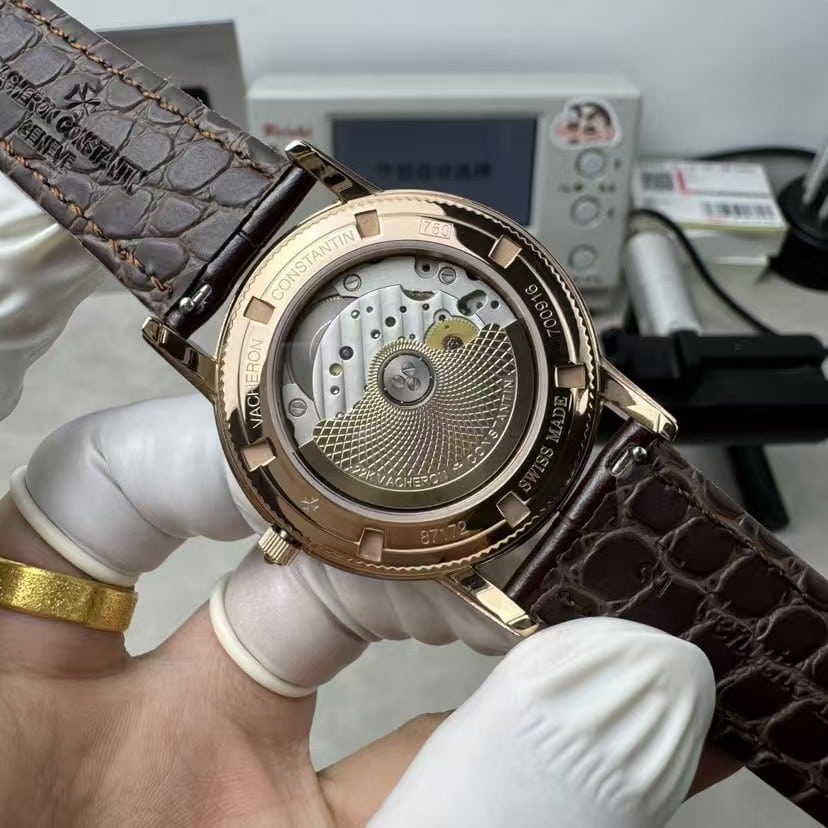
Some super-clone builders even decorate the movement so the rotor and bridges look like VC.
Under the decoration, though, you still have a familiar engine like an Asian automatic or Miyota.
VC replicas sit in a strange corner of the replica world.
They do not have the huge volume or hype that Rolex or AP enjoy.
That means fewer detailed reviews, fewer comparison photos, and more guesswork for a new buyer.
Because of that, finding a seller who actually handles these watches matters more than you think.
Without that filter, a “Vacheron Constantin super clone” can turn out to be just another loud listing.
Why Someone in the US Starts Searching “VC Replica from China”
Picture a Saturday afternoon in a US mall.
You walk past a boutique, see an Overseas in the window, then quietly check the price tag.
Five figures for a watch you might bump into a desk on Monday morning feels hard to justify.
That evening you are on the sofa, phone in hand.
You search “Vacheron Constantin replica from China” almost by instinct, just to see what exists.
You are not planning an investment; you are chasing that Overseas blue dial feeling on your wrist.
You want the VC look without the five-figure price and without treating the watch like a museum piece.
Then reality hits: there is far less clear information on VC than on Submariner clones.
You find scattered forum posts, seller photos, and a few short blog articles.
Most of them repeat the same phrases and never explain what you really get for your money.
In that noise, a calm, detailed breakdown of each Vacheron Constantin super clone becomes very valuable.
It helps you see which offers are honest and which ones just ride on the word “China” and a logo.
What You Can Expect – and What You Shouldn’t
From arm’s length, a good VC replica can look surprisingly convincing.
Case lines catch the light in a similar way, and the dial color feels “right enough” in normal rooms.
In photos, especially on social media, many people will not question what is on your wrist.
Up close, you start to see where the copy stops.
Logo printing can look slightly thicker, or the edges of markers lose some crispness.
Hands and indices may reflect light differently than on the genuine watch.
Lume can glow, but the color tone and fade speed often give away that this is not factory Geneva.
On the technical side, how close a VC replica gets is usually “good mechanical watch” level, not “high horology”. A decent movement can keep time within a reasonable range for daily wear if you treat it sensibly. You should still expect variance from piece to piece, because quality control is not as tight as at VC. The key is to hold realistic expectations for a super-clone VC before you pay. It can give you much of the visual experience and day-to-day enjoyment of the design. It will not give you the brand warranty, long-term service network, or resale value of the genuine watch. And because Vacheron Constantin replicas are a smaller niche, you need a seller who tells you these limits up front. If someone promises perfection, that is usually the first sign to slow down and look again.
Where These Watches Come From: China-Based Factories and the Replica Ecosystem
China as the Center of Modern Replica and Super-Clone Production
If you follow replica watches for a while, you start to notice a pattern.
Most of the serious “super-clone” builds are born inside a loose China replica watch factory ecosystem rather than in one single place. Cases are milled on CNC machines, dials are printed and layered in batches, and movements come from a mix of Chinese, Japanese, and “clone” calibres adapted for different brands. From the outside it can look like chaos, but to the industry it’s a fairly stable network of suppliers, workshops, and assembly rooms that feed the same global market.
For Vacheron Constantin–style pieces, this same ecosystem is at work, just on a smaller scale than for Rolex or AP. You will see Overseas and Patrimony replicas that openly mention a “super-clone level” spec, and some listings even mirror genuine codes like 47040/B01A-9094 or “5100 movement” to signal they are chasing the look of the VC calibre 5100 family used in the real Overseas. Behind that marketing, there is still a China factory cutting steel, sourcing a movement, and trying to keep tolerances good enough that the watch feels convincing on the wrist.
In this space, “super-clone production in China” doesn’t mean one magic building. It means a cluster of teams who know how to copy the VC case language, adapt movements, and keep quality consistent enough that a Vacheron Constantin replica watch can live on a real wrist in the US, not just in studio photos. For a niche brand like VC in the replica world, the key is that only a handful of these teams actually bother to do the heavy lifting, which is why choosing the right source matters even more.
Letter Factories – How People Talk About Makers Online
When people online say “factory”, they rarely mean a legal company with a front desk and a visitor badge. In forums and blogs you’ll see labels like VSF, Clean, ZF, PPF, APS and so on, used as shorthand for groups of workshops and suppliers that specialize in certain brands or models. “VSF and Clean style factories” became famous for Rolex and Omega, while names like PPF are often tied to Patek and some Vacheron Constantin projects. These are letter tags that help collectors talk about watches; they are not brand names you’ll find registered on a factory gate.

For VC replicas, the conversation shifts a bit. You’ll hear about PPF handling Overseas references like the 47040 and some 4500V styles, TW-type outfits making runs for specific cases, or BBR being mentioned around real-tourbillon builds where a Dandong-family tourbillon movement sits in a Vacheron-inspired case. Listings sometimes call out “丹东” or “Dandong 5100” to suggest a higher-end Chinese tourbillon lineage, referencing factories like Peacock that specialize in complex calibres. These tags are as much communication tools as they are technical labels.

You will also see JC-style naming around moonphase and calendar pieces that lean on imported movements like the Miyota 9100, which is a real Japanese multifunction calibre used by many OEM brands. On top of that, some makers advertise “Cal. 2460 clone” or “R31L1-style” modules to echo genuine Vacheron Constantin references such as calibre 2460 and 2460 R31L/1, the automatic base that powers VC’s own moonphase and retrograde date watches. None of this means those movements are truly Swiss or Geneva-made; it means the replica side is trying to speak the same technical language so that buyers feel they know what they’re getting.
The important thing to keep in mind is that these letter factory names for VC replicas are market labels. They help you tell one production line from another, but they don’t guarantee that every “PPF” or “TW” you see on a random listing is honest or consistent. That’s why, in a small niche like Vacheron Constantin, it’s often safer to trust a seller who explains what those labels mean and what they don’t, instead of one who just dumps a string of factory names into a title.
How VC-Style Cases, Dials, and Movements Are Split Between Factories
Because Vacheron Constantin is a smaller slice of the replica world, only a few factories put real energy into its designs. Many big names focus their main firepower on Rolex, Patek, and AP, and then roll out Vacheron Constantin replica lines in more limited batches. That’s why you might see PPF pushing an Overseas 47040 blue or black dial build with a “5100-spec” automatic, while another line that people call TW focuses on a slightly different 47040 42 mm case with its own caseback and bracelet details.
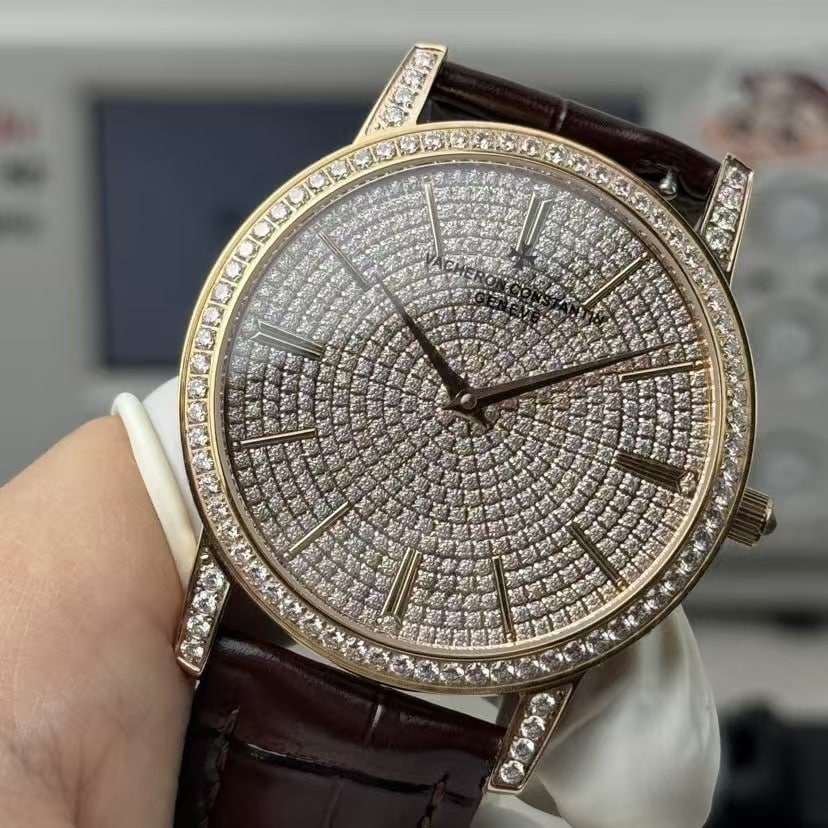
On the dress-watch side, some makers lean into Patrimony-style pieces with simpler three-hand layouts. A common pattern is to pair a clean white or silver dial with a rose-gold tone case and a Miyota 9015 or similar movement, giving you a slim profile and fairly reliable timekeeping. You’ll see this described as a Patrimony style replica with Miyota 9015, or a 9015-based 2450/2460 clone in product copy. In contrast, other factories stick to more generic Asian 2824 based VC replicas that prioritize cost and easy servicing over thinness or dial perfection.
Once complications enter the picture, the split becomes clearer. BBR-type workshops put their energy into real tourbillon builds that use high-end Chinese movements from Dandong or similar makers, aiming at buyers who want a spinning cage on the dial rather than just printed text. JC-style lines pick up moonphase and calendar watches, often advertising “original import 9100” as the base and adding modules to mimic VC functions like the Overseas or Patrimony moon phase retrograde date that use the genuine calibre 2460 R31L/1. In both cases, you’ll see movement codes such as 9100, 2460, or R31L1 used as selling points, even when the movement inside is a clone or a modified base rather than a Swiss unit.
For you as a buyer, the takeaway is not to memorize every factory and every code. It’s to understand that an Overseas 47040/B01A-9094 blue dial replica, a Patrimony style replica with Miyota 9015, and an Asian 2824 based VC replica probably come from different teams with different priorities. Some care more about the case and bracelet, some about the dial, some about showing off a movement with lots of complications. Because information on Vacheron Constantin replicas is thinner than on the usual big brands, choosing a seller who can explain which factory line they’re using, which movement sits inside, and why they picked it is often the difference between a watch you enjoy and an expensive disappointment.
How Close a VC Replica Can Get on the Wrist: Case, Dial, Movement, Bracelet
Case and Bezel – Thickness, Lines, and Everyday Feel
On a Monday morning, you put on an Overseas-style super-clone case before work.
You close the clasp, look down at the VC replica bezel, and the first impression is simple: it looks like what you saw in the boutique last month. The bezel shape catches office light in a similar way, and the brushed and polished surfaces break at clear lines instead of fading into each other. A good Overseas super-clone case gets the basic geometry right enough that, in a meeting room, nobody studies the angles on your wrist.
The difference shows up when you start to compare thickness and edges on purpose. The genuine Overseas 4500V family sits around 11 mm thick depending on the reference, with very controlled bevels and transitions on the case and bracelet. A replica can be within a fraction of a millimeter, but that last bit of sharpness in the bevel or the clean break between brushed and polished often tells the truth when you tilt it under a desk lamp. That is where “case thickness vs genuine” stops being a spec sheet number and starts being a feeling in your fingers.
Factories that care about cases, including some 9F “sun” line pieces and TW or PPF style productions, tend to spend more time on these transitions. Even in the second tier, you can get a 47450-style multi-function Overseas with a case that sits well on the wrist, has honest 150 m water-resistance construction, and does not bite your skin at the lugs. On the outside, these mid-priced builds can stand next to the first tier; the main gap is usually consistency, not the basic shape.
Dial and Hands – Blue, Black and Silver in Real Light
Dial and hands are where your eyes live most of the day.
With an Overseas 4500V blue dial replica, bright office light makes the sunburst effect look close to photos of the genuine watch. In softer morning light or under a cloudy sky, the tone may shift slightly greener or flatter than a true Vacheron Constantin replica dial should, but it still reads as “VC blue” to anyone who is not comparing side-by-side. Black dials on Traditionnelle-style pieces are more forgiving; they hide small printing flaws better, but they can also look too glossy if the lacquer is not controlled.
On a Patrimony silver dial replica, things work the other way around. The whole design is clean and open, so your eye goes straight to the printing and the hands. In a white-lit office, the minute track, logo, and slim baton hands either look calm and balanced or slightly off in proportion. That is why the same Patrimony silver / white dial can feel “luxury” in seller photos and “almost right” when you put it under your kitchen LED strip. Small differences in line thickness, marker length, and how the hands catch the light separate a top build from a rushed one.
Super-clone level makers try to control all this. They match hand length to the markers, tune the color of lume, and focus on how the Overseas blue dial replica looks in phone photos, not just under studio lights. The second tier, including some 9F and KM lines, can get surprisingly close in dial layout and printing. You might only notice the gap when you zoom in hard on a macro shot or put it next to a genuine piece under the same lamp. For daily use, most people will only see a clean VC-style dial that fits the watch.
Movement – What You Actually Get When You Flip the Watch
When you talk about a VC replica movement, there are really two stories: what you feel, and what you see.
On a closed-back piece, function matters more than looks. Many Overseas-style and Patrimony-style replicas run on Asian 2824 or 2836 automatics, or on Miyota 9015-based builds. These are workhorse movements: 28,800 beats per hour, decent power reserve, and enough parts support that an independent watchmaker in the US can service them if they are willing to touch replicas. Treated with normal care, they can give you years of everyday wear without drama.
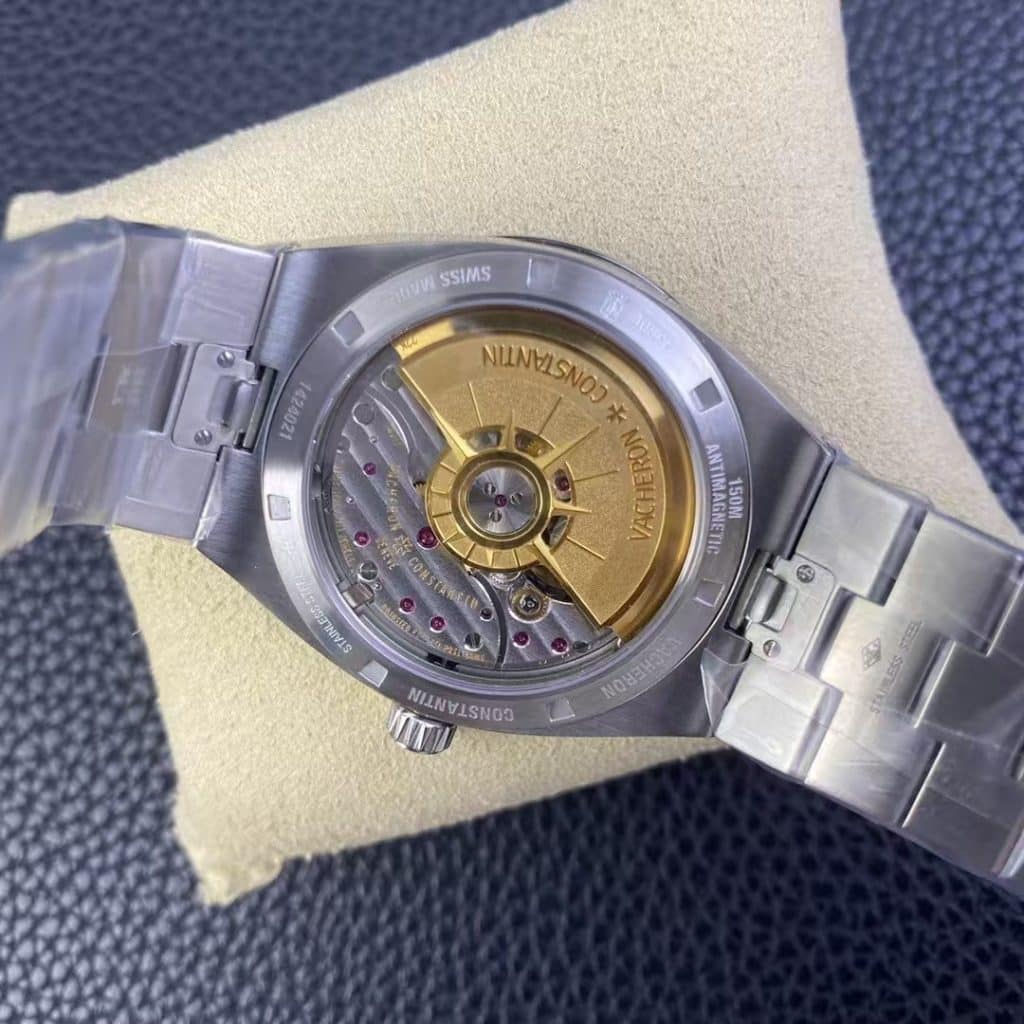
In the 47450 multi-function line that some 9F “sun” factory pieces copy, you often see a Miyota-based movement modified into a more integrated module. Beat rate stays at 28,800 per hour, power reserve is around 40 hours, and water-resistance construction is aimed near 150 m. On paper, that is far beyond what most owners will ever test. In reality, it means you can wash your hands, get caught in the rain, and not baby the watch every time you see water. For a second-tier price in the 400–600 USD range, that is a realistic, not magical, level of performance.
Once you flip over a display caseback, the decorated movement side of the story starts. Some higher builds try to echo the look of VC calibres with custom rotors and bridges. You will see “Cal. 2460-style” layouts, or tourbillon pieces around Dandong and similar movements where the cage spins at six or twelve o’clock. The bridges get plated and shaped to remind you of a genuine VC calibre, but under the decoration you still have an Asian 2824, a Miyota 9015, or a dedicated Chinese tourbillon engine doing the real work. It is a VC replica movement in look, not in birth certificate.
KM-line pieces built around something like a 2375SC automatic show where the middle ground sits. They do not try to be one-to-one Geneva inside, but they keep the rotor, plates, and screws neat enough that you do not feel cheated when you flip the watch over. Beats are smooth, winding feels normal, and the layout matches what the dial promises. These builds live in that same 400–600 USD band as 9F’s stronger offerings. They prove that you do not have to pay first-tier prices to get a movement that looks and behaves well enough for daily use, as long as your expectations stay grounded.
Bracelet and Strap – The Part You Feel Eight Hours a Day
Cases and dials catch the eye, but bracelet and strap are what your skin deals with.
With an Overseas steel bracelet replica, you notice the truth within a few hours at the keyboard. The best lines keep the edges rounded where they meet your wrist, control the gaps between links, and avoid the hollow, rattling sound that cheaper bracelets make on a desk. Clasp engagement should feel firm and predictable, not crunchy. If you drive a lot, the way the bracelet rests on the underside of your wrist around the steering wheel becomes part of the real test of bracelet comfort in daily use.
Rubber strap VC replicas change the equation. A well-cut rubber strap can hide small case tolerances and make even a slightly heavier watch feel lighter and easier to wear. If the quick-change system replica is done well, you can swap from steel bracelet to rubber in seconds without tools, just like on modern Overseas models. When the tolerances are loose, though, you will feel play between the strap and the case, or see small gaps that break the line of the watch. That is where you understand which factory really spent time on the details.
Second-tier factories like 9F and KM often hit a sweet spot here. They might not chase every microscopic bevel the way a flagship super-clone line does, but they focus on the simple things that matter over eight hours: smooth inner links, a clasp that does not dig into your wrist on a laptop, and a rubber strap that does not feel like plastic after a hot day. In practice, that can make their Overseas steel bracelet replicas and rubber strap VC replicas feel just as good as first-tier options on the wrist, even if the spec sheet and price tag look different.
Price Levels and “Super-Clone” Grades: Where Your Money Actually Goes
Entry-Level VC Replicas – When Cheap Is Just Cheap
If you have ever scrolled bargain sites, you’ve seen the bottom of the market.
A cheap Vacheron Constantin replica for under a couple of hundred dollars usually looks fine in one straight-on photo. In real life it shows its price very fast. The case feels light, the bracelet rattles, and the polishing has no clear edge between brushed and shiny surfaces. Dials can be flat and lifeless, with printing that bleeds at the edges or hour markers that don’t quite line up.
Inside these entry-level VC replicas you often find generic low-cost automatics or even quartz movements with a decorative rotor glued on. Timekeeping may be acceptable for a while, but parts and quality control are hit-or-miss. If something goes wrong, you are rarely going to find a watchmaker in the US who wants to open it up. That is why “cheap Vacheron Constantin replica” usually means “wear it for a bit, then forget about it,” not a piece you build your small collection around.
These watches have a place. If you only want to test a dial color or see whether a certain size works on your wrist, they can be a low-risk experiment. But when you start caring about how the watch feels after six months, not just how it looks in the first selfie, the weaknesses in printing, steel finishing, and movement stability make entry-level VC replicas feel more like disposable toys than real watches.
Mid-Range and High-End – Where Most Serious Buyers Land
Most people who are seriously thinking about wearing a VC-style watch every week do not stay at the bottom. They move into the mid and high range, where you start seeing proper case work, better dials, and proven movements like Asian 2824/2836 and Miyota 9015. The 9015, for example, is a slim Japanese automatic that beats at 28,800 per hour and offers around 42 hours of power reserve, with a rated accuracy of −10 to +30 seconds a day. That is more than enough for normal daily wear if the watch is regulated well.
In this band, you also see factories putting real effort into Vacheron designs. 9F’s 47450-style Overseas builds use a Miyota-based integrated movement tuned to 28,800 beats per hour with roughly 40 hours of power, plus a case that aims at 150 m water resistance like the genuine Overseas references. ZF’s take on the Fiftysix series is another good example. The real Fiftysix self-winding is a 40 mm watch, just 9.6 mm thick, with VC’s automatic calibre 1326 visible through a display back. ZF mirrors those core numbers, then builds a custom 1326-style automatic inside a 40 × 9.6 mm steel case with a proper bracelet.
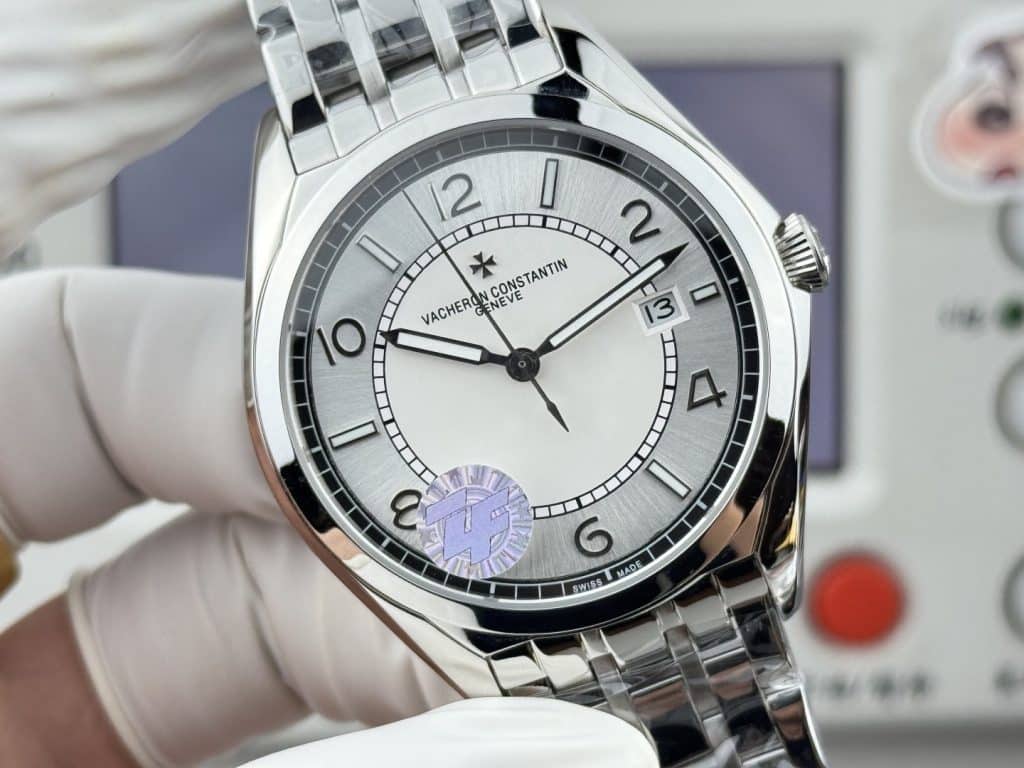
In that roughly 400–600 USD range, you start to feel why people talk about high-end VC replica pieces. Cases are cut on better CNC machines, so the lugs and bezel catch light more cleanly. Dials get more than one layer of paint or sunburst finishing, and the date window sits where it should without strange gaps. Movements are not Swiss, but they are known calibres that a watchmaker can understand. This is also where brands like ZF, already respected for their Rolex and Omega super-clone work, bring that same experience into Vacheron Constantin style pieces. For many buyers, this price band is where a watch becomes something you can rely on, not just try.
Super-clone level finishing lives inside this mid-to-high zone. It doesn’t mean the watch is perfect. It means the builder spent money where it feels important: steel, machining, dial work, and a stable movement. The extra hundred or two you pay over an entry-level piece is not just markup. It is the difference between a watch you forget in a drawer and one you reach for on a Monday morning without thinking twice. That is the real movement cost vs case cost balance you are paying for.
What You Pay for in a VC Super-Clone
When a seller asks super-clone money for a Vacheron Constantin replica, you are really paying for invisible hours. The first chunk goes into the case. Good factories spend months tearing down a genuine watch, measuring every curve and surface, then rebuilding it in CAD before cutting steel. That CNC case work is what gives an Overseas 4500V-style or Fiftysix-style replica the right profile, the right 41 or 40 mm stance, and the right 11 or 9.6 mm thickness on the wrist. Those last tenths of a millimeter are where money disappears into metal shavings.
The second chunk goes into the dial and hands. A super-clone level Overseas or Patrimony dial is not just “silver” or “blue”. It has a sunburst base, a separate track for the minutes, and printing that stays sharp even when you zoom your phone camera right in. Fonts need to match the genuine watch, not just be roughly similar. Logo spacing, marker length, and the thickness of each line are adjusted again and again until they feel right. That dial printing quality, plus properly polished and beveled hands, is what makes a watch feel expensive even if you never flip it over.
The last chunk is movement work and decoration. In some models, like PPF’s 4500V-style Overseas, factories design a rotor and bridge layout that echo the genuine VC calibre 5100, so a quick glance through the caseback looks convincing. In others, such as ZF’s Fiftysix-style pieces with a 1326-inspired movement or BBR’s tourbillon builds around Dandong movements, the focus is on making the mechanics match the story on the dial as closely as possible. You are not buying a real Geneva-made calibre, but you are paying for someone to care about how the movement looks and behaves, not just that it spins.
Put together, this is what makes a VC super-clone more expensive than a generic copy. You are paying for sharpened bevels instead of soft edges, for a bracelet that feels like steel not tin, for a dial whose printing still looks clean after a year of wrist time, and for a movement choice that a watchmaker can actually service. Around the 500-dollar mark, factories like PPF, ZF, 9F, and KM can deliver that mix if you pick the right model. From there, it’s less about chasing the highest possible price and more about deciding how much of that invisible work matters to you every time you buckle the watch on.
How to Read Product Pages and Photos Without Getting Lost in Hype
Factory Names and Codes on a Product Page
When you open a product page, the first thing you usually see is a mix of brand name, model code and something like “PPF style” or “ZF factory”. That “factory code on listing” is there to tell you which China factory label the watch comes from, not to prove it is official or licensed. On this site we follow the same habit, but we write it clearly: we’ll say “PPF-style 4500V” or “ZF-style Fiftysix” instead of pretending there is a public, legal “PPF company” you can visit.
In the replica world most of these factory tags are nicknames the community created. They help people tell one production line from another, the same way you talk about car platforms or chip generations. They do not mean a single building, one owner, or one fixed quality level forever. Even well-known labels can have strong batches and weak batches. That’s why we keep repeating that there is no single “best” factory for every Vacheron Constantin replica. The tag matters, but the photos, specs and our own checks matter more.
I work inside a VS-line factory in China, so I see every day how these labels are used internally and in the market. Sometimes one line helps another with parts or movements; sometimes a project switches hands but keeps the old name because dealers already know it. When we write a China factory label on a listing, we do it to give you a map, not to guarantee magic. If a future batch changes hands or spec, we will say so in the description instead of hiding behind three letters.
Movement Lines – What “Asian 2824”, “9015” and “Custom” Really Mean
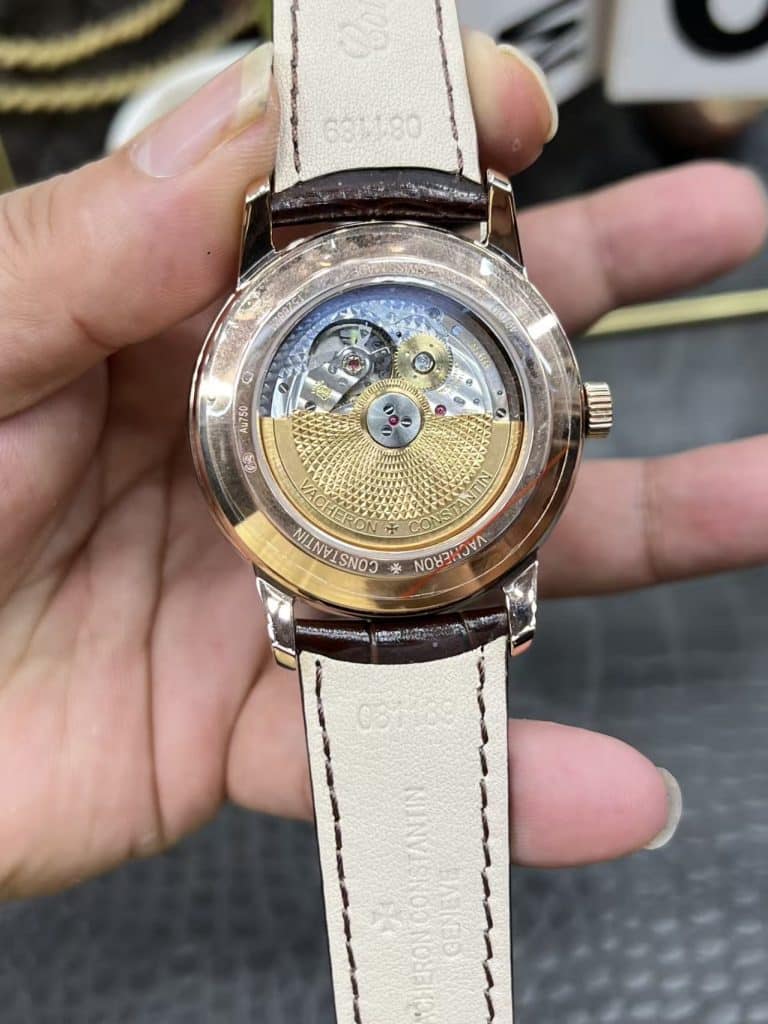
Most product pages will have a short line like “Asian 2824”, “Miyota 9015” or “custom decorated movement”. If you don’t live in watch forums, this reads like code. Here is what it actually feels like on the wrist.
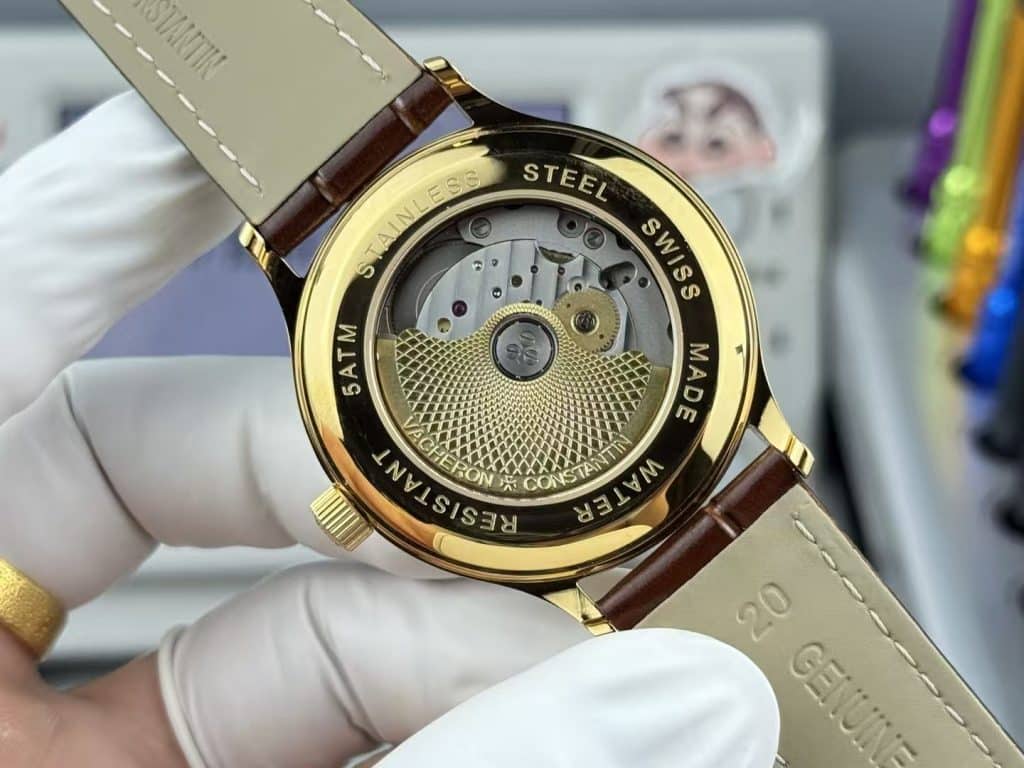
An Asian 2824 movement is usually a clone of the Swiss ETA 2824-2. The original 2824-2 is a 25-jewel automatic that runs at 28,800 beats per hour with roughly 38–40 hours of power reserve and has been used in countless Swiss watches since the 1980s. Clone versions copy that spec: smooth seconds hand, familiar winding feel, and decent accuracy when regulated. Noise level is normal for a mechanical watch; if you hold it close to your ear, you’ll hear a steady, fast tick and sometimes rotor movement when you shake your wrist. A watchmaker in the US who services mechanical watches can usually understand and service an Asian 2824-style movement, even if they don’t love the word “replica”.
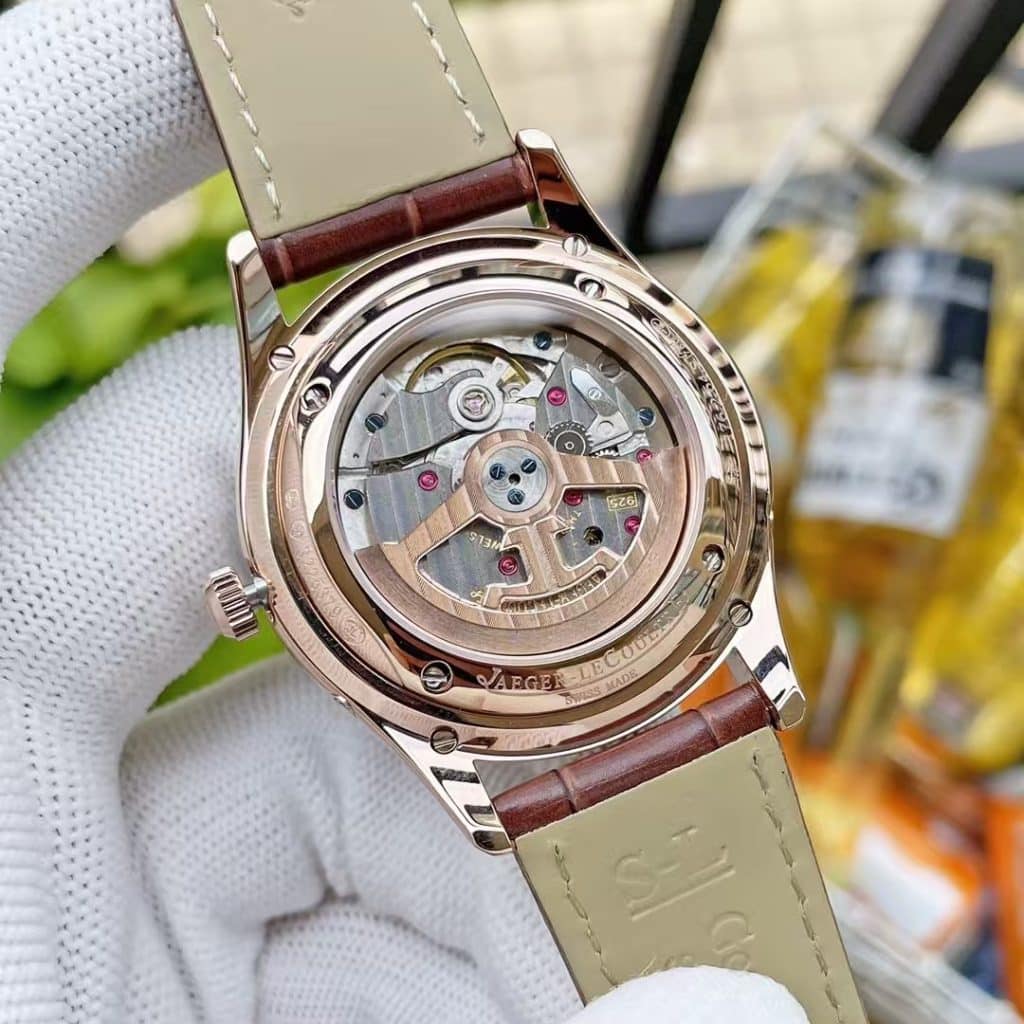
Miyota 9015 is a Japanese automatic movement that a lot of microbrands also use. It is slim at about 3.9 mm thick, runs at 28,800 beats per hour, and offers around 42 hours of power reserve with a factory accuracy rating of −10 to +30 seconds per day. In practice that means a thin case, a smooth sweep, and a movement that can keep sensible time if regulated. The rotor can be a bit louder than Swiss designs, so you may hear it spin in a quiet room. For many VC-style replicas, especially Patrimony or Fiftysix pieces that need to stay thin, Miyota 9015 is a very logical choice.
A custom decorated VC replica movement usually means the base is something like an Asian 2824 or Miyota 9015, but the bridges and rotor have been reshaped and plated to echo a genuine VC calibre such as 5100 or 1326. From the back you see Geneva-style stripes, a shaped rotor and engravings that match the story on the dial. Under that decoration, though, the mechanics still behave like the base movement. You get the same beat rate, similar power reserve and the same service reality as the underlying calibre, just with a more convincing view through the display back.
On our product pages we will always tell you which base you are getting and whether the movement is stock, modified, or fully custom decorated. If you care more about silent winding and easy service, we’ll say that. If you care more about how the movement looks through the glass, we’ll point out when a build spends more money on plates and rotor than on hiding noise. The idea is simple: you should understand what those three or four words under “movement” mean before you decide if the price makes sense.
Photos and QC – What to Look at in 30 Seconds
Most buyers skim photos far too fast. They see one straight-on shot, think “looks fine”, and approve. Then the watch arrives and the first thing they notice is a crooked marker or a date window that sits too low. The whole point of QC photos for VC replicas is to catch these things before the box leaves China.
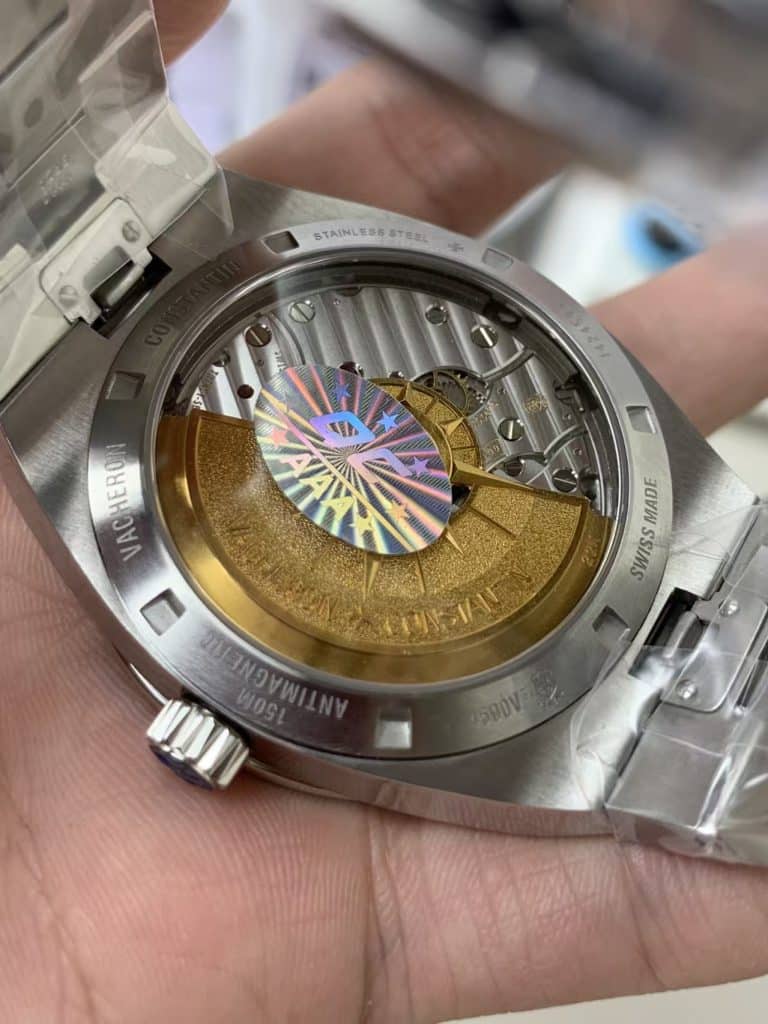
A simple habit helps. Start with the dial. Look at the logo and print, not just the brand name. Are the letters clean and even, or do they look fuzzy at the edges? Guides for spotting fake luxury watches make the same point about date windows and fonts: genuine pieces have crisp, even numbers and consistent spacing, while poor copies show wonky alignment or “bleeding” ink. Check the dial alignment by seeing whether the minute track lines up with the hands and markers at 12, 3, 6 and 9. Then look at the hands length. On most Vacheron designs, the minute hand should reach neatly into the track, not stop awkwardly short or hang too long over it.
Next, check the date window position. On a lot of VC references, a date that is even half a millimetre low or high will jump out once you notice it. Look at several QC shots, not just one, so you don’t get fooled by lens distortion or angle. After the dial, take one extra minute to look at side shots of the case and the bracelet or strap. You want smooth transitions between links, even gaps, and a clasp that closes flush, not a piece that already shows rough edges before you even wear it.
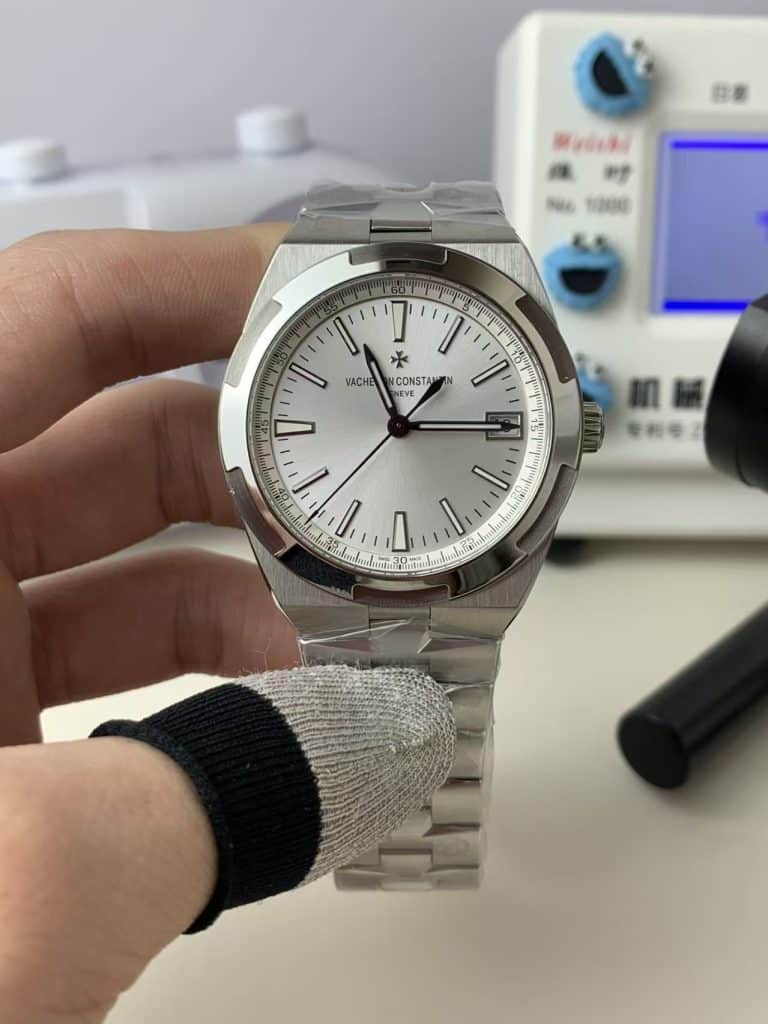
On this site we push QC one step further because I’m physically in a VS-line factory. If you need more than photos, we can record short movement videos or even do a quick video call so you can see the watch running, hear the rotor, and check details live before shipment. That doesn’t make the watch genuine, but it does cut down on surprises. If you use your thirty seconds on each QC set this way—and ask for a video when something still feels off—you’ll dodge most of the avoidable problems that other buyers only discover after the parcel lands.
How We Review Vacheron Constantin Replicas on This Site
What We Actually Handle Before Writing About a Watch
When we say we review VC replica watches, it means we’ve actually had the watch in our hands under normal light, not just copied a seller’s catalog. Before any piece goes on the site, we handle it on the desk, under a window, and under basic indoor lighting. We look at the case lines from different angles, check how the brushing and polishing break, and run a finger along the lugs and bezel to feel for sharp spots.
On the dial side, we check printing, logo edges, and how the minute track lines up at 12, 3, 6, and 9. Hands get the same treatment: length, shape, and how they catch the light when you tilt your wrist. If there is lume, we charge it with a simple light and see how it looks in a dark room, not just in long-exposure photos. Then we pay attention to the bracelet or strap—how it drapes on the wrist, whether the clasp closes cleanly, and whether any link or edge digs into the skin during real-life use like typing or driving. Only after these hands-on checks and a few hours of real-life use do we start writing.
Because I work directly inside a VS-line factory, we can also pull a sample off the line, check the movement on a timegrapher, and feel how it winds and sets. That doesn’t make us perfect, but it means every write-up starts from a watch we’ve actually worn, not from stock images and wishful thinking.
How We Talk About Factories, Movements, and Versions
A lot of sites lean on big words: “best factory”, “100% same as genuine”, “ultimate super clone”. We don’t. When we talk about movement and factory info, we stay close to what we can see and measure. If a piece comes from a PPF-style 4500V line, a ZF Fiftysix run, a 9F 47450 build, or a KM dress model, we’ll say so and then explain what that actually means on the wrist—case work, dial quality, and movement choice—rather than treating the factory tag as magic.
The same goes for version notes. Labels like V2, V3, or “2024 update” are only useful if you know what changed. If a newer batch fixed bezel brushing and date-wheel fonts, we’ll write that. If the only difference is a new marketing name, we’ll write that too. When a movement is an Asian 2824, a Miyota 9015, a Dandong tourbillon, or a custom decorated VC replica movement, we spell it out so you know what a watchmaker will find inside. Our goal is an honest description not hype: you should finish a review with a clear picture of strengths, weak spots, and trade-offs, not just a feeling that everything is “top quality”.
Why Real Photos and Wrist Shots Matter More Than Spec Sheets
Spec sheets are easy to copy, and many replica listings do exactly that. Case diameter, thickness, water-resistance claims and movement names get pasted from one page to another with no checking. In real life, what convinces you is not a list of numbers—it’s what the watch looks like on a normal wrist in normal light. That’s why we put real photos of VC replicas and wrist shots ahead of long parameter tables.
Every watch we list gets our own photos: straight-on dial shots, angled shots to show case lines, close-ups of printing and hands, and at least one wrist shot in simple, unedited light. You should be able to see how the steel reflects, how the dial color shifts, and whether the bracelet sits flat or gaps awkwardly. We still include basic specs, but we keep them short and let the images carry most of the story—less spec sheet, more reality.
If you need more than photos, we can also record short movement videos or do a quick video call from the factory, so you can see the rotor spin, hear the tick, and double-check details before you approve QC. In the end, our method is simple: we show you the watch the way we see it and tell you what we honestly think. You get the information and the images you need, and you decide whether that particular Vacheron Constantin replica fits your wrist, your budget, and your life.
Should You Actually Get a Vacheron Constantin Replica? Our View, Your Call
Vacheron Constantin replica watches sit in a very specific place. The genuine Overseas and Fiftysix models are 40–41 mm steel or gold pieces with in-house calibres like 5100 and 1326, 60 or 48 hours of power reserve, and detailed finishing that has to pass Geneva-level standards. High-end replicas and super-clone level watches borrow those specs as targets. They come out of a network of China factories and lines—PPF at the top for Overseas, ZF for pieces like the Fiftysix, 9F and KM for strong mid-range builds, and KB and others filling the second tier. On the wrist, at normal distances, a well-made Vacheron Constantin replica can get very close to the look and day-to-day feel of the genuine watch, but it will always remain a replica in origin, support and long-term value.
Our view is straightforward. We think a well-chosen Vacheron Constantin replica or super-clone level watch can make sense if you know exactly what it is, accept the limits, and match it to your real life instead of a fantasy. Paying more for a PPF 4500V-style Overseas or a ZF Fiftysix usually buys you sharper case lines, better dial work and a more trustworthy movement; saving money with a KB or similar mid-range line can still be smart if you understand that some details will not be as refined. The gap between tiers is not just price—it’s time spent on CNC work, dial printing, bracelet finishing and movement choice, the things you start to notice after months of wear, not minutes on a product page.
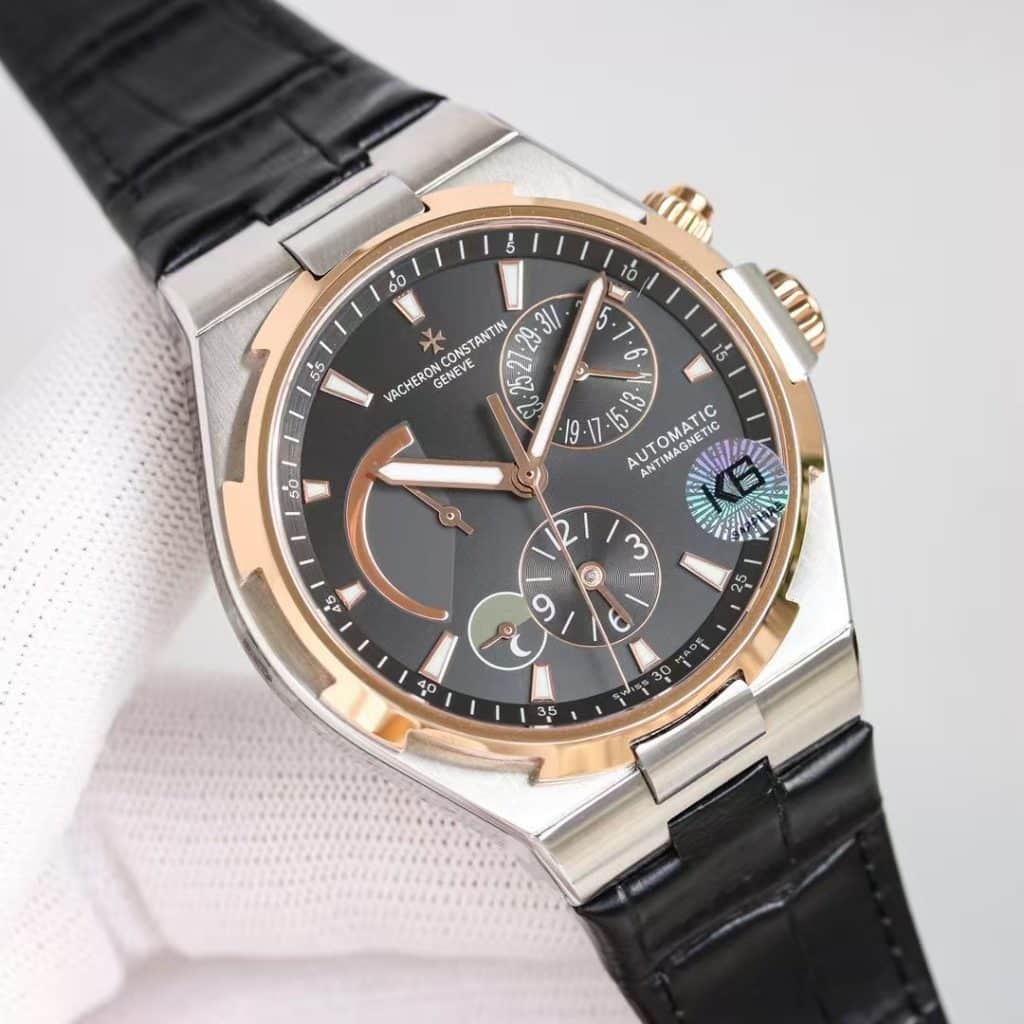
What you do with this information is up to you. You can save for a genuine Overseas or Fiftysix and enjoy the full Vacheron Constantin experience with factory support and resale value. You can stay away from replicas completely if the idea does not sit right with you. Or you can pick a Vacheron Constantin replica that fits your budget, your wrist and your risk tolerance, whether that is a top-tier PPF Overseas or a more modest KB or KM build. Our job is to show you how these watches are built, where they differ from the real thing, and what you actually get for your money; the final call is always yours.
Learn more about Super Clone Vacheron Constantin
- Vacheron Constantin Overseas Replica Guide
- Ultimate Vacheron Constantin Patrimony & Traditionnelle Dress Watch Replica Guide (2026)
- The Definitive Guide to China Replica Vacheron Constantin Factories
- The Ultimate Guide to Vacheron Constantin Replica Movements (Super Clone & China Clones, 2026)
- Vacheron Constantin Replica vs Genuine: The Ultimate 2026 Comparison Guide