
The replica watch market is a landscape fraught with hidden pitfalls, especially when venturing into the realm of “super clones” from esteemed factories like VS Factory (VSF) or XF for Panerai. The allure of a high-quality replica at a fraction of the genuine article’s price often overshadows the inherent risks. Many buyers, fueled by enthusiasm, dive in relying on what they perceive as “Trusted Dealers” (TDs), only to find themselves ensnared in scams, receiving inferior products, or losing their money entirely. To navigate this treacherous terrain safely, exploring safest payment options is crucial. This article isn’t just another guide; it’s a systematic, verifiable framework designed to equip you with the tools to vet sellers proactively, identify critical red flags, and build your own independent judgment without relying solely on potentially compromised forum endorsements.
Understanding the “Trusted Dealer” Mythos and Market Reality
The term “Trusted Dealer” (TD) in the replica watch community carries a heavy weight of expectation, often implying a level of reliability akin to an authorized retailer. However, this perception is fundamentally flawed. In an unregulated market, “trust” is a commodity easily faked and rarely earned without rigorous, independent verification. The reality is that the replica ecosystem thrives on anonymity and a lack of accountability, making every transaction inherently risky. Establishing a baseline of healthy skepticism isn’t just advisable; it’s essential for protecting your investment and avoiding disappointment.
The Evolution of “TD” Status: From Forum Endorsement to Independent Verification
The concept of a “Trusted Dealer” largely originated from dedicated replica watch forums like RWI (Replica Watch Info) and RepGeek. These forums, initially built on community vetting, allowed members to share experiences, positive or negative, about various sellers. Dealers who consistently delivered quality products and good service gradually earned “TD” status, often marked by a badge or special designation. The idea was sound: leverage collective experience to identify reliable sellers.
However, this system, while well-intentioned, possesses inherent vulnerabilities. Over time, these lists can become outdated as dealers’ practices change, or new scams emerge. Accounts can be compromised, leading to imposters posing as legitimate TDs. There have even been instances where “paid placements” or preferential treatment influenced rankings, diluting the integrity of the endorsement. Consequently, while a “TD list” can serve as a useful starting point for discovering potential sellers, it should never be considered a definitive endorsement or a substitute for your own rigorous due diligence. It’s a directory, not a guarantee.
The High-Stakes Nature of Super Clone Purchases (Panerai VS/XF)
Purchasing a Panerai super clone from factories like VS Factory (VSF) or XF Factory represents a significant financial commitment within the replica market. These aren’t budget-tier watches; they often command prices ranging from $400 to $650, sometimes more for complex models. This price point places them firmly in the territory where buyers expect near-perfection: accurate movements (like the VS P.9000 clone), correct case proportions, and meticulous dial finishing. The expectation of quality is high, and rightly so.
This higher investment demands a proportionately more rigorous vetting process. Losing $50 on a low-tier replica is frustrating; losing $500 or more on a promised VS or XF super clone that never arrives, or turns out to be a cheap imitation, is a far more impactful blow. The financial and emotional stakes are substantially elevated, meaning the casual approach often taken with cheaper replicas simply won’t suffice. Your vetting process must be as “super” as the clone you’re trying to buy.
Information Asymmetry: What Dealers Know That Buyers Don’t (and How to Bridge the Gap)
Every transaction in the replica market is characterized by a significant information asymmetry. Dealers operate within a complex, opaque supply chain, understanding factory nuances, production cycles, and quality variations that are largely hidden from the average buyer. They know the genuine product, the replica’s limitations, and often, how to leverage a buyer’s lack of information to their advantage. This power imbalance means buyers are often at a disadvantage, reliant on the dealer’s claims.
Bridging this gap requires proactive strategies. Instead of passively accepting information, you must actively seek it, verify it, and challenge inconsistencies. This means demanding specific, high-resolution Quality Control (QC) photos and videos, asking detailed technical questions about movement specifics or material grades, and cross-referencing factory claims with independent community knowledge. The goal is to force transparency from the dealer, compelling them to provide verifiable data that allows you to make an informed decision, rather than just taking their word for it.
Expert Dealer Vetting Insight
Verifiable Diagnostic Protocol: Prioritize sellers with a demonstrable history of transparent, unedited communication and a clear, publicly accessible record of past transactions that extends beyond a single forum. Look for evidence of continuous operation under the same identity. This means actively searching for their presence across multiple independent platforms—forums, Reddit, social media—and assessing the consistency and longevity of their interactions. A dealer who has operated under the same verifiable identity for several years, with a consistent track record of positive community feedback, is inherently less risky than a newly established seller, regardless of any “TD” badge.
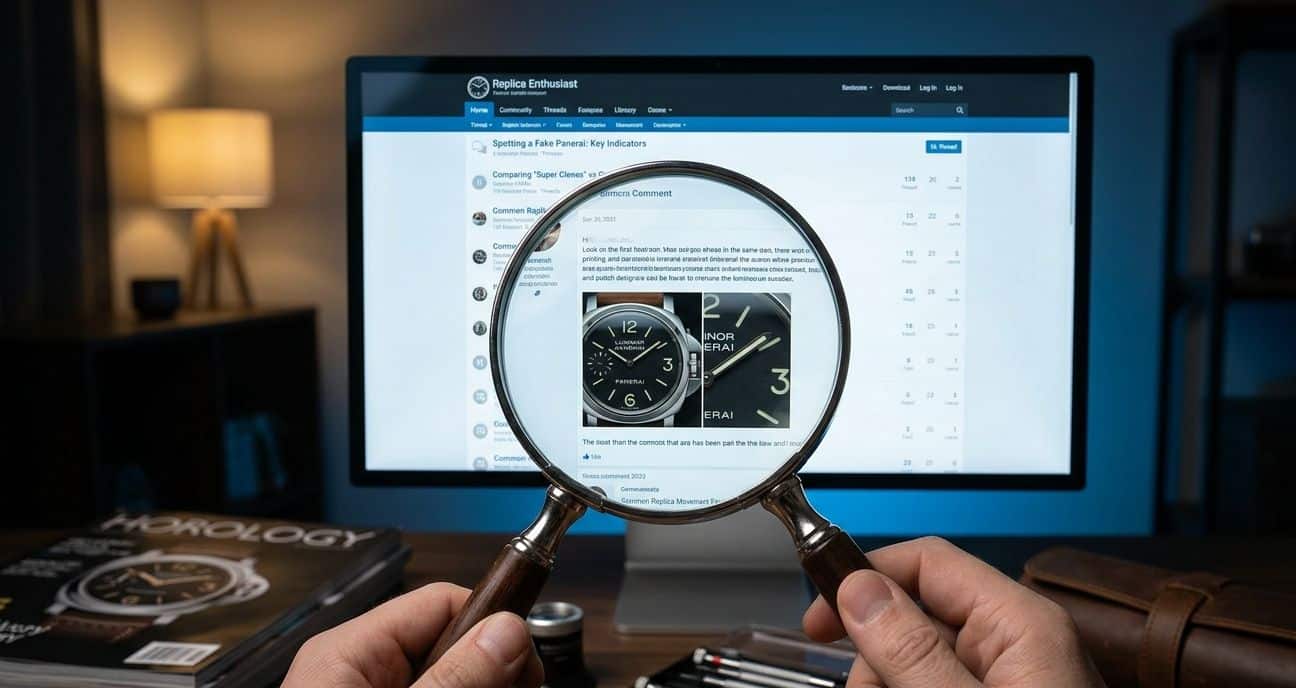
The Digital Footprint: Domain History & Online Presence as First Indicators
In the digital age, a dealer’s online presence serves as their primary storefront and, crucially, their initial resume. Before engaging in any direct communication, a thorough analysis of their digital footprint can reveal significant red flags or, conversely, early indicators of legitimacy. This initial investigation into their website and associated online assets is a critical first step in vetting any potential seller.
Domain Age and Registration Details: A Foundation of Trust
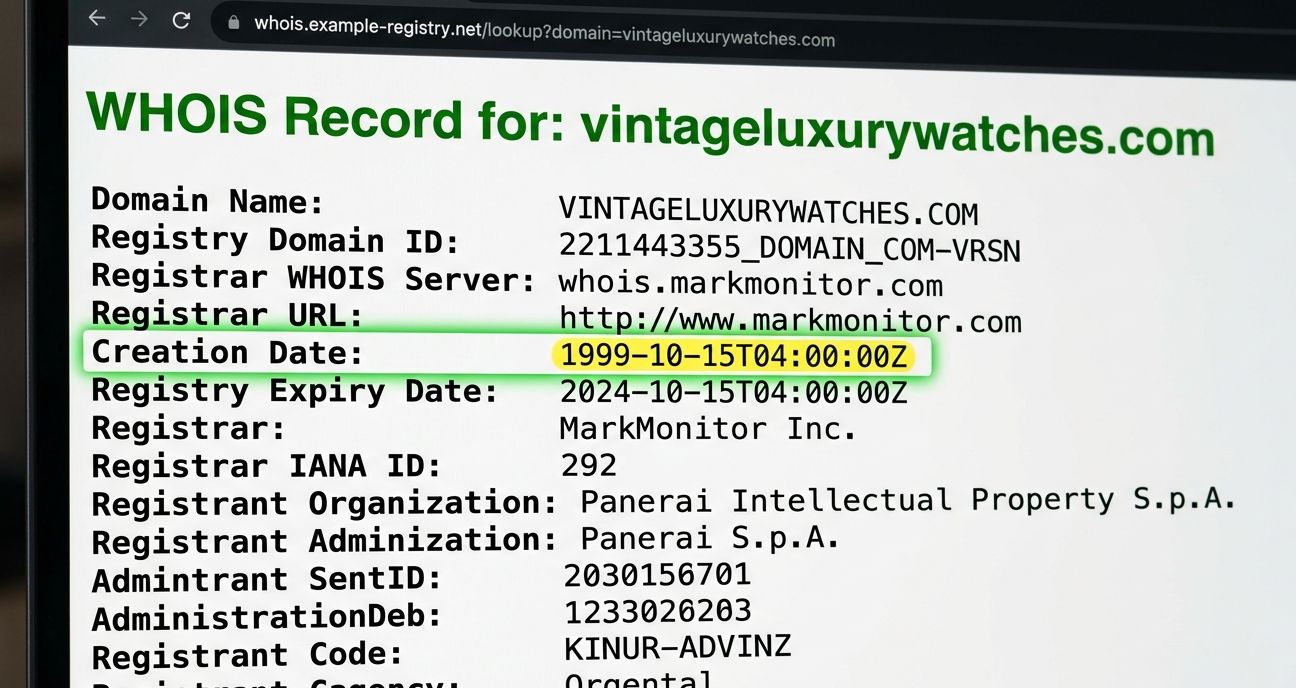
One of the simplest yet most effective initial checks is to investigate a dealer’s website domain. Scammers frequently operate with newly registered domains, which they can quickly abandon once their scheme is uncovered. Legitimate, long-standing dealers, however, typically maintain domains that have been registered for several years.
Tools like WHOIS lookup services (easily found via a quick search for “WHOIS lookup”) allow you to check a domain’s registration date, registrar, and sometimes even historical changes. A domain registered less than 1-2 years ago should immediately raise a red flag, especially if combined with privacy protection that masks the registrant’s details. While some legitimate businesses use privacy protection, its presence on a very new domain, particularly in a high-risk market, is suspicious. Look for a history of continuous registration and consistent ownership details, as these suggest a more established and committed operation.
Website Quality, Content Originality, and Security Certificates
The quality and professionalism of a dealer’s website can tell you a lot. A well-designed, functional website with clear navigation, original product descriptions, and high-quality images suggests a dealer who invests in their business. Conversely, a hastily constructed site riddled with typos, broken links, or generic, copied content is a significant warning sign.
Pay close attention to:
- Originality of Content: Use reverse image search tools (like Google Images or TinEye) to check if product photos are unique or simply lifted from other sites. Plagiarized descriptions are also a red flag.
- SSL Certificates (HTTPS): Ensure the website uses HTTPS (indicated by a padlock icon in your browser’s address bar). This signifies an SSL certificate, which encrypts data transmitted between your browser and the site. Its absence means any information you submit (including payment details) is vulnerable. While HTTPS doesn’t guarantee legitimacy, its absence is a glaring security oversight for any e-commerce site.
- Functionality: Test contact forms, search functions, and navigation. A site with numerous broken elements indicates a lack of maintenance and professionalism.
Templated sites with minimal customization and generic product listings often characterize fly-by-night operations.
Cross-Referencing Online Identities: Forums, Social Media, and Messaging Apps
Legitimate dealers often maintain a consistent online identity across various platforms. If a dealer claims to be a “TD” on a specific forum, check if their website, WhatsApp number, or social media handles (if they use them) consistently align with the identity presented on that forum. Scammers frequently create new, disconnected profiles or clone existing ones to intercept buyers.
For example, if a dealer provides a WhatsApp number, verify that number against any publicly listed contacts on their website or forum profile. Look for long-term activity on these platforms, not just recently created accounts. Inconsistencies—such as different usernames, newly established social media profiles with minimal activity, or contact details that don’t match across verified sources—are strong indicators that you might be dealing with an imposter or a less-than-reputable seller.
Expert Dealer Vetting Insight
Verifiable Diagnostic Protocol: Conduct a WHOIS lookup and a comprehensive Google search for the dealer’s domain. A domain registered less than 1-2 years ago, especially if coupled with privacy protection that masks registrant details, is a significant red flag requiring extreme caution. This combination often points to a shell operation designed for short-term scams. Any dealer that appears to have only a very recent digital footprint should be approached with the highest degree of skepticism, regardless of any claims of “trusted” status.
Communication Protocols: Decoding Dealer Language & Responsiveness
Beyond the static elements of a website, the quality and consistency of a dealer’s communication serve as a critical window into their professionalism, expertise, and ultimately, their trustworthiness. How a dealer interacts with you can reveal much about their operation, helping you distinguish between a legitimate seller and a potential scammer.
Response Times, Language Fluency, and Professionalism
When you initiate contact, observe the dealer’s response patterns. While instant replies are unrealistic given time zone differences and business volumes, a consistently delayed or nonexistent response is a red flag. Aim for replies within 24-48 hours. Beyond mere speed, evaluate the quality of the communication:
- Language Fluency: While many dealers operate from non-English-speaking regions, their communication should be clear, understandable, and professional. Minor grammatical errors are acceptable, but communication that is consistently confusing, overly simplistic, or riddled with significant errors can indicate a lack of professionalism or even a language barrier that will complicate future interactions.
- Tone: Is the tone rushed, overly pushy, or genuinely helpful? Legitimate dealers are generally patient and willing to answer questions thoroughly. Aggressive sales tactics, demands for immediate payment, or a dismissive attitude towards your concerns are serious warning signs.
- Consistency: Do they maintain a consistent tone and level of detail across multiple interactions? Inconsistent communication can signal disorganization or multiple individuals handling the same account, which can lead to miscommunications.
A dealer who communicates clearly, patiently, and professionally instills confidence, while one who is evasive or aggressive should be approached with extreme caution.
Consistency in Product Descriptions and Factory Terminology
A knowledgeable and reputable dealer will use precise, factory-accurate terminology. When discussing Panerai super clones, this means consistently referring to specific factories (e.g., “VSF Panerai PAM1312,” “XF PAM00572”) and movement designations (e.g., “VS P.9000 clone”). These terms are specific and verifiable within the replica community.
Be wary of dealers who use vague or generic descriptors without committing to a specific factory name. Phrases like “best quality,” “top tier,” “super clone factory,” or “our own factory” are often used to imply high quality without providing any verifiable information. This ambiguity allows them to potentially substitute a lower-tier replica for a promised super clone. Inconsistencies in their terminology, or a reluctance to name specific factories for their products, signal a lack of genuine product knowledge or an attempt to mislead buyers about the true origin and quality of the watch.
Handling of Specific Inquiries and Technical Questions
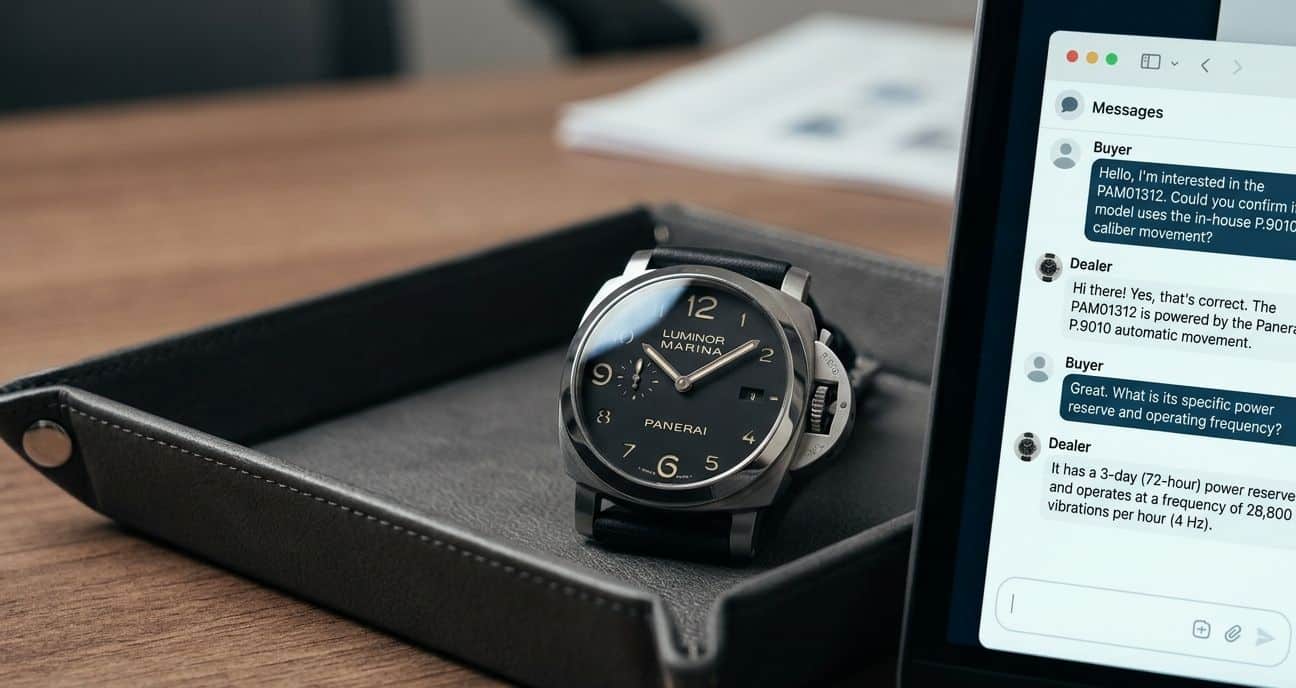
One of the most effective ways to gauge a dealer’s expertise and honesty is to ask specific, technical questions about the Panerai model you’re interested in. Don’t be afraid to delve into details about movement specifics, material grades, or known flaws that are commonly discussed within the replica community, including the replica quick release strap system functionality and accuracy. For example, you might ask:
- “Does the VSF PAMXXX have the correct engraved balance bridge, or is it a sticker?” (Referring to a known detail of the VS P.9000 clone movement).
- “What’s the exact movement designation for the XF PAMXXX, and what is its approximate power reserve?” (Testing their knowledge of specific clone movements like the XF P.3000).
- “Can you confirm the case thickness of the VSF Luminor Due PAMXXX and compare it to genuine?”
A legitimate and knowledgeable dealer should be able to provide accurate, detailed answers. Evasiveness, generic responses (“it’s very good quality”), or outright incorrect information are significant red flags. Such responses indicate they might not possess genuine expertise, or worse, are attempting to obscure details about the product they intend to sell you. Your ability to ask informed questions is your power in bridging the information asymmetry.
Expert Dealer Vetting Insight
Verifiable Diagnostic Protocol: Pose a specific, slightly obscure technical question about a Panerai model (e.g., “Does the VSF PAMXXX have the correct engraved balance bridge?” or “What’s the exact movement designation for the XF PAMXXX?”) and compare the answer to known community knowledge. Evasive or incorrect answers indicate a lack of genuine expertise, suggesting the dealer may not be selling what they claim, or may not understand the product well enough to be a reliable source. A dealer who can confidently and accurately answer such questions, or genuinely seeks the answer for you, demonstrates a higher level of credibility.
Quality Control (QC) Consistency: Beyond the Perfect Photo
In the world of Panerai super clone replicas, the Quality Control (QC) photos and videos a dealer provides are your first, and often only, chance to inspect the watch before it ships. However, these aren’t always what they seem. Critically analyzing QC media is paramount to verifying the actual product and avoiding manipulation or inconsistencies.
The Anatomy of a Genuine QC Photo Set for Panerai Super Clones
A truly comprehensive QC set for a Panerai super clone should leave no detail to chance. Expect to receive multiple high-resolution images taken from various angles: front, back (especially if it has a display caseback), both sides, and a clear shot of the crown guard. Lighting should be consistent and bright, highlighting rather than hiding potential flaws. For Panerai, specific close-ups are critical. Look for sharp, bleed-free dial printing (especially on sandwich dials), even lume application, and precise machining of the iconic crown guard lever. If the watch has a date window, ensure a clear shot of the date disc. A timegrapher reading is non-negotiable for automatic movements, and clear movement shots (if visible through a display back) are crucial for confirming the correct clone movement, such as the VS P.9000 or XF P.3000, and its general condition.
Identifying Photo Manipulation and Inconsistencies (Bait-and-Switch)
Scammers often use doctored photos, old stock images, or even pictures of a different, higher-quality watch. Be vigilant for signs of manipulation. Look for subtle inconsistencies in the background or lighting across different images in the same set. If the watch appears in different settings or on different surfaces, it could indicate reused photos. While EXIF data is often stripped from images, a reverse image search (e.g., via Google Images) can sometimes reveal if a photo has been used by multiple dealers or on older listings, signaling a potential bait-and-switch. Any blurring around the watch, mismatched shadows, or artifacts suggestive of editing software should raise immediate red flags. The goal of a bait-and-switch is to show you a perfect watch and then ship an inferior one.
The Role of Timegrapher Readings and Movement Shots
For any Panerai super clone with an automatic movement, a timegrapher reading is a vital diagnostic tool. You’ll want to see three key metrics: Rate (how many seconds fast or slow per day), Amplitude (the degree of rotation of the balance wheel), and Beat Error (the difference in time between the balance wheel’s swings). For a VS P.9000 clone, expect a rate within +/- 10 seconds per day, an amplitude typically between 280-310 degrees, and a beat error below 0.2ms. Significant deviations from these ranges, particularly low amplitude (<250 degrees) or high beat error (>0.5ms), can indicate a movement issue. Clear, well-focused movement shots are equally important. These allow you to confirm the correct clone movement (e.g., the distinctive bridges of a VS P.9000 or XF P.3000) and check for any obvious damage, dust, or sloppy finishing that might otherwise go unnoticed.
Expert Dealer Vetting Insight
To definitively verify that the QC photos are genuinely of the watch you’re about to receive, request a specific, non-standard angle or a short video clip. Ask the dealer to include a unique, personalized marker in the shot—such as a handwritten note with your username and the current date. A legitimate dealer with the watch in hand should have no issue fulfilling this simple request. Refusal or inability to comply is a strong indicator that the photos are pre-shot stock images, or that the dealer is engaged in a bait-and-switch operation.
Factory Terminology Accuracy: VS, XF, and the “No-Name” Game
The replica watch market is rife with jargon, and understanding factory terminology is crucial. For Panerai super clones, specific factory names like VS Factory (VSF) and XF Factory carry significant weight. Unscrupulous dealers often obscure these names with vague descriptors, signaling a potential downgrade in quality.
The Significance of “VSF” and “XF” for Panerai Super Clones
VS Factory and XF Factory are not just names; they represent the pinnacle of Panerai super clone replication. VSF, for instance, is renowned for its groundbreaking VS P.9000/P.9010 clone movements, which deliver accurate power reserve, bidirectional winding, and true quick-set hour hands, making their Luminor and Submersible models highly sought after. XF Factory, on the other hand, established its reputation with exceptional Radiomir and classic Luminor models, particularly excelling in sandwich dial construction and case proportions. These factories command higher prices because they deliver unparalleled accuracy and attention to detail, often requiring movement inspection or macro photography to distinguish from genuine. When a dealer explicitly names one of these factories, they are making a specific quality claim you can cross-reference.
Decoding Ambiguous Factory Claims: “Best Quality,” “Top Tier,” “Super Clone”
Be wary of dealers who use vague, non-specific language to describe their Panerai replicas. Phrases like “best quality,” “top tier,” or simply “super clone” (without a factory designation) are often red flags. While “super clone” describes a category* of replica, it’s not a factory name. Dealers employing such terms might be trying to imply high quality without committing to a specific, verifiable source. This ambiguity allows them to substitute a lower-tier replica (e.g., from PF or KW Factory, which use modified ETA movements) for what the buyer expects to be a VSF or XF product. The risk here is paying super clone prices for a watch that doesn’t meet those standards.
Identifying Panerai Model-Specific Factory Strengths and Weaknesses
Not all factories excel at all Panerai models. Research is key. For example, VSF is widely recognized for its Luminor Due and modern Submersible models, while XF shines with its Radiomir and classic Luminor lines, particularly for dial accuracy. ZF Factory, meanwhile, is the go-to for complex complications like the Equation of Time. A knowledgeable dealer will be able to articulate these nuances. Conversely, a dealer claiming to have “VSF quality” for a model that VSF doesn’t even produce, or one where another factory is known to be superior, is a significant warning sign. Always cross-reference a dealer’s claims with established community knowledge on forums like RWI or r/RepTime to ensure accuracy.
Expert Dealer Vetting Insight
To test a dealer’s knowledge and honesty regarding factory origins, ask for a list of all* Panerai models they stock from a specific, high-tier factory (e.g., “Which PAMs do you carry from VS Factory?”). Then, compare this list against known factory production lists from reputable community sources like RWI or trusted replica watch blogs. Discrepancies—such as a dealer claiming to have a VSF model that VSF doesn’t make, or a refusal to provide a specific list—are major red flags indicating they may be misrepresenting their inventory or factory connections.
Proof of Delivery & Community Feedback: Cross-Validation Strategies
While a dealer’s self-proclaimed “trusted” status is easy to claim, independent verification through past buyer experiences and community feedback is invaluable. This is where you leverage the collective intelligence of the replica watch community to gauge a dealer’s real-world reliability.
Aggregating Independent Reviews and Testimonials (Beyond the Dealer’s Site)
Never rely solely on reviews posted directly on a dealer’s website, as these can be easily curated or fabricated. Instead, actively seek out independent reviews and testimonials on neutral platforms. Forums like RWI (Replica Watch Info) have dedicated dealer sections, and Reddit communities such as r/RepTime and r/ReptimeQC are excellent resources. Look for consistent patterns of positive or negative experiences over time. Pay attention to feedback regarding communication, QC accuracy, shipping times, and after-sales support. A dealer with a long history of consistently positive, detailed reviews across multiple independent platforms is a far safer bet than one with sparse or overly generic feedback.
Identifying Fake Reviews and Astroturfing
The replica market is not immune to fabricated reviews. Be skeptical of generic language that could apply to any transaction (“Great service!”, “Fast shipping!”). A sudden influx of overwhelmingly positive reviews, especially if they come from newly created accounts or accounts with very little post history, is a classic sign of astroturfing—where a dealer attempts to artificially inflate their reputation. Watch out for identical phrasing or suspiciously similar sentence structures appearing across different reviews or on different platforms. Legitimate reviews tend to be more varied, specific, and often include details about the watch model, communication specifics, or minor issues that were successfully resolved.
The Value of “Proof of Delivery” Photos from Past Customers
While QC photos show the watch before shipment, “proof of delivery” photos from past customers provide concrete evidence of successful transactions. These are images taken by buyers after* they’ve received their watch. They often include the watch in its packaging, sometimes with tracking labels visible (though personal information should be redacted), or the watch on a wrist in a real-world setting. These photos go beyond mere QC checks; they confirm that the dealer successfully shipped a watch, and that the buyer received it. While harder to find than QC photos, seeing genuine proof of delivery from multiple independent sources is a strong indicator of a dealer’s reliability and ability to navigate the complex shipping landscape of replica watches.
Expert Dealer Vetting Insight
One of the most effective ways to uncover potential issues is to proactively search for negative feedback. On independent forums and Reddit, search for the dealer’s name combined with terms like “scam,” “problem,” “non-delivery,” or “QC issue.” A completely clean search history is a positive sign, but be realistic—even good dealers might have minor, resolved complaints. However, any significant, unresolved complaints, multiple reports of non-delivery, or consistent patterns of major issues (e.g., bait-and-switch, poor communication, refusal to address QC flaws) are immediate deal-breakers. Your money is better spent with a dealer who demonstrates a verifiable track record of ethical practices and customer satisfaction.
Common Scam Funnels & Blacklist Signals: What to Avoid
The replica watch market, by its very nature, attracts opportunistic scammers. Understanding their tactics is your first line of defense. This section details the most prevalent scam funnels and outlines specific signals that should trigger an immediate disengagement, protecting your money and peace of mind.
The “Fake TD List” and Cloned WhatsApp Accounts Deception
One of the most insidious scams leverages the buyer’s desire for legitimacy. Scammers create convincing, but entirely fake, “Trusted Dealer” (TD) lists. These lists often mimic the aesthetics of reputable forums or communities, presenting a facade of endorsement. They might feature professional-looking websites or social media profiles designed to appear credible, but their sole purpose is to funnel unsuspecting buyers toward fraudulent entities.
Equally dangerous is the practice of cloning legitimate dealer communication channels. Scammers monitor public forums for active dealers, then create near-identical WhatsApp, Telegram, or WeChat accounts using slightly altered usernames or profile pictures. They then intercept potential buyers who search for a dealer’s contact information, posing as the real dealer to collect payments.
The critical takeaway here is the absolute necessity of independently verifying all contact details. Never trust a link or contact number provided solely on a forum post, an unsolicited message, or a newly discovered website. Always cross-reference against multiple, long-established, and verified sources. If a dealer’s WhatsApp number is listed on their long-standing, independently verified website, and also confirmed by multiple active members on a reputable forum, that builds confidence. If you find a new number on a random forum post, it’s a major red flag.
Bait Pricing and Sudden “Limited Time” Offers
The replica watch market operates within a relatively tight pricing band for super clones from specific factories like VS or XF. While minor fluctuations exist, a price that seems too good to be true almost always is. Scammers frequently employ “bait pricing,” advertising a highly sought-after Panerai super clone (e.g., a VSF PAM1312) at a price significantly below the established market rate—sometimes as much as 30-50% off. This tactic is designed to override a buyer’s skepticism with the allure of an irresistible deal.
Coupled with bait pricing are high-pressure sales tactics. Watch out for urgent “limited time offers,” “flash sales,” or “one-time deals” that demand immediate payment. These are designed to prevent you from conducting proper due diligence, as detailed in a comprehensive Panerai replica buying guide, forcing a quick decision before you can verify the dealer or the product. A legitimate dealer will understand that a high-value purchase requires careful consideration, and while they might have occasional sales, they won’t pressure you with unrealistic deadlines for a product that is consistently in demand.
Payment Method Red Flags: Crypto-Only, Unsecured Transfers, or Unconventional Requests
The payment method a dealer insists on can be one of the clearest indicators of their legitimacy and your risk exposure. The replica market often navigates legal gray areas, making traditional banking relationships difficult for dealers. However, there’s a spectrum of risk even within these unconventional methods.
Dealers who only* accept non-reversible payment methods are a significant red flag. This includes cryptocurrency (Bitcoin, USDT, etc.), Western Union, MoneyGram, or direct Zelle/Cash App transfers to personal accounts. While some legitimate dealers use crypto due to banking limitations, an absolute refusal to offer *any* alternative, even less secure ones, should raise alarms. These methods offer virtually no buyer protection; once the money is sent, it’s gone, even if you receive nothing or a brick.
Unconventional requests, such as asking you to send money to a personal bank account in a different country, or to a name that doesn’t match the dealer’s established identity, are also highly suspicious. These are often attempts to obscure the money trail and make recovery impossible.
Expert Scam Detection Insight
If a dealer’s price for a popular Panerai super clone (e.g., VSF PAM1312) is more than 15-20% below the average community-reported price (typically around $500-600 USD for top-tier VSF/XF Panerais), consider it a high-risk bait price. Always cross-verify payment details directly with the dealer via a previously established, independently verified communication channel. Do not click links or respond to payment requests from new or unverified contact points, even if they claim to be the dealer you’ve been talking to.
The Transactional Shield: Payment Methods & Escrow Considerations
Securing your purchase of a Panerai super clone goes beyond vetting the dealer; it extends to how you transfer your funds. In a market where buyer protection is often informal, choosing the right payment method and understanding the associated risks is your transactional shield against financial loss.
Reversible Payment Methods: Credit Cards vs. Bank Transfers
When available, payment methods that offer some form of buyer protection are always preferable. Credit cards, processed through a legitimate third-party payment gateway, typically offer chargeback protections. If you don’t receive your item or it’s significantly not as described, you can dispute the charge with your credit card company. However, many replica dealers do not accept direct credit card payments due to the nature of their business and the risk of chargebacks.
Bank wire transfers, by contrast, are generally irreversible once processed. Sending money directly from your bank account to a dealer’s account offers virtually no recourse if a transaction goes wrong. This method should be approached with extreme caution and only used with dealers who have an impeccable, long-standing, and independently verified reputation.
PayPal presents a more nuanced situation. PayPal’s “Goods & Services” option offers buyer protection, similar to credit cards, and is generally reversible. However, it comes with fees for the seller. “Friends & Family” (F&F) transactions have no fees but also no buyer protection, making them as risky as bank transfers. Most replica dealers will request F&F if they accept PayPal at all, specifically to avoid fees and chargeback risks. If a dealer insists on F&F, understand you are foregoing all buyer protection.
The Role of Escrow Services (If Available and Verified)
A legitimate escrow service acts as a neutral third party, holding your payment until you confirm receipt and satisfaction with the product. Once you receive and approve the Panerai super clone, the escrow service releases the funds to the dealer. This significantly mitigates risk for both parties, as the dealer is assured payment upon successful delivery, and the buyer is protected from non-delivery or fraudulent goods.
However, the replica market is rife with fake escrow services. Scammers will set up convincing but fraudulent escrow websites to lure buyers. The critical need is to verify the escrow provider’s legitimacy. This means researching the escrow service independently, checking its domain history, and looking for authentic reviews and regulatory compliance. Never use an escrow service recommended solely by the dealer without independent verification.
Managing Expectations for Shipping, Customs, and Insurance
International shipping of replica watches carries inherent risks, primarily related to customs. Typical shipping times for a Panerai super clone from Asia to the U.S. can range from 10 days to 4 weeks, sometimes longer depending on customs delays. Be wary of dealers promising impossibly fast shipping, as this can be a tactic to rush your decision.
Customs seizure is a real possibility. Replica watches are technically illegal to import into many countries, including the U.S. Dealers often mitigate this by declaring low values, using discreet packaging (“watch parts,” “machinery components,” “gifts”), or shipping through intermediary countries. Most reputable dealers offer a “customs guarantee” or “reship policy,” meaning if your watch is seized by customs, they will reship a replacement at no additional cost (or a small fee). Always clarify this policy before purchasing. Without such a guarantee, a customs seizure means you’ve lost both your money and the watch.
Shipping insurance, if offered, can provide an additional layer of protection against loss or damage during transit. Understand what the insurance covers (e.g., loss, damage, customs seizure) and what the claims process entails. The buyer ultimately bears responsibility for understanding their country’s import laws and the risks involved in international shipping.
Expert Dealer Vetting Insight
Prioritize dealers who offer at least one payment method with some form of buyer protection (e.g., credit card via a third-party processor, or PayPal Goods & Services for specific regions). Absolute refusal to offer any reversible payment method is a strong indicator of high risk. This is a non-negotiable point; if a dealer only accepts methods where you have zero recourse, your financial risk is too high.
Building Your Personal Verified Dealer Shortlist: A Proactive Approach
The journey to a reliable Panerai super clone purchase culminates in building your own trusted network. Instead of blindly relying on external lists, a proactive, systematic approach allows you to curate a personal shortlist of verified dealers. This section consolidates all previous vetting steps into an actionable workflow, designed to empower you with confidence for current and future purchases.
The Multi-Stage Verification Workflow: Before Contact, During Inquiry, Post-QC
Effective dealer vetting is not a one-time check but an ongoing, multi-stage process. It begins long before you even send your first inquiry and continues until the watch is on your wrist.
- Before Contact: This stage involves extensive preliminary online research. Check domain age and registration details. Scrutinize website quality, content originality, and security certificates. Cross-reference online identities across forums, social media, and messaging apps. Look for consistent positive feedback and a lack of significant unresolved complaints.
- During Inquiry: Once you’ve identified a potential dealer, initiate communication. Evaluate their response times, language fluency, and professionalism. Pay close attention to their consistency in product descriptions and factory terminology (VSF, XF, etc.). Pose specific technical questions about Panerai models to gauge their genuine expertise. Be wary of evasiveness or generic answers.
- Post-QC: After placing an order, the Quality Control (QC) process is paramount. Critically analyze the QC photos and videos. Ensure they are comprehensive, clear, and include timegrapher readings. Request specific, non-standard angles or a personalized video to detect manipulation. Verify the factory claims against community knowledge. Only approve QC when you are fully satisfied with the specific watch shown.
Emphasize that vetting is an ongoing process. Even after a successful transaction, continue to observe the dealer’s online presence and community feedback. A dealer’s reputation can change, and your vigilance should too.
Maintaining a “Blacklist” and “Whitelist” for Future Reference
To streamline future purchases and protect other buyers, it’s highly beneficial to maintain your own personal records. Create a “whitelist” of dealers with whom you’ve had positive, successful experiences. Note down their verified contact details, preferred payment methods, and any specific strengths (e.g., “excellent QC,” “fast shipping,” “good after-sales”).
Conversely, maintain a “blacklist” of dealers or individuals who exhibited red flags, engaged in scam tactics, or provided poor service. Document the specific issues you encountered. This not only serves as a valuable personal reference but also contributes to the broader community. By sharing verified (good or bad) experiences on independent forums (respecting forum rules regarding personal information), you help others avoid pitfalls and reward reputable sellers.
The Long-Term Relationship: Service, Spares, and After-Sales Support
A truly trusted dealer provides more than just a watch; they offer a relationship that extends beyond the initial sale. For Panerai super clones, consider a dealer’s reputation for after-sales service. This includes their willingness to help source spare parts (e.g., a specific bezel, a new crystal), assist with warranty issues (even informal ones, given the nature of the market), or provide guidance on movement servicing. While formal warranties are rare, a dealer who stands behind their product and offers ongoing support builds significant long-term trust. This commitment to customer satisfaction distinguishes a reliable partner from a mere transactional vendor.
Expert Dealer Vetting Insight
Create a simple spreadsheet to track dealer interactions: website, verified contact info, domain age, QC photo consistency, factory claims, accepted payment methods, and a personal risk score (e.g., 1-5, with 5 being lowest risk). Only proceed with dealers scoring highly across all independent verification points. This systematic approach forces you to apply objective criteria and reduces the emotional pull of an attractive price or persuasive sales pitch.
Panerai Super Clone Buyer’s Safeguard Checklist:
- Verify All Contact Details Independently: Never trust a single source for a dealer’s WhatsApp, Telegram, or website. Cross-reference across multiple, established community forums and their official site.
- Beware of Unrealistic Pricing: If a Panerai super clone (especially from VS or XF) is priced more than 15-20% below the community average, it’s likely bait.
- Insist on Reversible Payment Options: Prioritize dealers offering credit card processing (via third party) or PayPal Goods & Services. Absolute refusal of these methods is a major red flag.
- Demand Comprehensive & Verifiable QC: Expect multiple, clear photos and timegrapher readings. Request a personalized video or specific angle to confirm the watch’s existence and condition.
- Confirm Factory-Specific Terminology: Ensure the dealer uses correct factory names (VSF, XF) and can accurately answer technical questions about movements and models.
- Scrutinize Domain History: A dealer’s website domain registered less than 1-2 years ago, especially with hidden WHOIS data, requires extreme caution.
- Clarify Customs Guarantee: Ensure the dealer offers a clear reship policy in case of customs seizure.
Strong Warning: If a dealer fails to meet any* of these critical verification points, walk away. Your money and peace of mind are worth more than any “deal” on a replica watch. In the replica market, trust is not given; it is painstakingly earned through rigorous, independent verification. Your vigilance is your greatest asset.