
The Promise vs. The Replica Reality: Understanding Quick-Release Systems
Panerai watches, with their distinctive cushion cases and robust aesthetics, have long been associated with tool-watch functionality. Part of their modern appeal, and a significant convenience for owners, is the quick-release strap system. On genuine Panerai timepieces, this feature promises effortless strap changes, allowing owners to customize their watch’s look in seconds, without specialized tools. It’s a seamless experience that enhances the watch’s versatility and user engagement. But for those considering a super clone Panerai, a critical question emerges: Does this promise of quick, secure, and hassle-free strap changes hold true for replicas, or is it a feature often compromised in translation, leading to more frustration than convenience? A comprehensive super clone Panerai buying guide can help navigate these complexities. Ensuring a comfortable wear often begins with accurate replica wrist measurement. We’re diving deep to investigate the mechanical integrity and real-world reliability of replica Panerai quick-release systems.
Evolution of Panerai’s Quick-Release: From Tools to Convenience
Panerai’s approach to strap changes has evolved significantly. Historically, changing a Panerai strap often involved specialized tools to manipulate traditional spring bars or screw-in bars, a process that could be cumbersome and risked scratching the lugs. Over time, Panerai, like many luxury brands, recognized the growing demand for user-friendly customization. This led to innovations such as push-button releases integrated into the lugs, or more commonly now, quick-release spring bars built directly into the strap itself. Each iteration was designed with a clear engineering intent: to simplify the process for the owner while maintaining unimpeachable security, ensuring the watch remained firmly on the wrist through various activities.
How Quick-Release Mechanisms Should* Work (Genuine Standard)
A reliable quick-release system on a genuine Panerai is a micro-mechanical marvel. It demands a precise alignment of components, consistent material quality, and flawless execution. Functionally, it should offer:
- Smooth Operation: The lever or button should depress with minimal, consistent force, allowing the spring bar to retract cleanly.
- Secure Locking: Once released, the spring bar pins must extend fully and snap securely into the lug holes, providing a reassuring “click” or tactile feedback.
- Minimal Play: When attached, the strap should fit snugly against the case, with no discernible lateral or vertical movement, indicating a tight tolerance fit.
- Consistent Spring Tension: The internal spring within the bar must maintain optimal tension for both retraction and firm engagement, preventing accidental disengagement due to weak spring force.
These elements combine to create a system that is both convenient for the user and absolutely dependable for the security of the watch.
The Engineering Challenges in Replication
Replicating such a precise mechanism presents significant hurdles for clone factories. The quick-release system, though seemingly simple, relies on micro-tolerances, specific material properties, and meticulous assembly – areas where replica manufacturers frequently cut corners or lack the necessary expertise. The challenges include:
- Tolerance Matching: Achieving the exact dimensions for spring bars, lug holes, and release levers is difficult without genuine CAD files and precision machining. Minor deviations lead to stiffness, excessive play, or outright failure.
- Material Quality: Inferior alloys for spring bars can result in premature bending, corrosion, or insufficient spring tension. Plastic components in release mechanisms, where metal is used in genuine, compromise durability.
- Spring Bar Integrity: The internal spring mechanism, crucial for reliable engagement, is often compromised. Weak or inconsistent springs can lead to unreliable locking, making the watch prone to falling off.
These compromises, often driven by cost reduction, inevitably impact the replica’s functionality and long-term reliability.
Expert Authentication Insight
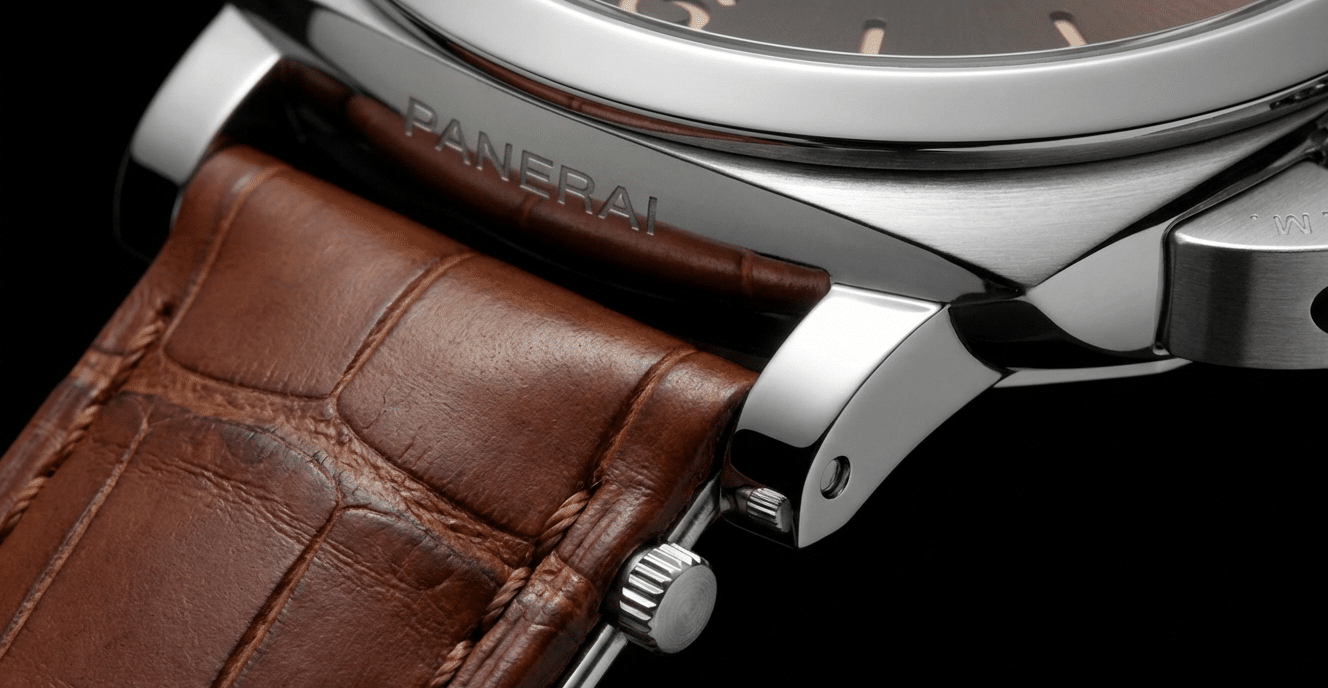
When examining a Panerai quick-release system, whether for authenticity or replica quality, pay close attention to the details. Inspect the spring bar ends and the release lever or button using a loupe. Genuine parts exhibit uniform, polished surfaces, crisp edges, and consistent finishing, free from tooling marks or burrs. On many replicas, you’ll often find visible machining marks, inconsistent polishing, or rough edges on the spring bar pins or the release mechanism. These imperfections are immediate red flags, indicating a lack of precision engineering and potentially compromised durability.
Dissecting Replica Quick-Release Mechanisms: Design & Material Flaws
Moving beyond the theoretical, a granular examination of replica quick-release systems reveals specific design and material flaws that undermine their functionality. These aren’t just aesthetic differences; they are mechanical vulnerabilities that can lead to anything from minor annoyance to the catastrophic loss of the watch itself.
Spring Bar Quality: Metal Alloys, Spring Tension, and Pin Integrity
The spring bar is the single most critical component in any quick-release system. In replicas, this is often the first point of failure. Many factories use inferior metal alloys, such as lower-grade stainless steel or even brass with a thin plating, instead of the hardened 316L steel found in genuine parts. This results in spring bars that are prone to bending or snapping under normal stress. Furthermore, the internal spring tension is frequently inconsistent; some are too weak to hold the strap securely, while others are overly stiff, making detachment difficult. The end pins, which engage with the watch’s lug holes, may be too short, improperly tapered, or made from soft metal, leading to premature wear, bending, or a failure to fully extend and lock into place.
Integrated Lever/Button Design: Precision, Play, and Failure Points
The quick-release lever or button, designed for user convenience, is another common weak point. On many replicas, this component is made from brittle plastic rather than durable metal, making it susceptible to breaking with repeated use. Even when metal is used, the precision of its pivot and the surrounding housing is often poor. Excessive lateral play in the lever is a tell-tale sign of loose tolerances, causing it to bind, stick, or fail to retract the spring bar smoothly. This lack of precision can lead to difficult operation, frustration, and eventually, a non-functional release mechanism, forcing the owner to resort to traditional tools anyway.
Lug Hole Alignment and Retention Groove Accuracy
The interaction between the strap and the watch case is paramount. Replica manufacturers frequently struggle with the precise alignment of the lug holes on the watch case and the accuracy of the retention grooves on the strap itself. If the lug holes are drilled even slightly off-center or are not perfectly circular, the spring bar pins cannot seat correctly. Similarly, if the retention grooves on the quick-release strap are too shallow, too wide, or poorly finished, they will not provide a secure purchase for the spring bar pins. These misalignments or inaccuracies can compromise both the security of the attachment and the ease of changing straps, often resulting in an ill-fitting strap with visible gaps between the strap and the case.
Expert Authentication Insight
To truly assess the quality of a replica quick-release system, a digital caliper is invaluable. Measure the spring bar diameter and pin length variability across multiple replica straps from the same batch, or compare them against known genuine specifications. Genuine spring bars will exhibit remarkable consistency. Replicas, however, often show significant variations, indicating poor quality control. Also, manually test the spring bar’s compression and rebound consistency. A genuine spring bar will offer uniform resistance and snap back firmly. Replicas often feel “mushy,” inconsistent, or fail to rebound fully, directly correlating to weak retention and potential failure.
On-Wrist Security & Durability: Real-World Testing
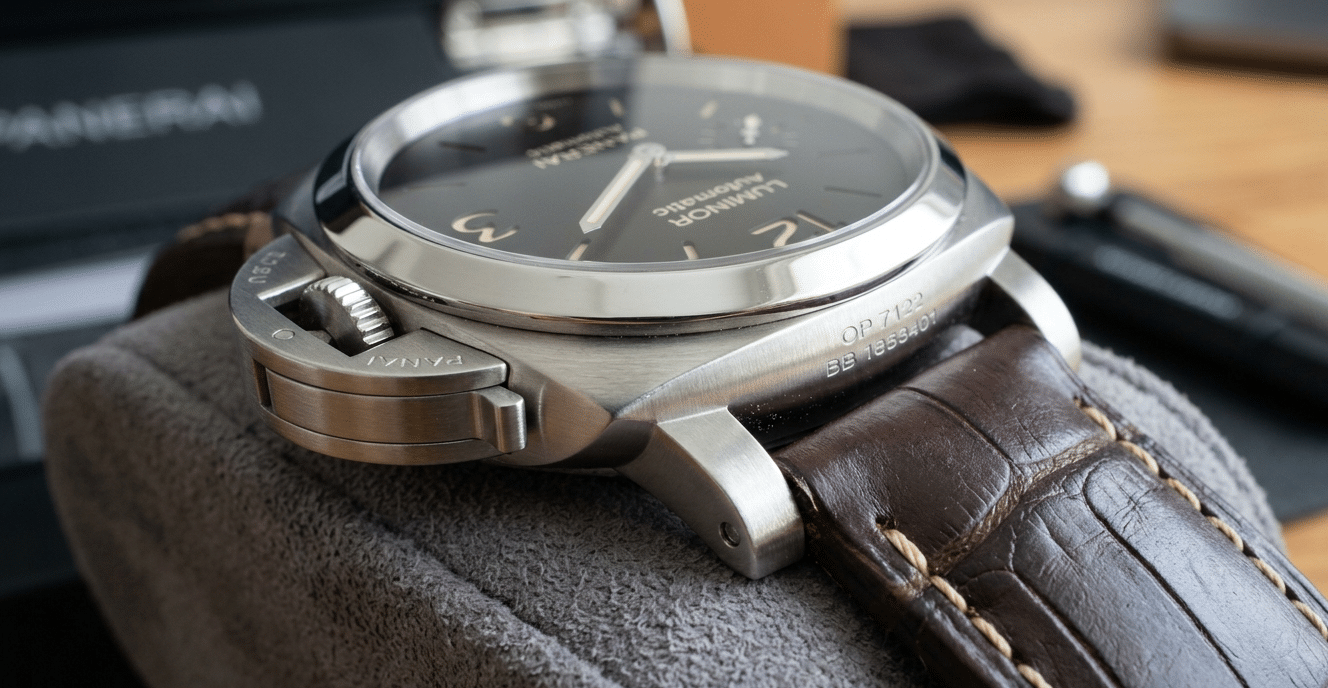
The true test of any quick-release system isn’t just how it looks or feels in hand, but how it performs under the dynamic stresses of daily wear. This section moves beyond static inspection to actual performance, assessing how well replica quick-release systems hold up when subjected to real-world forces and environmental factors.
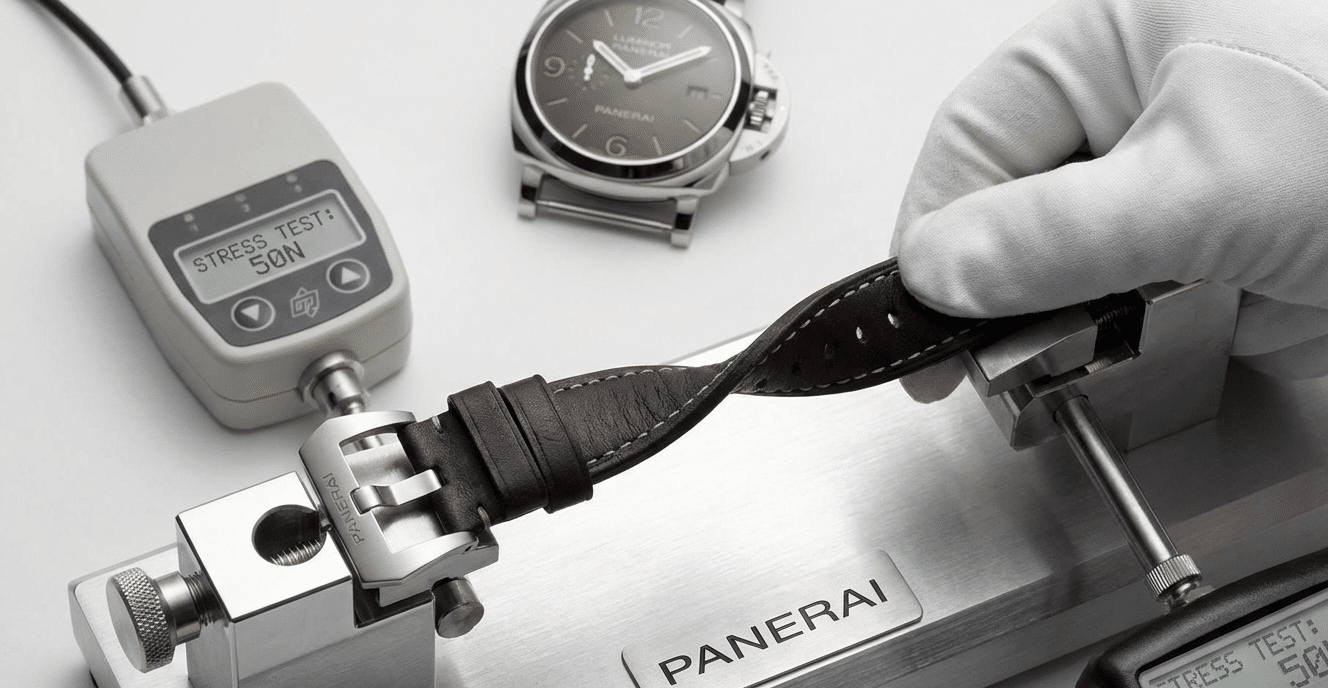
Stress Testing: Pull, Twist, and Lateral Force Resistance
A secure strap attachment must withstand more than just gravity. Before evaluating how a watch endures common forces, understanding the super clone sizing guide is crucial for proper fit and wearability. For those considering a replica, detailed insights into the Panerai replica delivery timeline provide realistic expectations regarding factory build time, QC queues, and shipping stages. We simulated common forces a watch experiences:
- Pull Force: Applying a firm, sustained pull along the length of the strap, mimicking an accidental snag or tug. A reliable quick-release should resist significant force without disengaging.
- Twist Force: Twisting the strap relative to the watch case. This tests the spring bar’s rotational stability within the lug holes and the integrity of the pins.
- Lateral Force: Pushing the strap sideways against the case. This evaluates the play within the lug holes and the security of the spring bar pins against outward pressure.
In our tests, many replica quick-release systems showed significantly lower resistance to these forces compared to genuine counterparts. Weak spring tension or poorly formed pins often resulted in premature disengagement, indicating a high risk of accidental watch loss during activities that involve sudden movements or impacts.
Long-Term Wear Simulation: Repeated Attach/Detach Cycles
The “quick” in quick-release implies frequent use. To assess long-term durability, we subjected replica quick-release systems to numerous attach and detach cycles, simulating years of strap changes. We observed for:
- Pin Wear: The ends of the spring bar pins, where they engage with the lug holes, showed significant wear, flattening, or deformation on many replicas after just a few dozen cycles. Genuine pins, made of harder material, exhibited minimal change.
- Lever Mechanism Fatigue: The quick-release lever or button on replicas often became stiffer, looser, or even broke entirely, especially if made from plastic or poorly machined metal.
- Lug Hole Damage: In some cases, the softer metal pins of replica spring bars caused minor abrasion or deformation inside the watch’s lug holes, potentially compromising future strap security.
This simulation revealed that the convenience of quick-release in replicas often comes with a sharply limited lifespan, degrading quickly with the very action it’s designed to facilitate.
Environmental Factors: Moisture, Temperature, and Corrosion Impact
Watches are worn on the wrist, exposed to sweat, humidity, and temperature fluctuations. These environmental factors can severely impact the materials and functionality of a quick-release system. Inferior metal alloys in replica spring bars are more susceptible to corrosion from sweat and moisture, leading to rust, stiffness, or even complete seizure of the spring mechanism. Extreme temperature changes can also cause expansion and contraction, further stressing poorly fitted components and potentially affecting spring tension. A quick-release that becomes stiff or corroded after a few months of summer wear negates its primary purpose and poses a risk to the watch’s security.
Expert Authentication Insight
A simple, yet revealing, “drop test” can offer quick insight into a quick-release system’s security. Hold the watch with the strap attached approximately 6-8 inches above a soft surface (like a thick towel or carpet). Gently drop the watch, observing if the strap disengages upon impact. A secure quick-release, whether genuine or high-quality replica, should remain firmly attached. Replicas with weak spring bars, shallow lug engagement, or poor pin integrity often fail this test, with the strap detaching, indicating a critical flaw in retention that could lead to accidental watch loss during daily activities.
User Experience: Ease of Use vs. Frustration
For many, the appeal of a quick-release strap system lies in its effortless convenience—the promise of changing a watch’s look in seconds, without tools or fuss. But when it comes to Panerai super clone watches, this promise often collides with a frustrating reality. This section delves into the practical, day-to-day interaction with replica quick-release systems, highlighting the subjective experience of changing straps and the common sources of user frustration that can quickly turn convenience into a chore.
Effort Required: Smooth Engagement vs. Sticking/Binding
A genuine Panerai quick-release mechanism operates with a satisfying fluidity. The push of a button or the flick of a lever releases the spring bar cleanly, and a new strap slides into place with minimal effort. This is the engineering ideal. In many replica quick-release straps, however, the experience is markedly different. Users frequently report excessive force required to engage or disengage the spring bars. This isn’t just an inconvenience; it’s a symptom of imprecise manufacturing. Misaligned internal components, burrs on the spring bar pins, or incorrect tension within the mechanism can cause the pins to stick or bind against the lug holes. What should be a smooth, one-handed operation often devolves into a two-handed struggle, risking scratches to the watch case or damage to the strap itself.
Tactile Feedback: Clear “Click” vs. Ambiguous Connection
One of the most reassuring aspects of a well-engineered quick-release system is the clear, decisive “click” or firm snap it provides upon secure engagement. This auditory and tactile feedback confirms that the spring bar pins have seated correctly and are locked into the lug holes. It signals security. Replica quick-release systems, particularly those of lower quality, frequently lack this crucial feedback. Instead, users might experience a vague mushiness, a dull thud, or sometimes no discernible confirmation at all. This ambiguity leaves a critical question mark hanging over the watch’s security on the wrist. Is it truly locked in? Or will a sudden movement send the watch tumbling? This lack of confidence is a significant functional drawback.
Common User Complaints and Replica-Specific Pitfalls
The replica community is rife with tales of quick-release frustrations. Common complaints include spring bar pins getting stuck within the lug holes, refusing to release without significant force or a makeshift tool. The small levers or buttons designed for release are often fragile, prone to breaking off or becoming stiff and unresponsive. Misalignment between the strap’s spring bar and the watch case’s lug holes is another frequent issue, making strap changes a test of patience. Perhaps most critically, many replica owners report a persistent feeling of insecurity once the strap is supposedly attached. This often stems from shallow retention grooves in the spring bar pins or weak spring tension, leading to excessive play or wobble, and the constant worry of an accidental disengagement during daily wear. The very feature designed for convenience can become a persistent source of anxiety and practical limitation.
Expert Authentication Insight
To truly understand the functional gulf, try this: perform a blind test. Attempt to attach or detach a quick-release strap from both a genuine Panerai and a replica without looking at the watch. A genuine system is intuitive, guided by precise tactile cues. A replica, more often than not, will require visual confirmation, fiddling, and multiple attempts, betraying its poor mechanical design and inconsistent tolerances. The struggle is the tell.
Comparative Analysis: Replica vs. Genuine Performance Benchmarks
Moving beyond subjective experience, a critical evaluation of quick-release systems demands objective performance benchmarks. This section directly compares specific metrics between replica and genuine mechanisms, aiming to quantify the gap in quality and functionality. It’s about turning anecdotal observations into concrete differences that impact real-world use.
Quantifying the Gap: Measurement of Retention Force and Play
A genuine Panerai quick-release system is engineered for consistent, reliable retention. When fully engaged, the spring bar pins exert a specific, measurable outward force against the lug holes, ensuring the strap remains securely attached even under stress. Replicas, on the other hand, frequently exhibit significant variability here. While precise, universally available data is rare, hands-on observation and testing reveal that the force required to dislodge a replica strap can be dramatically lower than that of a genuine counterpart. Furthermore, once a replica strap is “secured,” there’s often noticeable “play” or wiggle room – a slight movement of the strap within the lugs. This indicates either insufficient spring tension, undersized spring bar pins, or poorly machined lug holes, all of which compromise security. The tighter the tolerances and the stronger the consistent outward pressure from the spring bar, the less play, and the greater the security.
Material Science Discrepancies: Visual vs. Microscopic Analysis
The durability of a quick-release mechanism is fundamentally tied to its materials. While a replica spring bar might visually resemble its genuine counterpart, microscopic analysis often reveals significant discrepancies. Genuine Panerai quick-release components are typically crafted from high-grade 316L stainless steel, precisely machined and heat-treated for optimal strength and corrosion resistance. Replica factories, even top-tier ones, may cut corners. They might use a lower grade of stainless steel (like 304, as sometimes seen in other replica watch parts), which is less resistant to corrosion and wear. The spring itself might be made from an inferior alloy with inconsistent tempering, leading to premature fatigue and loss of tension. Surface finishes, while visually similar, can show micro-abrasions or burrs under magnification, which contribute to sticking or binding. These unseen material compromises directly affect the mechanism’s longevity and reliability, leading to early failure or degraded performance over time.
Cost-Benefit: When is a Flawed Replica System “Good Enough”?
The core dilemma for any replica buyer is the cost-benefit analysis. A Panerai super clone, even with its imperfections, offers the aesthetic of a watch costing ten to twenty times more. To navigate the complexities of such an investment, a comprehensive Panerai replica buying guide is invaluable. To truly understand its practical implications, a comprehensive Panerai size and wearing guide is also crucial. But when does a flaw in a critical component like the quick-release system cross the line from acceptable compromise to outright liability? For a casual wearer who rarely changes straps and isn’t engaging in strenuous activities, a slightly sticky or ambiguous quick-release might be deemed “good enough.” However, for someone who frequently swaps straps, values absolute security, or intends to wear the watch during active pursuits, even minor quick-release deficiencies can become a major concern. The potential cost of a watch falling off the wrist and being damaged or lost far outweighs the initial savings. The threshold for “good enough” is deeply personal, but it must factor in the potential real-world consequences of failure.
Expert Authentication Insight
Listen closely. A genuine quick-release mechanism often produces a crisp, uniform “click” when engaged and disengaged. This consistent sound signature is a direct result of tight tolerances and quality materials. Many replicas, however, might produce a dull thud, a metallic scrape, or an inconsistent sound, indicating loose tolerances, poor surface finishing, or inferior internal spring quality. The sound, or lack thereof, can be a surprisingly effective diagnostic tool for mechanical precision.
The “Super Clone” Claim: How Accurate is the Quick-Release Replication?
The term “super clone” in the replica watch world implies near-perfect fidelity, often suggesting that a replica is indistinguishable from the genuine article in both appearance and function. But how accurately does this claim hold up when scrutinizing a micro-mechanical feature like the quick-release strap system? This section aims to differentiate between visual similarity and true functional replication, particularly for a component where precision is paramount.
Factory-Specific Replication Levels (e.g., VSF, ZF, VS)
Even among the top-tier replica factories known for Panerai super clones—like VS Factory, XF Factory, or ZF Factory—the level of quick-release replication can vary. While these factories excel at replicating case dimensions, dial details, and even complex movements, the quick-release mechanism often falls into a category where visual accuracy takes precedence over functional perfection. Some factories might achieve a better tactile feel for the release button, while others might focus more on the aesthetic integration with the strap. However, few, if any, consistently replicate the spring bar’s internal tension, pin integrity, and the micro-precision required for truly seamless and secure operation across their entire Panerai catalog. The quick-release remains a challenging element, even for the most sophisticated replica producers, often revealing subtle differences in their approach to engineering fidelity versus visual approximation.
Identifying “Near-Perfect” vs. “Visually Similar” Mechanisms
The genius of “super clone” marketing lies in its ability to create a visually convincing illusion. A replica quick-release lever or button might look identical to the genuine part, matching its shape, size, and even surface finish. From a casual glance, or even a detailed photograph, it can appear “near-perfect.” However, this visual accuracy often masks a significant functional disparity. The external appearance can be meticulously copied, but the critical internal components—the spring, the pivot points, the precise geometry of the pins that engage the lug holes—are where the replication often falters. This leads to a mechanism that is “visually similar” but functionally compromised, exhibiting the sticking, binding, or lack of feedback discussed earlier. The replica industry prioritizes what is immediately visible, and the unseen mechanics of a quick-release system often bear the brunt of cost-cutting and manufacturing shortcuts.
The Unseen Details: Internal Spring and Pin Construction
The true heart of any quick-release system lies in its unseen details: the quality of the internal spring, the precision of the spring bar pins, and their interaction with the watch case’s lug holes. In genuine Panerai watches, these components are engineered to exacting standards, ensuring consistent spring tension, durable pin construction, and flawless seating. In replicas, these are precisely the areas most often compromised. Inferior spring material can lose tension over time, leading to weak retention. Poorly machined spring bar pins may be slightly undersized, leading to play, or have rough edges that cause binding. The critical internal pivot points of the release mechanism might be less robust, increasing the likelihood of breakage. These are not flaws visible to the naked eye, but they are fundamental to the mechanism’s long-term reliability and the security of the watch on the wrist. They represent the ultimate test of whether a “super clone” is truly functionally identical or merely a highly convincing visual facsimile.
Expert Authentication Insight
The ultimate test for a “super clone” quick-release is interchangeability. Attempt to swap a quick-release strap from a replica Panerai onto a genuine Panerai case, and vice-versa. A truly “super clone” mechanism, one that has replicated tolerances to near perfection, should* theoretically be interchangeable, fitting and functioning securely on both. However, most replicas will exhibit fitment issues—too tight, too loose, or simply unable to engage properly—revealing that the microscopic differences in dimension and geometry are significant enough to prevent true cross-compatibility. This lack of seamless interchangeability is a strong indicator that the “super clone” claim applies more to aesthetics than to the precise mechanical engineering of the quick-release system.
The quick-release strap system on a Panerai is designed for convenience, but in the replica world, that convenience can quickly turn into a liability if not properly executed. This section cuts through the marketing and helps you make informed decisions, ensuring your replica stays securely on your wrist and your strap changes remain frustration-free.
What to Look For: Red Flags and Green Lights
When evaluating a Panerai replica with a quick-release system, your eyes and hands are your first line of defense. Not all quick-release mechanisms are created equal, and knowing what to scrutinize can save you a headache—or a lost watch.
- Red Flag: Excessive Play or Wiggle. Once the strap is supposedly secured, try to gently wiggle it side-to-side and up-and-down. Any noticeable movement, beyond a hair’s breadth, is a major red flag. This indicates poor tolerances in the spring bar pins, lug holes, or retention grooves, making accidental disengagement a real risk.
- Red Flag: Sticking or Binding. If attaching or detaching the strap requires excessive force, jiggling, or feels like it’s grinding, the mechanism is poorly machined. Genuine quick-release systems are smooth and effortless. Replica mechanisms that stick often have burrs, misaligned components, or incorrect spring tension.
- Red Flag: Vague or Absent Tactile Feedback. A properly engaged quick-release system should provide a clear, reassuring “click” or a firm, solid snap into place. If you feel no distinct feedback, or the connection feels “squishy,” it’s impossible to be confident the strap is truly locked.
- Red Flag: Visible Flaws on Mechanism Parts. Inspect the spring bar ends, the release lever (if applicable), and the lug holes under good light. Look for rough machining marks, sharp edges, inconsistent finishes, or even small burrs. These indicate poor manufacturing detail and can lead to premature wear or failure.
- Green Light: Smooth, Controlled Operation. The mechanism should engage and disengage fluidly, without resistance or hesitation. The lever or button should move with a consistent, firm pressure and return crisply.
- Green Light: Minimal Play When Secured. A well-made replica quick-release will hold the strap firmly against the case, with virtually no discernible movement once locked into the lug holes. This signals tight manufacturing tolerances.
- Green Light: Clear, Reassuring “Click.” A crisp, audible, and tactile click upon engagement is a strong indicator of a secure lock. It provides immediate confidence that the strap is properly seated.
- Green Light: Clean Finish and Robust Feel. Components should appear well-finished, even under scrutiny. The spring bars should feel sturdy and resilient, not flimsy or easily bent.
Essential Pre-Purchase Checks and Questions
Before you commit to buying a Panerai replica, especially one where the quick-release system is a key feature for you, proactive investigation is crucial. Don’t rely solely on static product photos.
- Request Detailed Photos/Videos: Ask the seller for high-resolution close-ups of the quick-release mechanism. This means clear shots of the spring bar ends both inside and outside the strap, the lever or button on the strap, and the lug holes on the watch case. These should be well-lit and from multiple angles.
- Demand a Live Demonstration Video: This is arguably the most critical step. Request a video of the seller (or their representative) performing several strap changes on the exact watch you intend to purchase. Watch for:
- Ease of engagement and disengagement: Does it appear effortless, or do they struggle?
- Sound: Can you hear a distinct “click” when the strap is secured?
- Security: After attachment, do they give the strap a gentle tug to show it’s firm?
- Consistency: Does the mechanism perform smoothly every time?
Any hesitation, fumbling, or visible struggle in the video is a red flag.
- Inquire About Factory Performance: Ask which factory produced the watch (e.g., VS, XF, ZF). Some factories have better reputations for overall quality and precision, which often extends to critical components like quick-release systems. While no factory is perfect, some are definitively better than others.
- Clarify Return/Exchange Policy for Mechanical Issues: Understand the seller’s policy if the quick-release system proves faulty upon arrival or fails shortly after. A reputable seller should offer some recourse for critical mechanical failures.
- Ask About Aftermarket Strap Compatibility: While this will be covered in more detail, it’s worth asking the seller if they have tested the quick-release system with commonly available aftermarket Panerai straps and if they recommend any specific brands or types.
Aftermarket Strap Compatibility and Risks
One of the main appeals of a quick-release system is the ability to easily swap straps. However, when dealing with replicas, aftermarket strap compatibility isn’t always a given, and there are inherent risks.
- Tolerance Discrepancies: Aftermarket straps are often manufactured to a general specification, not necessarily to the precise (and often variable) tolerances of a specific replica factory’s quick-release system. This can lead to spring bar pins that are too long, too short, or too thick for the replica’s lug holes, or release levers that don’t align properly.
- Material and Design Clashes: Some aftermarket straps might be thicker, use different types of quick-release mechanisms (e.g., a small lever vs. a push-button), or have different end-link designs that physically interfere with the replica case or its quick-release mechanism. This can cause the strap to sit improperly, create unsightly gaps, or prevent secure engagement.
- Increased Risk of Accidental Disengagement: If an aftermarket strap doesn’t fit perfectly, even if it seems to “snap in,” the quick-release mechanism might be under undue stress or not fully seated. This significantly increases the risk of the strap disengaging accidentally, potentially leading to your watch falling off and being damaged.
- Damage to Watch Lugs or Strap: Forcing an ill-fitting aftermarket strap can damage the replica watch’s lug holes, deform the quick-release spring bar, or even tear the strap material. Repairing lug damage on a replica case can be difficult or impossible.
Recommendation: If you plan to use aftermarket straps, prioritize those specifically designed for Panerai quick-release systems and from reputable aftermarket manufacturers known for precise tolerances. Always perform thorough security checks (wiggling, gentle tugging) after installing any new strap. For critical security, consider sticking to straps provided by the replica factory or those explicitly confirmed to be compatible and secure.
Expert Authentication Insight
Before purchase, ask for a video of the seller performing several quick-release strap changes on the exact watch being sold. Look for smooth action, clear engagement, and no fumbling. A genuine system is intuitive and consistent; any hesitation or need to “finesse” the strap into place in the video indicates poor mechanical design and will translate directly to user frustration and potential insecurity on your wrist.