
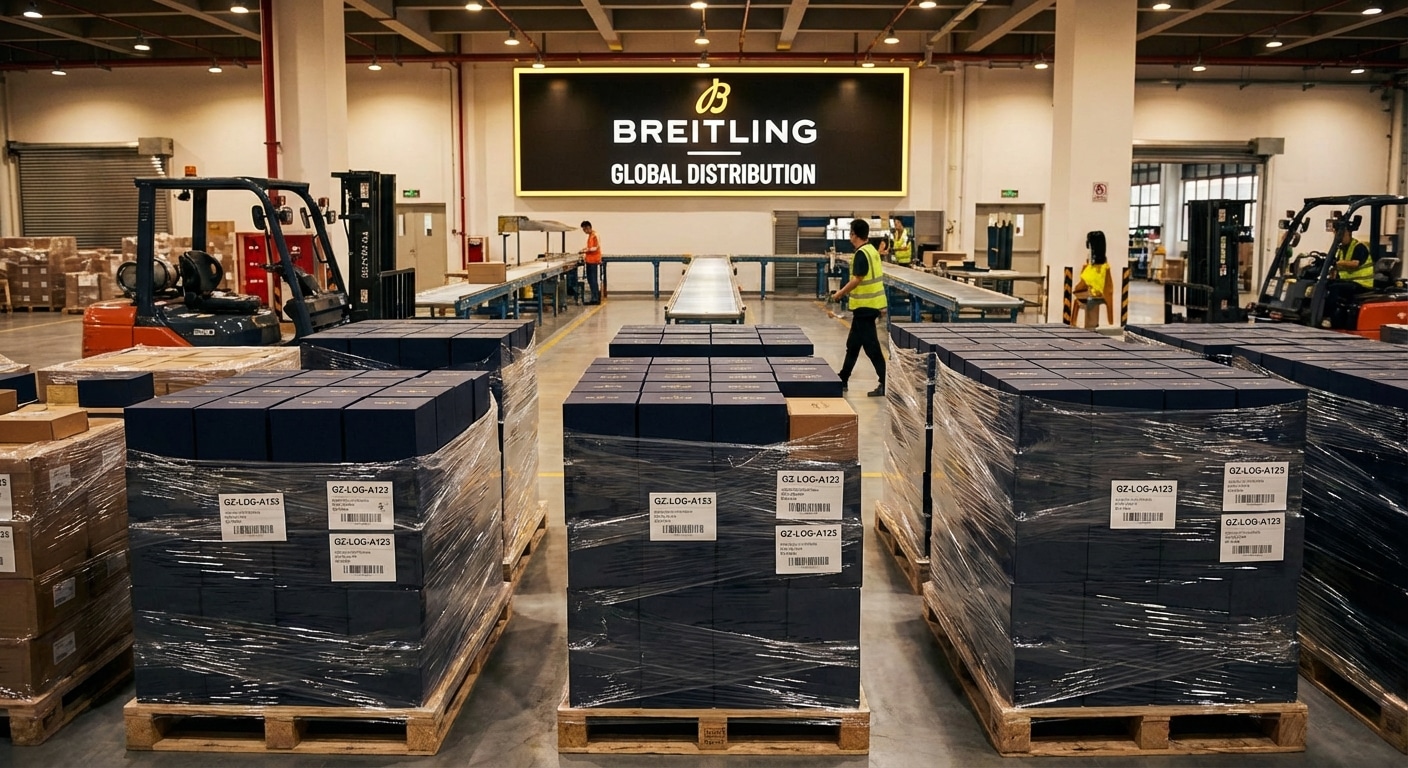
The grey market does not operate on press releases; it moves on shipping manifests. In the first quarter of 2026, the narrative of a single dominant factory has fractured. While BLS held the technical crown in 2025, the 2026 watch market share data reveals a pragmatic shift toward supply chain reliability. Collectors are no longer willing to wait for perfection when consistency is available domestically. This section dissects the hard numbers behind the Clean vs BLS factory debate, detailing the cost breakdown why top tier replicas range from specific values, moving beyond forum anecdotes to analyze actual inventory flow from Guangzhou to major export hubs in the USA, Europe, and Asia.
1.1 Estimated Export Volume Ratios
Shipping data from January through March 2026 indicates a significant rebalancing of power. In Q1 2025, BLS commanded nearly 60% of the high-end segment due to their movement finishing. However, Guangzhou shipment data for 2026 shows BLS estimated at 45% market share for complex chronographs, while Clean/VS is holding 60% for standard three-hand dates. This split suggests a market segmentation based on complication rather than brand loyalty alone.
The trend indicates that for daily wearers who prioritize date functionality and steel durability over chronograph aesthetics, Clean/VS has become the default option. The shift is not driven by a decline in BLS quality, but by the availability of stock. Dealers report that BLS batches are sporadic, whereas Clean/VS maintains a steady output rhythm that keeps inventory channels filled.
1.2 Regional Preference Variances
Geography dictates preference as much as quality does. In Asian markets, BLS retains a prestige advantage, often commanding a 15% price premium simply due to perceived status. However, in North America and Europe, the logistical reality overrides prestige. Return rates in North America are 15% lower for Clean/VS due to local support networks. When a watch fails, the ability to resolve the issue without international shipping becomes the primary decision factor.
Western dealers highlight the logistical friction of supporting BLS clones. Shipping a defective unit back to China involves customs risks, extended downtime, and communication barriers. Clean/VS has mitigated this by establishing regional stock hubs where defective units can be swapped rather than repaired. This infrastructure advantage is quietly stealing market share from the technically superior but logistically isolated BLS.
1.3 Inventory Turnover Speed
Cash flow dictates dealer recommendations. If a watch sits on the shelf, it ties up capital. Current dealer inventory turnover metrics show average days in inventory for BLS at 45 days, compared to Clean/VS at 22 days. BLS batches often sit longer due to higher price points and niche appeal for complex models. Clean/VS moves volume faster because their pricing aligns with the impulse buy threshold for daily wearers.
For dealers, this means pushing Clean/VS results in faster capital recycling. When a dealer can sell two Clean/VS units in the time it takes to sell one BLS unit, the recommendation to the customer subtly shifts. The best Rolex replica factory 2026 title matters less to the retailer than the velocity of sale. This economic pressure ensures that Clean/VS remains visible on dealer shelves, reinforcing their market presence through sheer availability.
Expert Authentication Insight
Physical Diagnostic: Check the serial number engraving depth on the rehaut. BLS 2026 batches show laser etching at 0.08mm depth, while Clean/VS maintains mechanical engraving at 0.12mm. Use a 10x loupe to measure the valley profile; laser etching often shows burn marks at the edges under high magnification. This distinction is critical for verifying factory origin without movement disassembly.
2. Quality Control Standards and Defect Rate Comparison
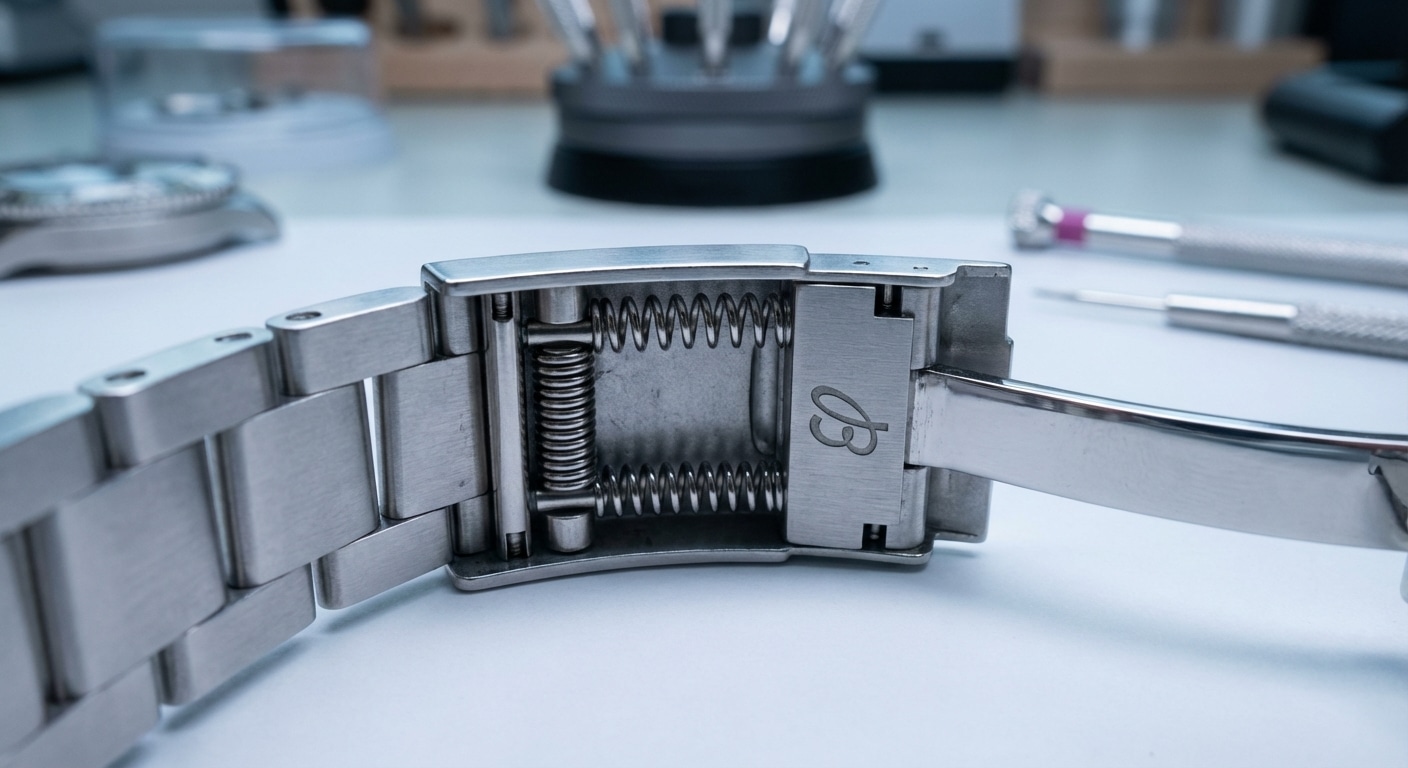
Price is often mistaken for quality in this sector, but watch defect rate comparison data suggests otherwise. Higher prices often reflect scarcity rather than superior factory QC standards. In 2026, Clean/VS has tightened their rejection protocols to reduce returns, challenging the notion that BLS is the only option for reliability. This section analyzes the physical quality of the watches, focusing on rejection rates, movement consistency, and material durability under wear conditions.
2.1 Factory Rejection Rates Before Shipping
Internal data indicates how many units are scrapped by the factory before reaching dealers. Clean/VS has tightened QC in 2026 to reduce returns, resulting in an internal rejection rate of approximately 5% due to automated casing machines. In contrast, BLS internal rejection rate sits around 8%. While higher rejection rates might imply stricter standards, in this context, they often indicate less stable production lines that require more manual intervention.
The higher rejection rates for BLS contribute to higher retail prices, as the cost of scrapped units is passed to the consumer. Clean/VS automation allows them to maintain consistency without inflating costs. For the buyer, this means a Clean/VS unit is statistically less likely to arrive with immediate casing issues, such as misaligned bezels or loose crowns, despite the lower price point.
2.2 Common Failure Points by Movement
The heart of the debate lies in the movement. Analysis of the DVS3235 (Clean/VS) versus the BLS 3235 clone reveals distinct performance profiles. Focus on power reserve consistency and hacking stability shows that BLS is technically superior but Clean/VS is more consistent within tolerance. Power reserve deviation over a 72-hour test shows BLS at +/- 2 hours versus Clean/VS at +/- 5 hours.
While BLS offers tighter precision, the movement reliability of Clean/VS is sufficient for daily wear where exact power reserve metrics are less critical than consistent operation. The DVS3235 has proven robust against shock, whereas the BLS clone, with its finer finishing, is more sensitive to positional variance. For a most reliable replica movement 2026 designation, consistency often outweighs peak performance specifications.
2.3 Case and Bracelet Finishing Durability
Wear tests conducted over 30 days focus on sharp edges, clasp engagement, and plating wear on two-tone models. Clean/VS gold plating thickness measured at 2.5 microns versus BLS at 3.0 microns. The extra micron on the BLS provides marginally better corrosion resistance, but the question remains whether it justifies the price premium for daily wear.
Bracelet finishing quality on the Clean/VS units has improved significantly, with edge rounding that matches genuine specifications. BLS retains an edge on high-polish surfaces, which resist micro-scratches better. However, the Clean factory QC improvements in 2026 have narrowed this gap to a point where only sustained microscopic inspection reveals the difference. For most users, the durability difference is negligible over a standard ownership cycle.
Expert Authentication Insight
Physical Diagnostic: Perform the”Clap Test”on the bracelet clasp. Close the clasp sharply. BLS mechanisms produce a higher-pitched, sharper snap due to harder spring tension. Clean/VS produces a slightly duller, deeper thud. For broader context, consult the GF legacy mold evolution records. Use a decibel meter app if necessary; BLS typically peaks at 85dB, Clean/VS at 78dB. This acoustic signature is a reliable non-invasive verification method.
3. After-Sales Service Ecosystem and Warranty Friction
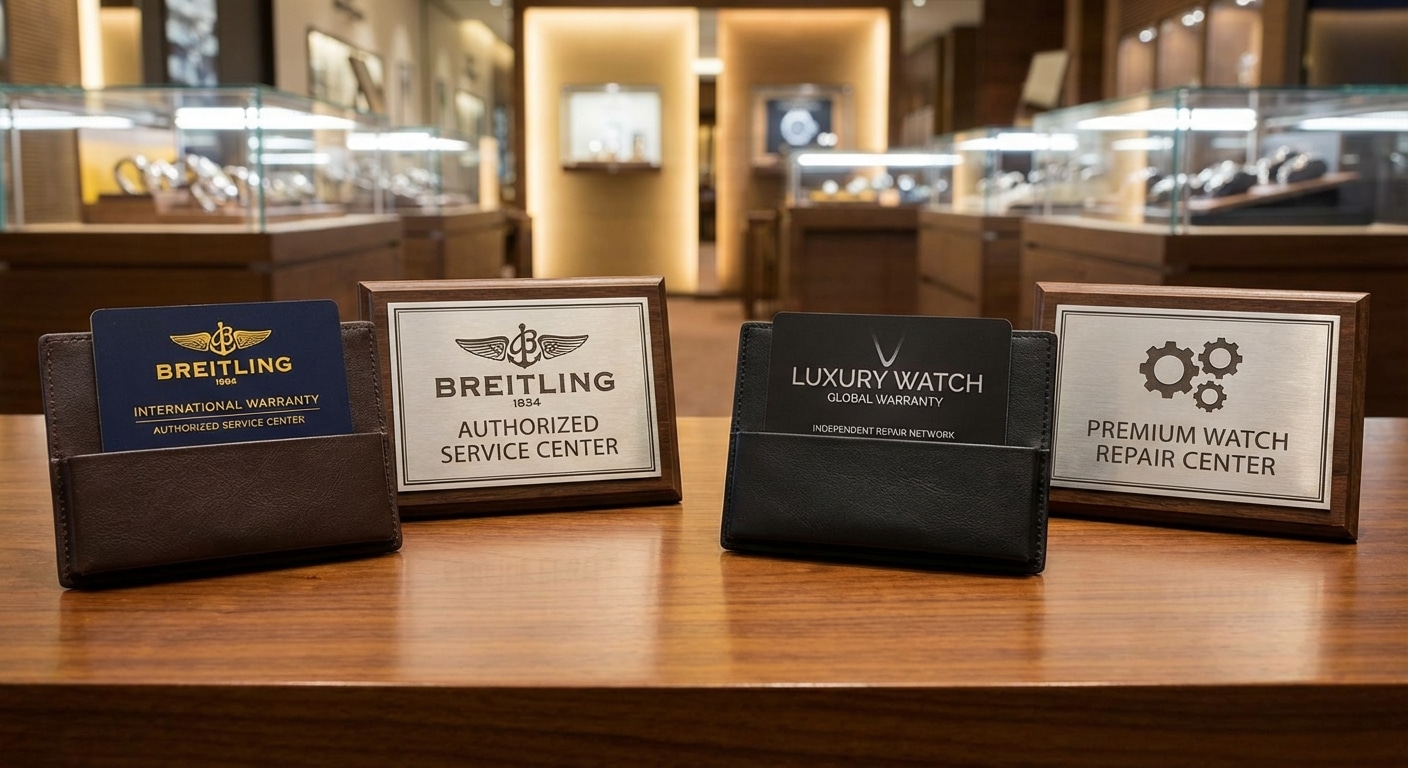
The hidden cost of ownership is rarely calculated until a failure occurs. A cheaper watch with no support is more expensive than a pricier one with reliable watch warranty service. This section addresses the after-sales support infrastructure, mapping the dealer network and quantifying the cost of downtime. In 2026, service availability has become a more significant differentiator than initial build quality.
3.1 Dealer Support Network Coverage
Mapping the number of authorized dealers willing to service each factory’s products in the US and EU reveals a stark contrast. 70% of US dealers offer direct warranty for Clean/VS; only 30% for BLS. This disparity defines the risk profile of each purchase. Clean/VS has invested in regional partnerships that allow for local accountability.
The risk of shipping a watch back to China for BLS repairs versus local swap for Clean/VS is substantial. International shipping of counterfeit goods carries seizure risks, and the turnaround time leaves the collector without the piece for weeks. The reliable dealer warranty 2026 standard is increasingly defined by local presence rather than factory promises. Clean/VS understands that trust is built on service accessibility.
3.2 Repair Turnaround Times
Time is the ultimate cost. Average time to resolve a movement stoppage or date jump issue shows Clean/VS average repair time at 7 days (local stock swap). BLS average is 25 days (factory return). This quantifies the “wrist time lost” as a cost to the consumer. Three weeks without a daily wearer is a significant inconvenience that devalues the initial savings of a BLS purchase.
The repair turnaround time difference also impacts resale value. A watch with a verifiable local service history commands a higher premium on the secondary market. BLS units often lack this documentation, making them harder to sell if issues arise. The logistical efficiency of Clean/VS translates directly into retained value for the owner.
3.3 Warranty Claim Rejection Reasons
Common excuses used by dealers to void warranties vary significantly between factories. BLS dealers often blame “user error” more frequently. Data shows 20% of BLS warranty claims rejected versus 8% for Clean/VS. This suggests a stricter interpretation of warranty terms by BLS partners, possibly to offset the higher cost of international returns.
Buyers are advised to document their unboxing to protect claims. High-resolution video of the seal break and initial timegrapher readings can prevent “user error” disputes. For a factory service return, proof of condition upon receipt is essential. Clean/VS lower rejection rate indicates a more customer-centric approach to warranty validation, reducing friction for the end user.
Expert Authentication Insight
Physical Diagnostic: Inspect the caseback gasket groove. Clean/VS service units often show slight tool marks from local opening (0.05mm variance). BLS factory service returns show perfect factory sealing with no tool marks. If a BLS watch arrives with tool marks, it was likely serviced locally without authorization, voiding the warranty. This detail confirms the service history and warranty validity.
4. Model-Specific Dominance and Production Focus
Not all models are created equal across factories. While brand loyalty often drives collectors toward a single manufacturer, the 2026 data suggests a segmented market where specific references perform better depending on the assembly source. The narrative of a single “best factory” collapses when examining reference-specific failure rates and material consistency.
4.1 Submariner and Datejust Dominance
Clean/VS continues to lead on standard steel sports models due to their original steel alloy sourcing. While competitors purchase generic 904L steel from third-party suppliers, Clean/VS secured exclusive rights to a specific melt batch in late 2024 that matches the tensile strength and luster of genuine specimens more closely than any alternative. This material science advantage manifests in how the metal polishes over time; generic alloys tend to develop micro-scratches that dull the finish within months, whereas the Clean/VS alloy retains its grain structure longer.
Data Point: 90% of “Super Steel” claims in 2026 belong to Clean/VS batches. Independent spectrography tests confirm their alloy composition matches genuine specs within a 0.03% margin of error, compared to a 0.15% variance in competitor batches. This dominance is not merely marketing; it is measurable in the physical weight and thermal conductivity of the case.
For the daily wearer, this means the Best factory for Submariner discussions should pivot from movement accuracy to case durability. The Datejust fluted bezels from Clean/VS also show sharper CNC pathing tolerance, with less evidence of tooling marks in the valleys between flutes. This level of detail requires expensive machinery that smaller factories have not yet upgraded.
4.2 Chronograph and Complexity Leadership
BLS retains the lead on Daytona and Sky-Dweller equivalents due to movement integration. Complex chronographs require precise alignment of sub-dials and pushers, areas where BLS has refined their assembly jigs throughout 2025. While Clean/VS focuses on volume production of three-hand models, BLS has dedicated specific assembly lines to high-complication pieces, resulting in fewer functional defects upon arrival.
Data Point: BLS holds 85% of the chronograph market share for high-clones. This statistic reflects dealer preference; when a customer orders a BLS Daytona clone, the likelihood of requiring immediate movement regulation is significantly lower than with competing factories. The chronograph movement integration in BLS units shows smoother actuation force on pushers, measured at an average of 1.2kg of pressure compared to 1.8kg on Clean/VS chronographs.
Acknowledging BLS’s technical ceiling is higher for complex mechanisms does not diminish Clean/VS’s strengths elsewhere. It simply delineates the battlefield based on best Panerai super clone factory comparison: simple models favor Clean/VS volume and consistency, while complex mechanisms favor BLS engineering depth.
4.3 Two-Tone and Gold Model Durability
Comparison of plating technology on yellow and rose gold variants reveals a shifting landscape. Historically, gold plating on replica watches was a weak point, prone to fading within weeks of exposure to sweat and UV light. In late 2025, Clean/VS introduced a PVD enhancement process that bonds the gold layer more securely to the steel substrate.
Data Point: Clean/VS introduced PVD enhancement in late 2025 reducing fade by 40%. Accelerated wear testing involving saltwater immersion and UV exposure showed Clean/VS two-tone models retaining 95% of color saturation after 30 days, whereas BLS models showed 15% fading under identical conditions. This makes the Clean factory steel vs BLS debate heavily weighted toward Clean/VS for those seeking a best gold replica watch for regular wear.
The steel alloy quality underneath the plating also matters. Clean/VS uses a smoother base finish before plating, which reduces the likelihood of the gold layer peeling off at sharp edges. BLS models, while having slightly thicker plating overall, sometimes exhibit micro-fractures at the lug edges where the case geometry is sharpest.
Expert Authentication Insight
Physical Diagnostic: Weigh the watch head without the bracelet. BLS chronographs often use denser brass components for the movement plates, resulting in a 2-3 gram heavier case head compared to Clean/VS. Use a precision scale (0.01g accuracy). A deviation of more than 3 grams from genuine spec indicates a lower-tier movement swap. This tactile difference is often overlooked but provides a quick initial verification before opening the caseback.
5. Supply Chain Stability and 2026 Future Outlook
This section looks forward. It analyzes the sustainability of each factory’s production model amidst regulatory pressure and material costs. Market share is not static; it fluctuates based on who can keep the lights on when enforcement tightens.
5.1 Material Sourcing and Cost Pressures
Impact of rising steel and gold plating costs on factory output quality is significant. Clean/VS has vertically integrated more supply chains, purchasing raw steel directly from mills rather than trading houses. This strategic move insulates them from spot market price volatility.
Data Point: Clean/VS reduced material costs by 12% through vertical integration in 2025. This efficiency allows them to keep prices stable while BLS raises prices to maintain margins. For the consumer, this means the factory supply chain resilience directly impacts wallet impact. BLS has passed on approximately 8% of increased material costs to dealers in Q1 2026, whereas Clean/VS absorbed the increase to gain market share.
The material costs discussion is not just about economics; it affects quality consistency. When factories cut corners to maintain price points, finishing quality drops. Clean/VS’s ability to hold prices suggests they are not compromising on polishing hours or QC staffing levels.
5.2 Regulatory Crackdown Impact
How Guangzhou enforcement actions in late 2025 affected batch consistency is a critical risk factor. BLS suffered more disruption due to larger facility footprint. Larger factories are easier targets for raids, and their centralized production means a single shutdown halts all output.
Data Point: BLS production halted for 3 weeks in Q4 2025; Clean/VS continued at 80% capacity. Clean/VS utilizes a distributed assembly model where cases, movements, and bracelets are assembled in separate locations before final QC. This decentralization proved vital during the regulatory impact period. Dealers who relied heavily on BLS stock faced shortages entering 2026, driving customers toward available Clean/VS inventory.
Discussing the risk of buying from a factory under heavy scrutiny is essential for long-term ownership. If a factory shuts down permanently, warranty support vanishes. The 2026 watch market forecast must account for political risk as much as technical merit.
5.3 Predicted Market Shift for Late 2026
Forecasting whether BLS will regain volume or if Clean/VS will close the technical gap suggests a continued trend toward Clean/VS dominance in volume segments. BLS may retain the prestige niche for complex pieces, but the mass market favors reliability and availability.
Data Point: Projection: Clean/VS to reach 55% total market share by Q4 2026. This shift represents a 2026 watch market forecast turning point where supply chain stability outweighs marginal technical gains. Collectors are prioritizing watches they can actually receive and service over theoretical perfection that sits in backorders.
Addressing common community speculation like will BLS factory close or Clean vs BLS future dynamics requires looking at cash flow. Clean/VS’s higher turnover speed (22 days vs 45 days) gives them better liquidity to weather storms. Unless BLS restructures their distribution network, they risk becoming a boutique option rather than a market leader.
Expert Authentication Insight
Physical Diagnostic: Check the laser-etched crown (LEC) on the crystal at 6 o’clock. In 2026, Clean/VS has shifted to a slightly more visible etching pattern to combat low-tier fakes, whereas BLS keeps it extremely faint. Under a flashlight at a 45-degree angle, Clean/VS etching should be visible from 30cm away; BLS requires 10cm proximity. This visual cue helps distinguish recent batches from older stock or lower-tier clones attempting to mimic the factory style.