
This article converts design theory, geometry exposure, and manufacturing system behavior into ownership-level decisions. Once you move from admiration to daily wear, VC replicas stop being abstract objects and become assemblies that must survive handling, adjustment, and time. Outcomes in china super clone vacheron do not hinge on advertised parts or decorative movement plates. They hinge on system assembly discipline, because VC layouts surface tolerance faster than most brands and refuse to hide mistakes behind bulk or clutter.
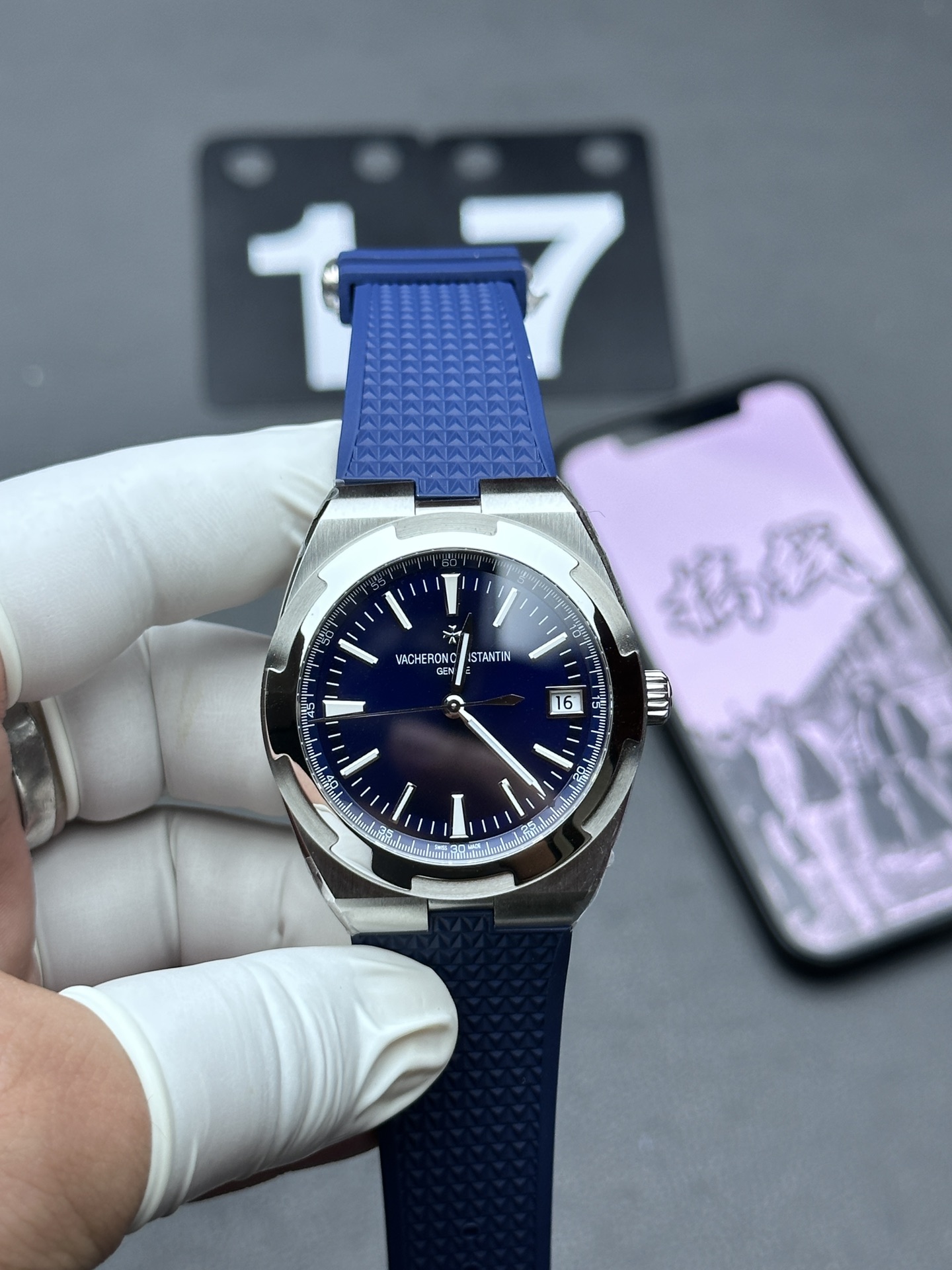
Daily use exposes the truth quickly. Thin cases, sharp transitions, and disciplined symmetry mean small errors become visible behaviors. Longevity, water resistance, and reliability emerge from how interfaces were seated, not from what a listing claims. Read this as a practical framework for inspection and acceptance, built around what consistently determines ownership outcomes.
Water Resistance Is a System Outcome, Not a Spec Sheet
Water resistance on VC replicas is not a feature you purchase. It is an outcome created by caseback torque consistency, crown tube sealing, sapphire gasket compression, and how those interfaces stack tolerances across the assembly. If any one interface drifts, ingress paths appear. The correct mental model treats every VC replica as splash-resistant only, with hand washing as the upper bound unless the watch has been independently pressure-tested.
This matters because VC cases are thin and visually unforgiving. There is little material margin to absorb assembly variance. When torque distribution or gasket seating deviates, the system does not fail quietly. It fails through crown feel changes, crystal edge seepage, or slow condensation after brief exposure.
Why VC Case Geometry Exposes Seal Errors Faster
VC case geometry amplifies small mistakes. Perimeter gaskets require uniform compression around a narrow footprint, and sapphire edges must seat cleanly into precisely referenced planes. Lug-to-case stress paths concentrate force during strap changes, subtly shifting gasket preload when fixtures are not perfectly concentric.
Even minor assembly drift becomes a leak path on VC layouts. Thin mid-cases and crisp bevels leave no room for uneven compression to hide. When dial geometry and alignment behavior already reveal micro-tilts, you should assume the sealing system is experiencing the same asymmetry.
Crown Interfaces as the Primary Failure Point
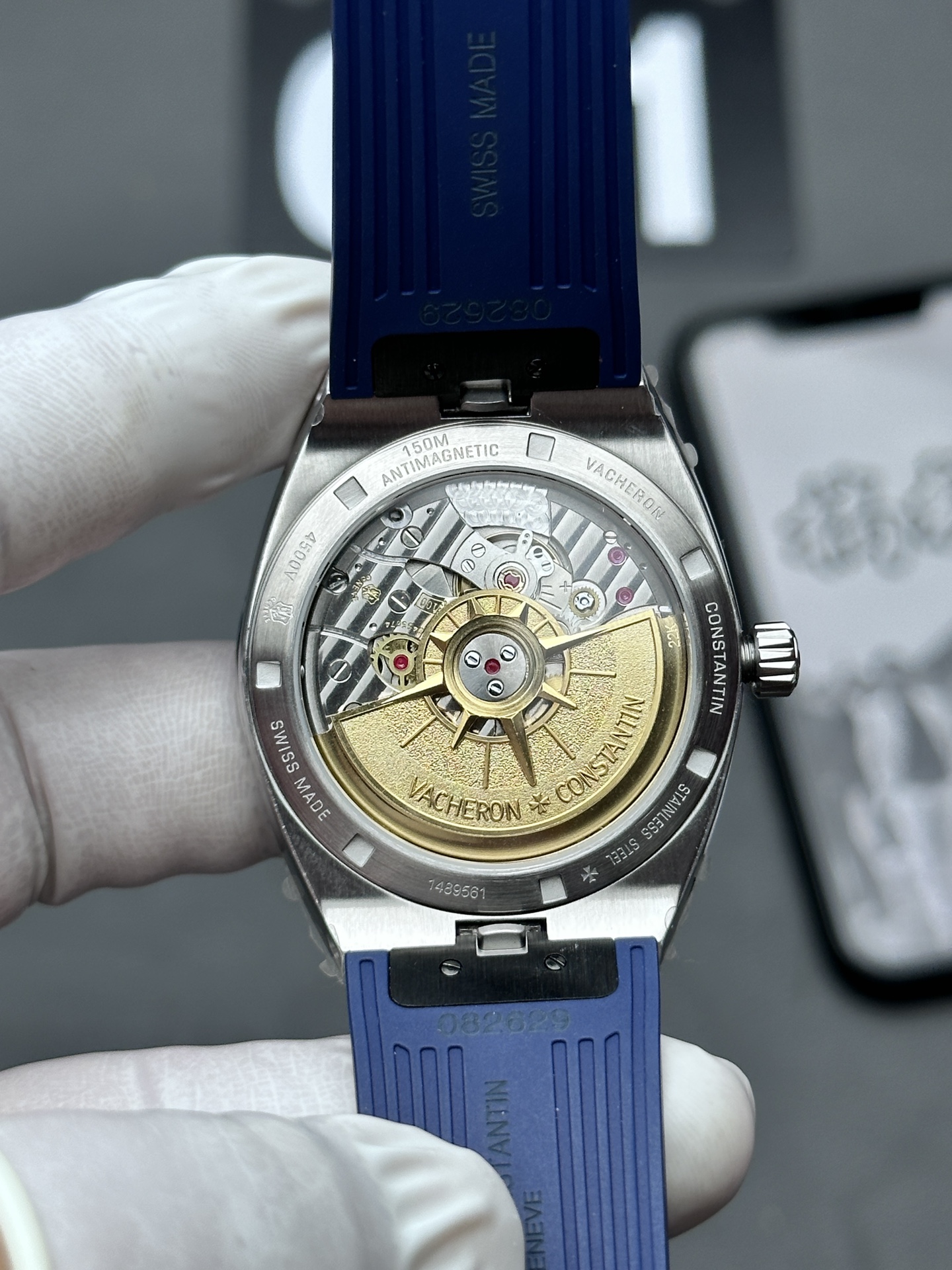
The crown system is the most common ingress vector. Stem alignment, tube concentricity, O-ring preload, and thread engagement symmetry must cooperate every time the crown is set. When they do not, tactile feedback changes before visual clues appear.
If crown feel is inconsistent, water resistance is already compromised. Rough entry, uneven resistance, or lateral drag during seating indicates misaligned threads or uneven O-ring compression. Those signals arrive early because the crown is the only interface you actively manipulate.
Practical Judgment Tip: Two-Stage Crown Resistance Test
Use a repeatable tactile diagnostic. Feel resistance as threads first engage, then compare it to resistance at the final seat. Both stages should feel centered and progressive, without sideways pull.
Asymmetry predicts seal misalignment even if visuals look acceptable. If resistance spikes unevenly or the crown tracks off-axis during the last turn, assume compromised sealing and restrict exposure accordingly.
Service Life Depends on Assembly Discipline, Not Movement Branding
Longevity follows build quality, not the name etched on a rotor. Fixture accuracy, hand clearance margins, calendar couplings, and debris control decide whether wear accumulates quietly or accelerates. In guangzhou replica watch production, identical parts can produce radically different outcomes because systems differ.
Use life expectancy as a proxy for assembly quality. Geometry governs wear, and geometry emerges from how planes were referenced and stacks were set. When those fundamentals are right, even modest movements run for years. When they are wrong, premium components cannot save the watch.
How Hand Stack Tolerance Sets Wear Trajectories
Vertical clearances across seconds, minute, and hour hands define early contact risk. Dial-to-hand spacing must preserve margin under shock and temperature change. When stacks are tight, microscopic collisions begin long before they become audible.
Tight stacks shorten service life regardless of movement origin. Early contact sheds particles, increases friction, and forces compensating torque through the train. You feel it later as stiff setting and erratic calendar behavior, but the wear started at assembly.
Calendar Drag as an Upstream Assembly Signal
Calendar stiffness rarely originates at the date wheel itself. It reflects jumper spring preload, dial seating flatness, and how squarely the calendar plane meets the movement. When these planes disagree, friction rises and timing windows widen.
Rough calendar changes indicate misalignment upstream — the symptom is not a weak spring but a system that was never coaxial to begin with, a systemic exposure pathway especially pronounced in sport geometry builds as discussed in the Overseas super-clone maintenance and daily use: how sport geometry accelerates system exposure analysis.
Practical Judgment Tip: Midnight Rollover Observation
Observe the start time, smoothness, and completion window of the date change. A healthy system begins decisively, transitions without chatter, and completes within a tight window.
Delayed or jerky rollovers predict accelerated wear. If the change hesitates or drags across a long interval, assume compounded tolerance and expect earlier service intervention.
If you accept one rule, accept this: pass the three signals—center alignment, crown feel consistency, and hand stack tolerance—or decline the piece.
Movement “Upgrades” Do Not Correct Geometric Faults
Replacing a movement feels decisive, but it rarely addresses the problems that actually govern ownership outcomes. Dial feet alignment, stem axis persistence, and calendar geometry coupling live upstream of the movement itself. When those interfaces were set off-axis during assembly, a new movement simply inherits the same misreferences.
The practical consequence is predictable. Center drift, uneven hand clearance, and calendar drag survive component swaps because the case and dial planes remain unchanged. This is why system behavior matters more than any internal branding: geometry dominates performance, and geometry is baked in at assembly.
Why Center Axis Offset Survives Component Swaps
Center axis errors persist because they originate in case drilling tolerances and movement ring eccentricity. Once the case bore is slightly off, every subsequent component references that same error. A different movement cannot re-center a hole that was never concentric.
Geometry errors propagate across upgrades. You may see temporary improvements in amplitude or setting smoothness, but alignment behavior remains compromised. The visual symptom often returns as minute-track asymmetry or a date window that never quite sits square, regardless of what now spins underneath.
Hand Height Conflicts After “Better” Movements
New movements frequently introduce new interference. Pinion heights rarely match the dial thickness and hand stack that were set for the original build. Even small deviations alter vertical clearances across seconds, minutes, and hours.
Upgrades can worsen hand clearance. What begins as a smoother wind ends as intermittent contact under shock or temperature change. The watch feels improved at first, then develops creeping minutes, inconsistent setting feel, or early wear because the stack no longer lives within its original margins.
Practical Judgment Tip: Setting Feel Before Any Modification
Before changing anything, evaluate behavior. Feel for backlash during setting, observe crown return consistency after engagement, and watch for minute-hand creep when reversing direction.
If behavior already fails, upgrades won’t fix root causes. These signals tell you the geometry is compromised upstream. Treat them as a stop gate, not an invitation to replace parts.
QC That Matters: From Visual Symmetry to System Behavior
Cosmetic checks miss what determines ownership. Center alignment, dial plane flatness, and crown engagement symmetry predict outcomes far better than polished edges or crisp printing. Behavioral QC reveals whether the assembly functions as a system.
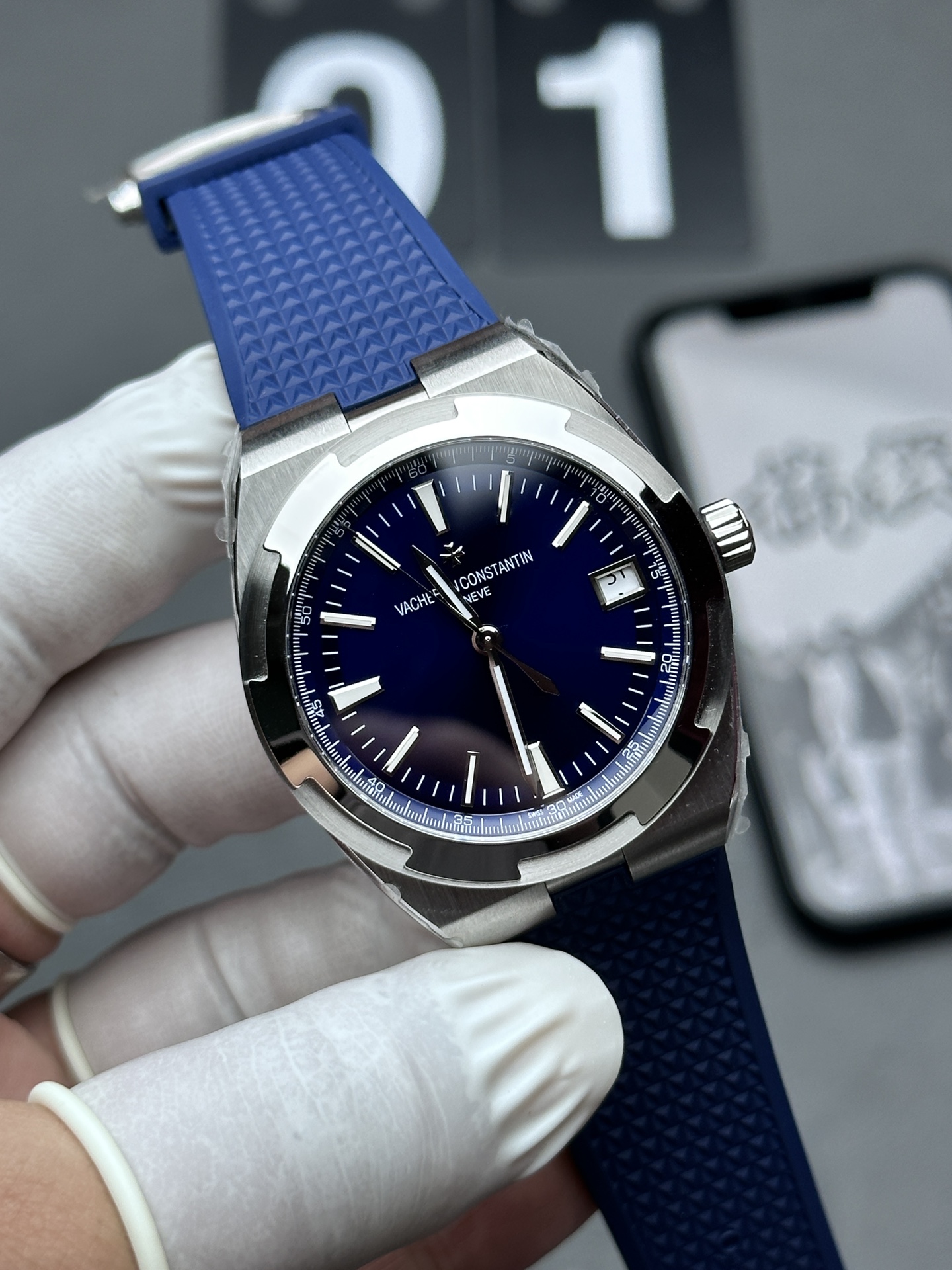
Surface finish can be corrected after the fact. System behavior cannot. Watches that pass functional diagnostics age predictably, while visually perfect pieces with poor alignment drift into problems quickly.
Reading Dial Geometry as a Process Map
The dial is a map of the fixture. Minute track radial consistency and applied index spacing expose how accurately the assembly referenced its center. Compare distances at opposing points and look for pattern, not perfection.
Uneven quadrants imply center displacement, and when 12 and 6 differ from 3 and 9 you are seeing the footprint of misaligned clamping or tilted planes that reverberates through hands, calendar, and crown, a tolerance cascade logic intrinsic to how geometry, rework rate, and assembly discipline create cost in Overseas replica price bands and value logic.
Crown Feel as an Early Warning Signal
Tactile feedback deserves priority. Thread engagement symmetry and axial drag reveal whether the stem and tube share a common axis. The crown tells you about alignment long before moisture or wear makes the case.
Inconsistent feel predicts future seating drift. If resistance varies across turns or the crown pulls sideways into its seat, assume compounded tolerance and expect downstream issues even if the dial still looks clean.
Practical Judgment Tip: Three-Point Alignment Check (12/3/6/9)
Use a fast field method. Compare minute track distances at the cardinal points—12, 3, 6, and 9—by eye under steady light.
Quadrant variance exposes center-axis offset. When any pair diverges, you are observing a system-level error. Treat that result as decisive, because behavior follows geometry, not appearances.
Configuration Risk: How Color, Finish, and Functions Multiply Exposure
Not all configurations fail at the same rate. Certain combinations amplify tolerance errors through contrast sensitivity, reflective surfaces, and stacked interfaces, turning small assembly drift into obvious behavior. This is why two watches from the same batch can age differently on the wrist: system behavior responds to configuration, not origin.
The practical takeaway is simple. Some builds surface errors faster regardless of factory. When contrast rises, reflections sharpen, or functions stack, the system loses its ability to visually absorb misalignment, and ownership becomes a continuous inspection exercise rather than a quiet wearing experience.
High-Contrast Dials as Manufacturing Stress Tests
Deep colors act like optical accelerants. Sunburst finishes scatter light across micro-tilts, while applied indices cast directional shadows that exaggerate even slight center displacement. Glossy blacks behave similarly, turning dial geometry into a mirror that reports every deviation.
Deep blues and glossy blacks magnify misalignment. What reads as acceptable on matte silver becomes intrusive on reflective surfaces. This is not about taste. It is about how contrast converts fractional offsets into persistent visual noise that follows you through every lighting condition.
Function Stacking and Tolerance Accumulation
Each added function introduces another interface. Date wheels add friction planes, moonphases introduce depth layers, and every additional hand consumes vertical clearance. These layers compound, not average out.
More functions equals more visible error. Hand stack tolerance shrinks, calendar couplings become sensitive to plane mismatch, and small deviations propagate across the system. Even when each subsystem is “within spec,” their interaction often is not.
Practical Judgment Tip: Strap Rotation Test
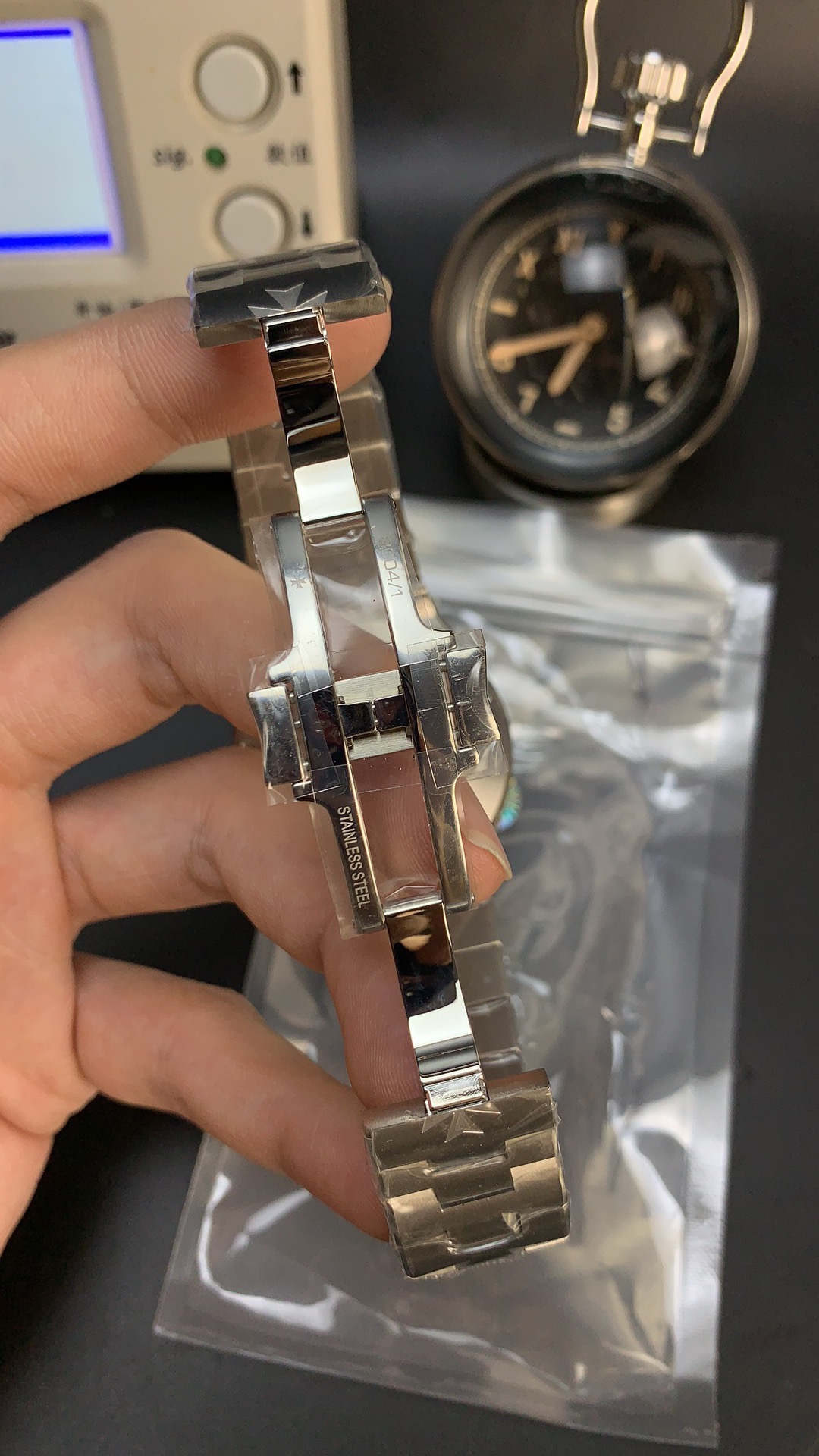
Rotate the watch across steel, rubber, and leather, and observe alignment behavior after each change. Different straps load lugs and case flanks differently, subtly revealing distortions that remain hidden when a single bracelet masks stress paths.
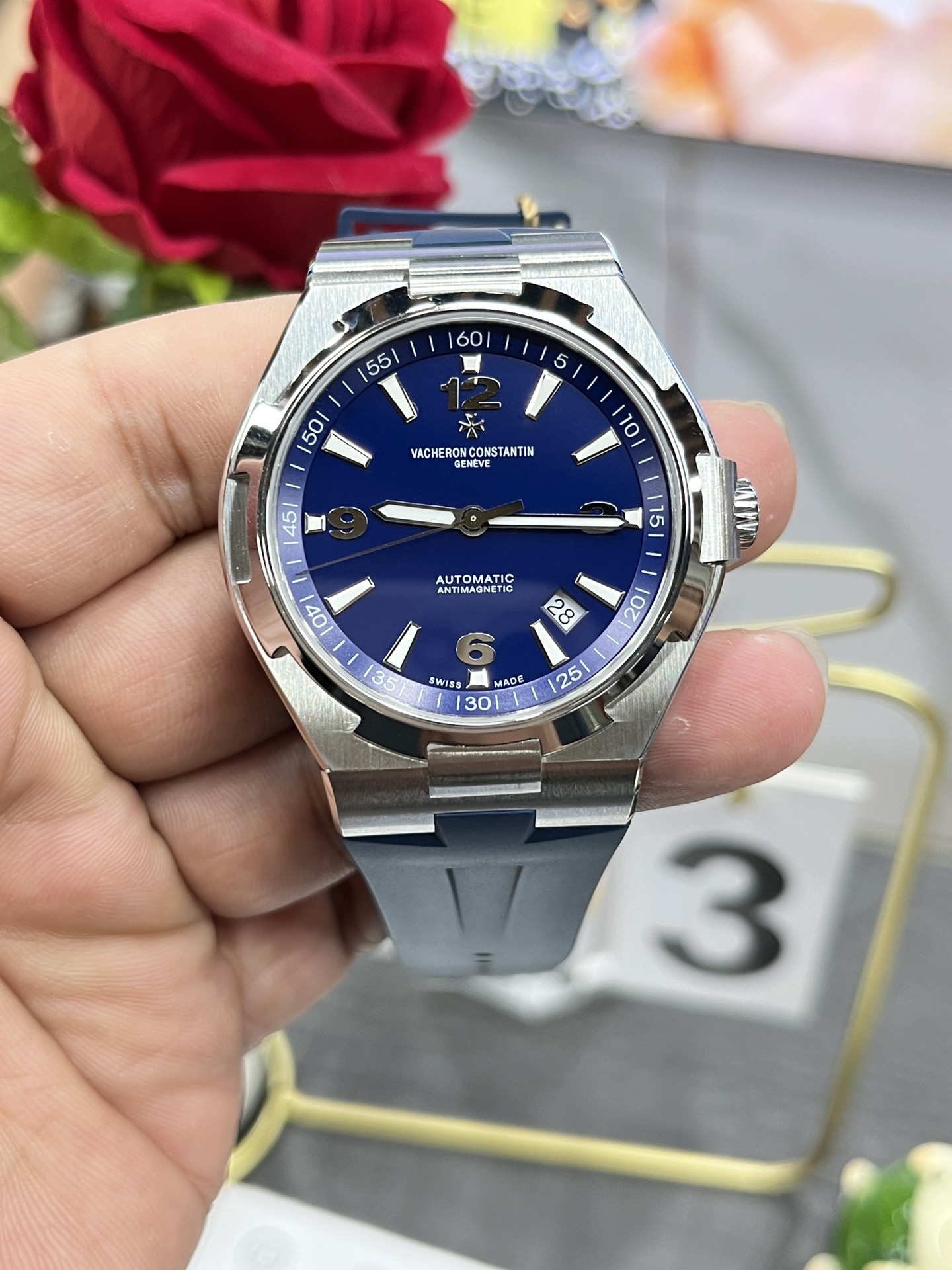
If alignment changes, the issue is systemic. True geometry remains stable across straps. When minute track centering or bezel symmetry shifts with strap choice, you are seeing case-level variance amplified by configuration.
Why Guangzhou Output Stratifies by Execution, Not Parts
Variation in guangzhou replica watch production is rooted in process control. Fixture accuracy, assembly sequencing, and cumulative tolerance determine outcomes long before components enter the picture. Identical materials can produce radically different watches because systems differ.
Results diverge sharply because execution varies, not because parts do. When planes are referenced consistently and stacks are built in the correct order, watches behave predictably. When those steps drift, defects emerge regardless of what sits on the bill of materials.
Sequencing Errors and Their Surface Signatures
Process order leaves fingerprints. Seating the bezel before dialing in plane level introduces tilt that later steps cannot undo. Installing the crown before confirming stem alignment locks in eccentricity that shows up as uneven engagement and early wear.
Surface flaws are downstream of sequence mistakes. Bezel asymmetry, off-square date windows, and inconsistent crown feel rarely originate where they appear. They trace back to earlier steps that fixed reference planes prematurely.
Fixture Discipline as the Hidden Differentiator
Repeatability depends on how parts are held. Concentric clamping ensures the movement references the case center, while proper plane referencing keeps the dial perpendicular to the stem axis. Without those controls, every subsequent adjustment becomes compensatory.
Tight fixtures produce stable outcomes. Loose or improvised holding introduces micro-rotations that accumulate across steps, turning acceptable components into unstable assemblies. This is where system assembly discipline quietly decides ownership quality.
Practical Judgment Tip: Bezel-to-Dial Parallelism Check
Rotate the watch under a steady light source and sweep reflections across the bezel while watching the dial plane—uniform reflections indicate parallel planes; uneven bands reveal tilt, a visual alignment inspection technique grounded in the dimensional evaluation criteria found in the Vacheron Constantin Overseas replica guide with geometry-based inspection methods.
Non-uniform reflections indicate plane errors. Treat this as a decisive signal, because plane mismatch propagates into hand clearance, crown engagement, and calendar alignment long after cosmetic touch-ups are complete.
Buyer Reality Check: Swimming, Longevity, QC Priorities
Ownership decisions collapse quickly into three signals: center alignment, crown feel, and hand clearance. These outperform any spec list because they reflect system behavior, not claims. If a vacheron constantin super clone passes all three, daily wear becomes predictable; if it fails any one, problems surface early regardless of finish quality.
This framework simplifies acceptance. Center alignment tells you whether planes were referenced correctly. Crown feel reports stem and tube symmetry. Hand clearance reveals whether vertical geometry was set with margin. Together they expose assembly discipline in minutes, while cosmetic checks can mislead for months.
Can I Swim?
Dynamic pressure exploits weak paths. Water enters through crowns under axial load, through crystal edges when gasket compression is uneven, and through casebacks when torque distribution varies across threads. These pathways open under motion, not in still air.
Hand washing only unless independently tested. Treat every piece as splash-resistant by default, because even brief immersion magnifies tiny asymmetries into active ingress. If the crown does not seat symmetrically or the crystal plane is not parallel, pressure finds its way in long before condensation becomes visible.
How Long Will It Last?
Lifespan follows geometry. Early hand contact sheds debris that migrates into the train. Calendar drag increases torque demand and widens engagement windows. Both accelerate wear when stacks are tight or planes disagree.
Assembly quality determines longevity. Watches with generous hand stack tolerance and square calendar planes age quietly; those built on marginal clearances develop creeping minutes, rough setting, and intermittent date behavior. Time does not create these problems. Geometry does.
What QC Actually Matters?
Prioritize diagnostics that reflect structure. Check center axis alignment across the dial, evaluate crown symmetry through tactile feedback, and confirm clearance margins by observing hand behavior under direction changes. These reveal whether the system was built concentrically.
Behavior beats appearance. A flawless bezel cannot compensate for off-axis stem engagement, and perfect printing does not rescue a tight hand stack. Functional signals predict ownership outcomes far better than surface finish ever will.
Practical Judgment Tip: The Three-Signal Method
Use a final acceptance gate. First, verify center alignment by comparing minute track distances at opposing points. Second, assess crown feel for progressive, centered engagement without lateral drag. Third, test hand clearance by reversing setting direction and watching for minute-hand creep or hesitation.
Pass all three or decline the piece. When any signal fails, you are seeing compounded tolerance that will surface again during wear. The decision is yours, but the geometry has already spoken.