
Cleanvsfactory Super Clone Aquatimer Catalog


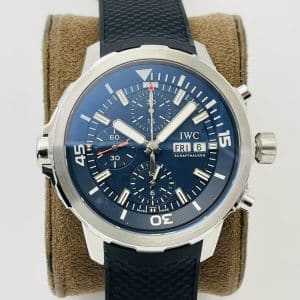
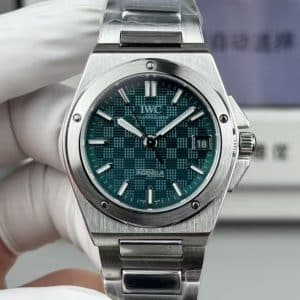
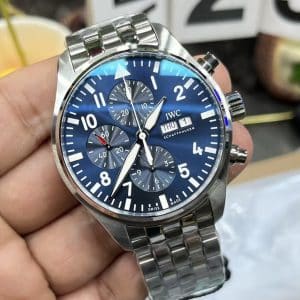
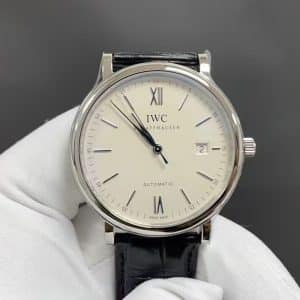
IWC Aquatimer Replicas: What Works, What Doesn’t, and Why
Most replica buyers approach IWC Aquatimer watches expecting something that “looks like a dive watch.” That’s too shallow a benchmark. A true dive-watch design, especially one in the Aquatimer family, is defined by functional behavior under real conditions — rotating bezels you can actually grip, reliable timing scales you can use underwater, and a case/bracelet system that feels secure when wet. Many replicas brag about colors and fonts, few successfully replicate functional intent. This article tells you what distinction actually matters.
Below the surface, Aquatimer models are not just aesthetic variants. They represent specific mechanical intentions: external rotating bezels with precise clicks, internal/external combined timing systems, and actual water resistance mechanics. This is why some Aquatimer replicas feel like inert ornaments with no real depth of behavior — and why a handful of others survive everyday use.
Why Aquatimer Is a Tougher Replica Category Than It Looks
On most sites you’ll see “dive watch replica” and think that means stamped indices, a rotating bezel, and some lume. IWC Aquatimer doesn’t play by those shallow rules.
Real dive-watch functionality — even in replicas — is judged by:
-
Bezel usability — Does it rotate with accurate detents? Is it comfortable to grip when wet?
-
Elapsed timing clarity — Are the minute markers pure, legible, and aligned?
-
Case ergonomics under water — Does the case refuse to bite the wrist when saturated?
-
Bracelet/strap behavior when wet — Does it expand, slip, or stay stable?
-
Functional rather than decorative bezels — Many replicas print scales that look right but do not behave right.
Aquatimer designs use a mix of external and internal bezels — these were intended for underwater timing and should not feel decorative.
What Real Dive Behavior Actually Feels Like
An Aquatimer’s bezel should feel crisp and purposeful. The original IWC design uses either:
-
A traditional external bezel with precise clicks, or
-
A rotating inner timing scale operated via a secondary crown.
A replica that simply spins loosely or lacks defined detents may look good in photos, but will feel cheap in-hand and fail to convey the timing confidence divers expect. Because of this, only a few factories have consistently tackled bezel mechanics with enough intention to matter.
Replicas that handle this with discipline let you feel the click, and that matters far more than how the logo is printed.
Aquatimer 2000 and 300M: Functional Replica Reality
Why These Models Matter
The Aquatimer 2000 and the 300M-rated versions are compact enough for daily use, but still built around functional dive cues. A good replica in this category must:
-
Resist water intrusion during sweaty wear
-
Feature a bezel or timing ring that rotates with purposeful resistance
-
Maintain dial and numerals that stay legible at various angles and distances
There’s no shortcut here: weak bezels and poor water behavior are immediately obvious after a few days.
What Actually Works
A handful of replicas — typically from mid-tier factories that understand the mechanical context — deliver:
-
Bezel mechanics that click sharply (not just spin freely).
-
Integrated crown guards that feel like they were designed to match the case integrity, not added as an afterthought.
-
Bracelet/strap designs that tolerate moisture without pinching skin or slipping.
Poor replicas tend to feature loose bezels, sloppy crown threads, cheap straps that soften into rubber bands after one use, and lume that dies before first light is gone.
Aquatimer Chronograph: Complexity That Survives Use
Diving chronographs — the ones with elapsed minutes and hours — are a different challenge entirely.
This isn’t about shape, it’s about behaviors:
-
Start/Stop/Reset buttons must operate crisply under water (or at least feel mechanical when wet).
-
Chronograph sub-dials must have legible scales.
-
The bezel timing system must interact with elapsed time in a consistent, readable way.
A chronograph that only pretends to function — where pushers feel mushy or the minute/hour counters don’t align — is immediately revealed in use. Many replicas fall into this trap because it’s easier to copy the look than the tactile function.
Good replicas in this space use movements where the chronograph functions operate normally — meaning the buttons feel purposeful and the sub-dials track time incrementally as intended, not just as decoration.
What Replica Factories Actually Get Right (and Wrong)
Proven Strength Areas
-
Dial typography and applied indices: Many replicas nail the fonts and case shape so well that superficial comparison doesn’t reveal errors.
-
Case finishing: The brushed/polished transitions on many Aquatimer replicas are strong if the factory invested in proper tooling.
-
Strap and bracelet quality: Some mid-level factories understand water exposure and produce straps that remain stable when wet.
Weakness Areas That Smart Buyers Notice Quickly
-
Bezel play: The lack of solid clicks or precise resistance is a telltale sign of a superficial replica.
-
Functional crowns: Crown tubes that feel loose or tend to snag on skin are a common flaw.
-
Chronograph pushers: If they feel spongy or unresponsive, that’s not a minor detail — it ruins the mechanical intent of the watch.
-
Lume survival: Cheap lume that fades quickly indicates cut corners in practical usability.
These are not nitpicks — they are behaviors you encounter before lunch on day one.
Functional Judgment: How to Tell a Good Aquatimer Replica
When the watch is on your wrist:
-
Do you feel the bezel clicks under your thumb?
-
Does the crown thread confidently with resistance and no slop?
-
Do the chronograph pushers operate crisply without mush?
-
Does the case feel balanced, even when wet or after repeated wear?
-
Does the strap/bracelet stay stable under moisture or sweat?
If the answer to most of these is no, it isn’t an IWC Aquatimer replica — it’s a costume-watch.
Quick Comparison Table: What Matters Most
| Feature | Functional Intent | What Good Replicas Deliver | What Weak Replicas Do |
|---|---|---|---|
| Bezel Mechanics | Crisp clicks, predictable resistance | Strong detents, precise feel | Loose spin, weak or inconsistent clicks |
| Timing Scale | Readable and usable markings | Sharp printing, accurate alignments | Blurry or shallow printing |
| Crown Behavior | Positive threading, secure feel | Firm, no wiggle | Loose, soft teeth |
| Chronograph Function | Tactile buttons, accurate tracking | Clean response, incremental timing | Spongy buttons, misaligned sub-dials |
| Strap / Bracelet | Stability when wet | Tight holds, resilient materials | Expands/softens, slides |
Real Decisions Come Down to Behavior Under Wear
An IWC Aquatimer replica is not meant to be a shelf showpiece — it’s a tool design. The watches that succeed in this space are the ones where functional cues work, not just look good. If you can’t feel the bezel, if the crown feels sloppy, or if pushers fail to deliver a satisfying click, those aren’t just cosmetic missteps — they’re failures of design intent.
In the Aquatimer category, behavior matters more than specs, and only a few replicas actually demonstrate the mechanical coherence the original design calls for. That’s the distinction experienced owners recognize — and what should guide your choices.